
Chiltern Railways HVO Fleet: Sustainable Rail Innovation in UK
Chiltern Railways to introduce 13 HVO-powered trains in 2026, boosting UK rail sustainability.
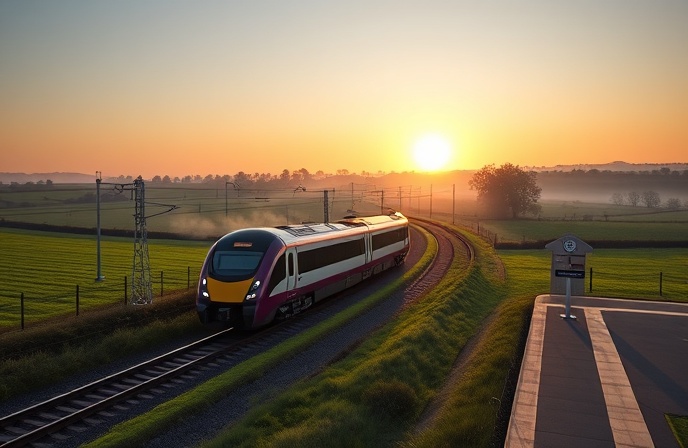
Chiltern Railways to Usher in Greener Era with HVO-Powered Fleet
In a significant move towards sustainable rail travel, Chiltern Railways, part of the Arriva Group, has announced the introduction of 13 new modern train sets fueled by Hydrotreated Vegetable Oil (HVO) from 2026. The initiative, approved by the UK Department for Transport (DfT), will see the new fleet operating on routes connecting London, Buckinghamshire, Oxfordshire, and the West Midlands. This strategic investment, announced on August 6, 2025, aligns with Arriva’s wider decarbonisation goals and promises a significant enhancement in passenger experience. The primary drivers for this transition are threefold: to modernize aging infrastructure, improve passenger comfort, and dramatically reduce emissions. This article will explore the key features of the new fleet, the benefits of HVO fuel, and the broader implications of this announcement for the future of sustainable rail transport in the UK.
Rolling Out the Green Initiative
The heart of this transition lies in the adoption of HVO fuel, a renewable alternative made from vegetable oils and recycled materials. The 13 new train sets will replace the oldest trains currently in Chiltern Railways’ fleet, entering service in phases beginning in 2026. The introduction of the new trains will pave the way for the introduction of additional services from late 2026, subject to timetable approvals. The new rolling stock, leased from Beacon Trains under a 10-year agreement supported by the DfT, offers substantial improvements over existing trains. The new trains will feature enhanced accessibility, modern seating, live information screens, quieter journeys, and dedicated storage for luggage and bicycles. These enhancements reflect Chiltern Railways’ commitment to passenger satisfaction and the broader aims of the DfT to modernize the UK railway network.
The Environmental Advantages of HVO
The choice of HVO as the primary fuel source underscores Arriva’s commitment to environmental sustainability. HVO is recognised for its ability to significantly reduce emissions on non-electrified lines, which are crucial for regions that are not electrified. Chiltern Railways’ Class 68 locomotives will also use HVO. The company was the first UK passenger train operator to use HVO, starting in July 2023 when they began powering their Class 68 locomotives with the fuel. This pioneering approach sets a precedent for other operators and highlights the practical application of low-emission alternatives within the existing rail infrastructure. By embracing HVO, Chiltern Railways is actively contributing to reducing the carbon footprint of its operations and supporting the UK’s broader environmental objectives.
Modernization and Enhanced Passenger Experience
Beyond its environmental benefits, the new fleet promises significant upgrades in passenger experience. The modern trains are designed with enhanced accessibility features, improved seating, and live information screens, providing a more comfortable and informative travel experience. The inclusion of dedicated storage space for luggage and cycles caters to the growing needs of modern travelers. The improved accessibility features ensure that passengers with mobility challenges can travel with ease, further illustrating Chiltern’s commitment to inclusivity and customer satisfaction. These advancements reflect Chiltern Railways’ 2030 Vision, which prioritizes modernization and decarbonisation, creating a greener and more accessible travel experience.
Strategic Partnerships and Future Plans
The project is backed by strong collaboration, including the DfT, Network Rail, and Beacon Trains, showcasing a joined effort to improve the nation’s railway system. The partnership with the DfT provides financial support and facilitates regulatory approvals, ensuring the success of the project. Arriva is actively exploring additional partnerships across the UK and Europe to provide lower-emission services through alternative fuels, electrification, battery-hybrid, and fully electric vehicles, strengthening its commitment to sustainable passenger transport. Looking forward, Chiltern Railways will continue to collaborate with the DfT and partners to replace its oldest diesel trains and progress electrification projects, further reinforcing its commitment to reducing emissions.
Conclusion
The introduction of 13 new HVO-powered train sets by Chiltern Railways marks a pivotal moment in the journey toward sustainable rail transport. This initiative, a key part of the Arriva Group’s decarbonisation strategy, not only underscores a commitment to reducing emissions but also delivers significant improvements to the passenger experience. By embracing renewable fuel technology and focusing on modernizing its fleet, Chiltern Railways is setting a benchmark for other operators and demonstrating the feasibility of greener rail operations. This project is more than just a fleet upgrade; it is a strategic investment in a more sustainable and passenger-focused future for rail travel. The collaboration between Chiltern Railways, the DfT, and its partners offers a model for how the rail industry can achieve ambitious environmental goals while enhancing service quality.
RELATED POSTS

September 12, 2025 7:49 pm
FS Logistix forms Modalink joint venture, managing Antwerp Mainhub rail...

December 27, 2019 11:07 am
This article explores the advancements in Automatic Train Operation (ATO)...
February 22, 2020 11:03 pm
This article delves into the significant infrastructure development underway in...

March 5, 2009 7:34 am
The Government of Canada has unveiled plans about $350m for the...

June 9, 2025 4:01 pm
Stadler expands Polish engineering, opening a Poznań office. New...
September 6, 2025 12:01 pm
AI integration in GB rail explored in upcoming RSSB webinar,...