
Cheaper UK Rail Electrification: A 50% Cost Cut?
Slash railway electrification costs by up to 50%! Discover how innovative technologies and streamlined processes are revolutionizing UK rail modernization.
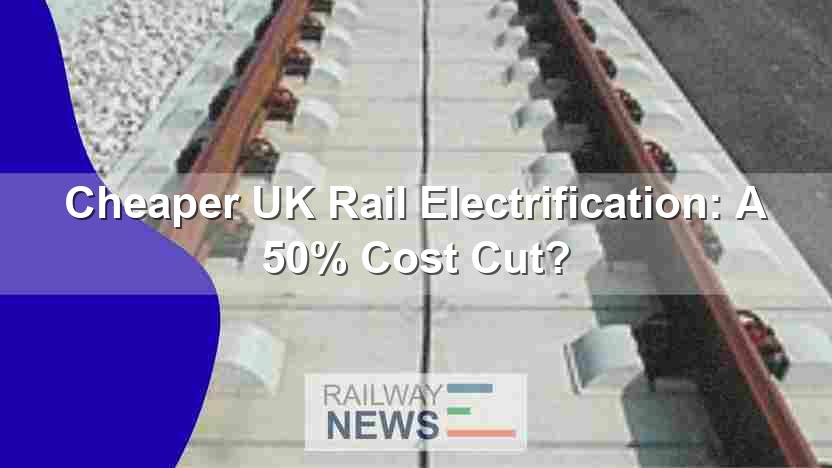
This article explores the significant potential for reducing the costs associated with railway electrification in the United Kingdom. The Railway Industry Association (RIA) has published a report indicating that electrification projects can be delivered at costs 33%-50% lower than previous undertakings. This dramatic cost reduction is achievable through a combination of factors, including improved project management, streamlined procurement processes, and the adoption of innovative technologies. The implications of this finding are substantial, impacting not only the financial feasibility of large-scale electrification programs but also the UK’s broader decarbonization goals and the overall efficiency and reliability of the national rail network. This analysis will delve into the key factors contributing to this cost reduction potential, examining the historical context, the role of technology, and the strategic implications for the future of UK rail infrastructure.
Technological Advancements and Optimized Procurement
Significant advancements in electrification technology have made it possible to reduce both initial capital expenditure and long-term maintenance costs. New designs for overhead line equipment (OLE) and substations, along with more efficient power management systems, are contributing to these savings. Additionally, the implementation of improved project management methodologies and streamlined procurement processes has minimized delays and cost overruns, a common issue in previous large-scale infrastructure projects. This includes utilizing standardized designs where feasible and fostering stronger collaboration between Network Rail and private sector contractors. A competitive bidding environment, coupled with clear project specifications, can further drive down costs.
The Importance of a Rolling Programme
The RIA report emphasizes the importance of a continuous, rolling program of electrification works. Maintaining a consistent workflow allows for economies of scale, optimized resource allocation, and the development of specialized expertise within the industry. This contrasts with the previous approach of implementing projects in a piecemeal fashion, which often led to inefficiencies and higher overall costs. A long-term strategy allows for better planning, enabling the industry to develop standardized processes, negotiate bulk purchases of materials, and foster a more skilled workforce leading to greater efficiency and reduced errors.
Environmental and Operational Benefits
Beyond the cost savings, railway electrification offers substantial environmental and operational benefits. Electrification significantly reduces carbon emissions, contributing to the UK’s commitment to decarbonizing its transport sector. Electric trains are also quieter and produce less local air pollution than diesel trains, improving the quality of life for communities near railway lines. Additionally, electric trains generally exhibit higher reliability, leading to fewer service disruptions and delays, enhancing passenger satisfaction and operational efficiency. The reduction in maintenance needs associated with electric traction also translates to considerable long-term savings.
Strategic Implications and Future Outlook
The potential for halving the cost of railway electrification presents a compelling case for accelerating the modernization of the UK’s rail network. This cost reduction, coupled with the environmental and operational advantages, makes electrification a financially and strategically sound investment. The success of such a program hinges on continued collaboration between the government, Network Rail, and the railway industry. A commitment to a rolling program, coupled with investment in research and development of new technologies and a focus on streamlined project management, will be crucial for realizing the full potential of this opportunity. Investing in a skilled workforce equipped with the expertise to manage these large-scale projects will be equally critical to success. The government’s commitment to decarbonizing the rail network by 2040 underscores the urgency and importance of adopting this cost-effective approach. A detailed approach encompassing technological innovation, efficient project management, and sustained investment will not only achieve cost savings but will also propel the UK towards a more sustainable and efficient railway system. The potential benefits extend beyond financial considerations; they encompass environmental protection, improved passenger experience, and increased operational efficiency. This presents a significant opportunity to modernize the UK’s railway infrastructure effectively and sustainably, setting a precedent for future large-scale infrastructure projects. By embracing the findings of the RIA report and implementing the recommended strategies, the UK can achieve significant progress toward a cleaner, more efficient, and cost-effective railway system for the benefit of its citizens and the economy.

Railway infrastructure, rolling stock and transport technologies specialist focused on global rail industry developments, high-speed rail systems, signaling technologies and freight transportation. Covering railway investments, public transport modernization, rail operations and international mobility projects across Europe, Asia and North America.
RELATED POSTS

October 8, 2026 1:15 pm
Alstom secured a €1bn contract to build 13 automated trains,...

October 1, 2026 7:09 am
United States regulators confirmed a September 30 deadline for the...

October 8, 2026 12:18 pm
Siemens Mobility signed an agreement with VinSpeed to supply 350...

October 4, 2026 5:14 pm
Alstom secured a CA$4.7 billion order from VIA Rail Canada...

October 5, 2026 6:12 pm
AECOM and Jacobs secured a contract in September 2026 to...

October 1, 2026 12:13 am
Illinois approved $1.5 billion annually for the Northern Illinois Transit...