
Caltrain Electrification: EMU Testing Complete
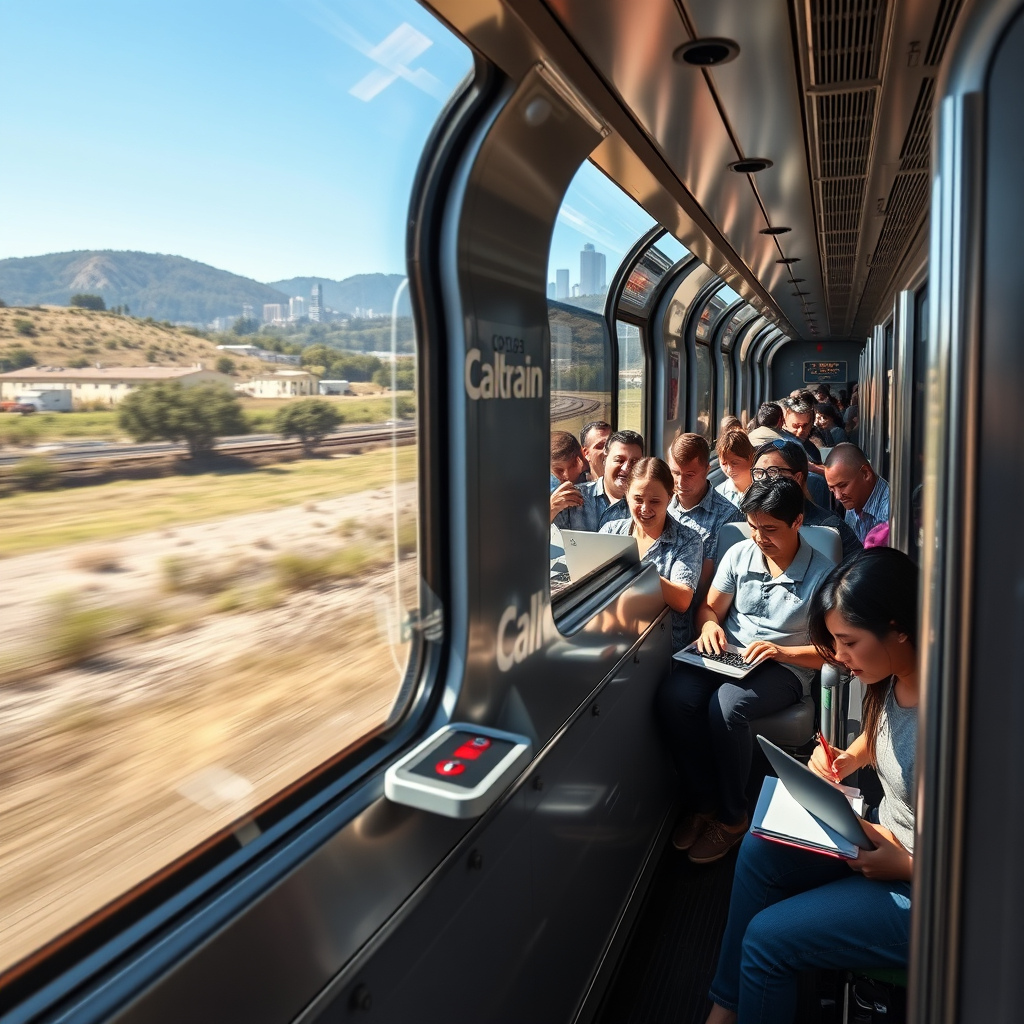
Electrification and Modernization of the Caltrain System: A Comprehensive Overview
This article delves into the significant advancements occurring within the Caltrain (California Train) system, focusing on the recent completion of extensive testing on its new electric multiple unit (EMU) fleet. The introduction of these electric trains marks a pivotal moment in Caltrain’s history, representing a substantial upgrade to its infrastructure and a commitment to improving passenger experience and operational efficiency. The transition from diesel to electric propulsion is not simply a technological shift; it’s a multifaceted undertaking encompassing rigorous testing protocols to ensure safety and reliability, significant increases in service frequency and capacity, and the integration of advanced passenger amenities. This article will examine the testing phase, the projected service enhancements, and the broader implications of this electrification project for the Caltrain corridor and its commuters. We will also explore the financial aspects and the long-term vision for this critical transportation artery in the heart of California.
Rigorous Testing and Safety Protocols
Three of Caltrain’s 23 new Stadler-built EMUs (Electric Multiple Units) have successfully completed over 1,000 miles of testing along the 48-mile corridor between San Francisco’s 4th and King Station and San Jose Diridon Station. This rigorous testing phase is paramount to ensuring the safety and reliability of the new fleet before passenger service commences in Q4 2024. The tests encompass various operational scenarios, evaluating performance under diverse conditions and rigorously examining all safety systems. This meticulous approach underscores Caltrain’s unwavering commitment to passenger safety, a cornerstone of its operational philosophy. The presence of six train sets at the site, with the remaining units scheduled for delivery throughout the year, highlights the scale of this ambitious modernization project.
Enhanced Service Frequency and Capacity
The electrification of the Caltrain system is poised to dramatically enhance service frequency and capacity, significantly improving the overall commuting experience. The projected increase in peak-hour service from 66 trains per hour to 79 trains per hour represents a substantial boost in capacity, aimed at alleviating overcrowding and reducing wait times. Furthermore, the expansion of service at midday, from 34 trains per hour to 44, will provide much-needed additional capacity for mid-day commuters and other users of the service. Eleven stations will also see an increase in service frequency from seven to four trains per hour, further demonstrating the system’s capacity expansion. This significant increase in service demonstrates the transformative potential of electrification and modern rolling stock.
Modern Passenger Amenities and Technological Integration
Beyond the operational improvements, the new EMUs incorporate several modern passenger amenities designed to enhance the overall travel experience. These include Wi-Fi connectivity, power outlets at every seat, onboard screens displaying real-time travel information, and enhanced storage capacity for luggage and personal belongings. These features align with Caltrain’s vision of providing a comfortable, efficient, and technologically advanced passenger service, reflecting the needs of modern commuters and the overall evolution of the railway experience.
Financial Investment and Future Outlook
The Caltrain electrification project received a substantial boost with a $367 million state aid grant in February 2023, highlighting the significant financial investment required for such a large-scale infrastructure modernization. This funding underscores the importance of this project to the state’s transportation infrastructure, emphasizing the broader economic benefits of improved rail transit. The successful completion of testing and the impending launch of the new EMUs signify a crucial milestone in this ongoing modernization effort, demonstrating the collaborative efforts of state agencies, Caltrain management, and Stadler, the train manufacturer, in bringing this vital project to fruition.
Conclusions
The successful completion of the initial testing phase for Caltrain’s new electric train fleet represents a momentous step toward a significantly improved and modernized rail system. The rigorous testing, exceeding 1,000 miles per EMU, emphasizes Caltrain’s unwavering dedication to safety and reliability. The anticipated service enhancements, including increased frequency and capacity during both peak and off-peak hours, promise to transform the commuting experience for thousands of passengers daily. The integration of modern passenger amenities such as Wi-Fi, power outlets, and improved information displays further elevates the quality of service. The substantial financial investment, supported by a significant state grant, underscores the project’s importance within the broader context of California’s transportation infrastructure development. The successful rollout of this new fleet will not only improve the daily commute for countless passengers but will also serve as a model for other railway modernization projects across the nation. The future of Caltrain looks bright, promising a more efficient, comfortable, and technologically advanced transit system for the years to come. This successful implementation is a testament to the collaborative efforts of engineers, policymakers, and the dedication of Caltrain staff to delivering a vastly improved transportation experience for the region.
RELATED POSTS

August 23, 2023 5:27 pm
The Landscape of Mergers and Acquisitions (M&A) in South and...

March 1, 2013 7:55 pm
AECOM Technical Services, a subsidiary of AECOM Technology, has won...

September 14, 2010 12:09 pm
China will sign a contract with Iran to build a...
November 6, 2020 1:18 pm
The Rise of Hydrogen-Powered Rail: A Technological and Economic Analysis...
January 22, 2026 7:39 am
Inland Port Dillon hits a record with a 33% surge...
April 24, 2025 3:04 pm
The California High-Speed Rail (HSR) project, a monumental undertaking aiming...