
California High-Speed Rail: Stantec’s $41M Merced-Madera Design
Stantec has been awarded a $41 million contract to engineer the Merced to Madera segment of California’s High-Speed Rail project, focusing on critical infrastructure design for an 33.9-mile extension connecting the Bay Area with Los Angeles, emphasizing precision in track alignment, bridge construction, and signaling systems to ensure efficient and safe high-speed rail operation.
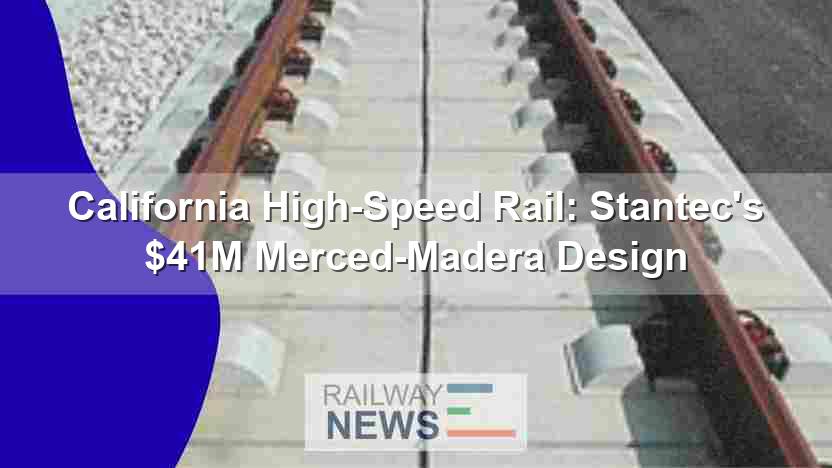
This article explores the significant expansion of the California High-Speed Rail (HSR) project, focusing on the recently awarded contract to Stantec for the design of the Merced to Madera segment. The project’s importance within the broader context of California’s transportation infrastructure and its economic implications will be examined. Further, we will delve into the engineering challenges associated with high-speed rail construction, the role of federal funding in facilitating such large-scale projects, and the broader impact of this development on the future of sustainable transportation in the United States. The article will also touch upon Stantec’s extensive experience in large-scale transportation infrastructure projects, highlighting their expertise and capacity to deliver on the ambitious goals of the CHSRA. This analysis aims to provide a detailed overview of the technical, financial, and societal aspects of this crucial undertaking.
Stantec’s Role in the California High-Speed Rail Project
Stantec, a global leader in design and consulting services, has secured a substantial $41 million contract from the California High-Speed Rail Authority (CHSRA) to engineer the crucial Merced to Madera segment of the California HSR project. This 33.9-mile extension, encompassing approximately 40 structures, represents a critical juncture in connecting the system’s planned 500-mile route between the Bay Area and Los Angeles. Stantec’s responsibilities extend beyond mere design; they include finalizing the project’s footprint, refining cost estimates, optimizing travel times, mapping right-of-way requirements, and managing utility relocations. This multifaceted approach underscores the complexities inherent in high-speed rail development.
Engineering Challenges and Solutions
Constructing high-speed rail lines presents unique engineering challenges. High speeds necessitate precise track alignment, robust infrastructure capable of withstanding extreme forces, and sophisticated signaling and control systems. The Merced to Madera segment is no exception, requiring meticulous attention to detail in areas such as:
- Track alignment and gradient design: Maintaining optimal curves and gradients is critical for high-speed operation, minimizing energy consumption and ensuring passenger comfort.
- Structural design of bridges and viaducts: These structures must withstand the stresses imposed by high-speed trains, requiring advanced materials and construction techniques.
- Tunnel engineering (if applicable): High-speed rail often necessitates tunnels, demanding sophisticated geotechnical investigation and robust tunnel boring machine (TBM) operations.
- Signaling and communication systems: Reliable and fail-safe signaling systems are indispensable for safe and efficient high-speed operations.
Stantec’s expertise in these areas is crucial for the successful completion of the project.
Funding and the Role of Federal Support
The magnitude of the California HSR project demands significant financial resources. The $41 million contract awarded to Stantec is just a portion of the overall project cost. The US Department of Transportation’s contribution of $25 million through the Rebuilding American Infrastructure with Sustainability and Equity (RAISE) discretionary grant program underscores the federal government’s commitment to supporting large-scale infrastructure development. This collaborative approach, combining state and federal funds, is essential for undertaking such ambitious endeavors. The RAISE grant program’s focus on sustainability and equity aligns with the overall goals of the HSR project.
Stantec’s Expertise and Track Record
Stantec’s selection as the lead designer for the Merced to Madera segment is a testament to their proven experience in managing complex transportation infrastructure projects. Their prior involvement with California High-Speed Rail’s Construction Package 2-3, alongside their leadership roles in projects like the Long Island Rail Road expansion and the Chicago Transit Authority’s Red and Purple Modernization Programme, demonstrates their capabilities in handling large-scale, technically demanding undertakings. Their consistent success in delivering projects on time and within budget enhances confidence in their ability to effectively manage this critical segment of the California HSR project. This established expertise ensures the successful integration of the Merced to Madera segment into the larger California High-Speed Rail network.
Conclusions
The Stantec contract for the design of the Merced to Madera segment marks a significant step forward in the realization of the California High-Speed Rail system. This $41 million project, partially funded by a $25 million RAISE grant from the US Department of Transportation, highlights the importance of both state and federal investment in critical infrastructure development. Stantec’s proven track record in managing complex transportation projects, including prior work on other sections of the HSR line and their involvement in significant projects across the US, assures a high level of competence in addressing the unique engineering challenges presented by this segment. The successful completion of this segment is critical to connecting the Bay Area and Los Angeles, improving travel times, and stimulating economic growth throughout California. The project’s emphasis on sustainability aligns with broader national efforts to transition towards environmentally conscious transportation solutions. The complexities of high-speed rail development, encompassing intricate track alignment, robust structural design, sophisticated signaling systems, and meticulous right-of-way management, necessitate a multidisciplinary approach that Stantec, with its demonstrated expertise, is well-equipped to handle. Ultimately, the project contributes not only to enhanced transportation efficiency within California but also serves as a model for future high-speed rail initiatives across the United States, showcasing the potential for sustainable and economically beneficial infrastructure investments.

Railway infrastructure, rolling stock and transport technologies specialist focused on global rail industry developments, high-speed rail systems, signaling technologies and freight transportation. Covering railway investments, public transport modernization, rail operations and international mobility projects across Europe, Asia and North America.
RELATED POSTS
June 2, 2026 8:44 am
⚡ In Brief: The UK Office of Rail and Road...
June 2, 2026 10:31 am
⚡ In Brief: The UK’s Office of Rail and Road...
June 2, 2026 11:37 am
⚡ In Brief: The UK’s Office of Rail and Road...

June 1, 2026 6:57 pm
Amtrak confirmed the delivery of its first Airo trainset for...
June 1, 2026 2:56 pm
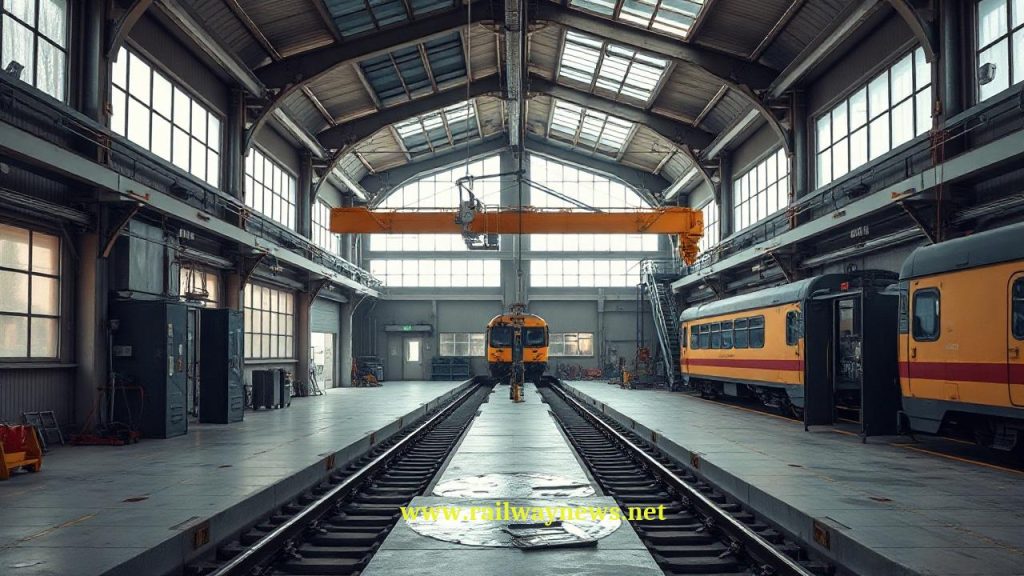
České dráhy opened a new €9 million regional train maintenance...
June 1, 2026 4:18 pm
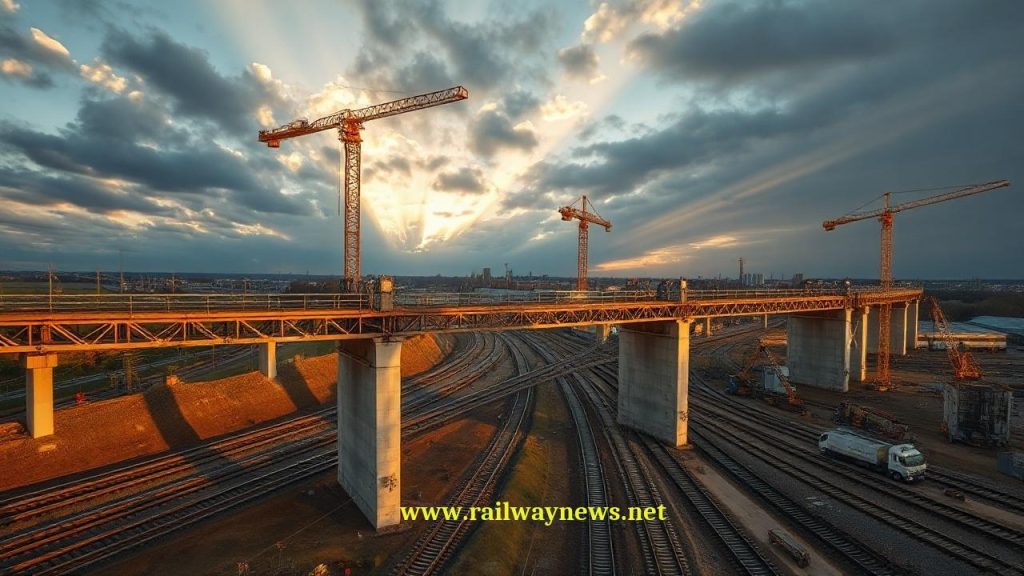
HS2 completed the 4,200-tonne Curzon 2 deck over Birmingham's Cross...