
Cairo Metro Line 3: Expanding Cairo’s Horizons
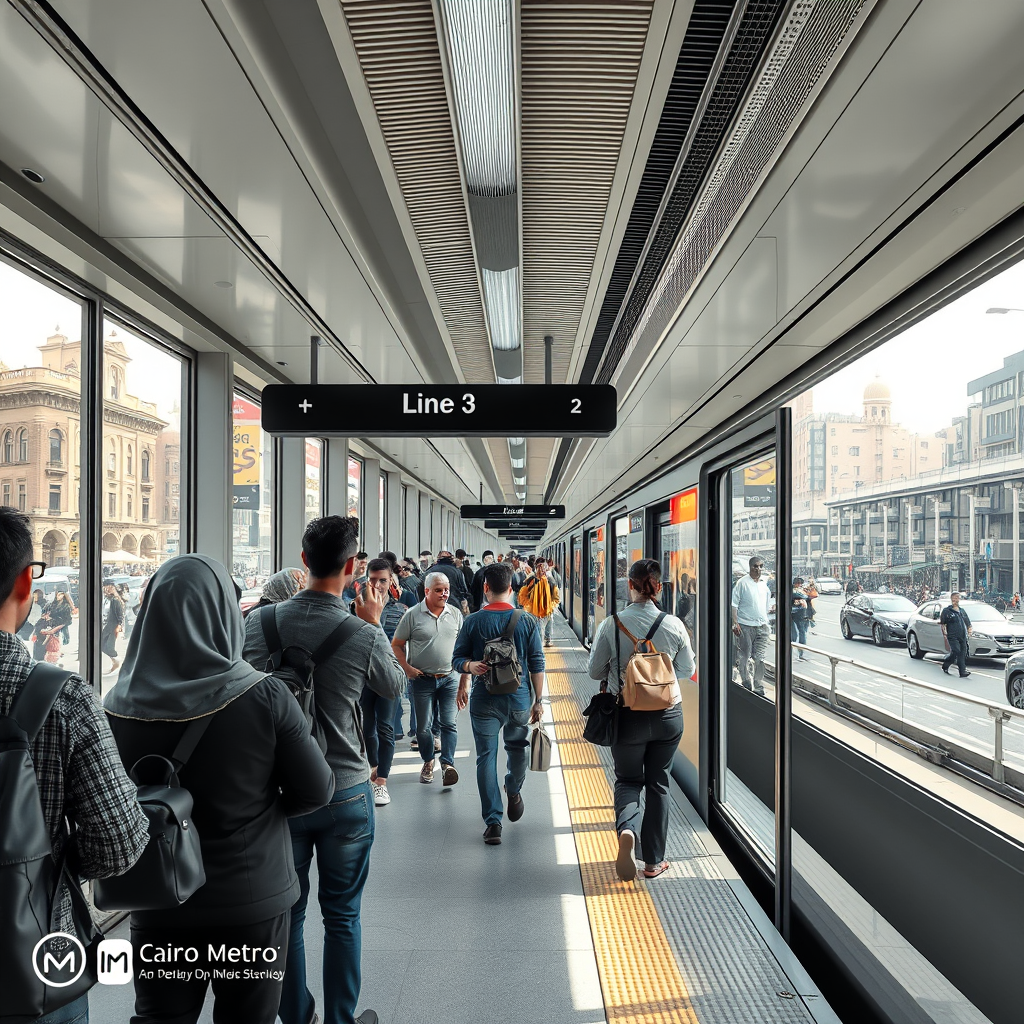
This article explores the recent completion of Line 3, Phase 3C, of the Cairo Metro, highlighting its significance within the broader context of Egypt’s ongoing railway infrastructure development. The expansion, encompassing 7.1 kilometers and five new stations, represents a culmination of years of investment and planning, significantly enhancing the city’s transportation network. This analysis will delve into the technical aspects of the project, its impact on Cairo’s commuting landscape, its integration with existing infrastructure, and its implications for future expansion plans. We will also briefly consider the larger strategic implications of this project within the context of Egypt’s national transportation goals and its role in facilitating economic growth and urban development. The article will critically assess the project’s success, exploring both its accomplishments and the challenges overcome during its implementation, offering valuable insights into the complexities of large-scale urban rail development.
Line 3, Phase 3C: A Technical Overview
The newly operational 7.1km section (3C) of Cairo Metro Line 3 extends from Al-Tawfiqeya station to Cairo University, traversing key areas including Wadi Al-Nil Street and Tahrir Square (League of Arab States station). The inclusion of the Boulak Al-Dakrour surface station signifies a strategic approach to integrating the metro system with surface transportation, improving accessibility for a wider range of commuters. The project’s completion marks the end of Line 3’s Phase 3, a significant milestone considering the phase’s initiation in 2006 and its initial opening in 2012. The construction involved intricate engineering challenges, requiring careful coordination to minimize disruption to existing infrastructure and traffic flow in a densely populated urban environment. This likely included detailed geotechnical investigations, precise tunnel boring, and sophisticated signaling system integration to ensure the safety and efficiency of operations.
Impact on Cairo’s Commuting Landscape
The extension of Line 3 significantly alleviates congestion in Cairo, a city notorious for its traffic problems. By providing a reliable and efficient mass transit option, the expansion reduces reliance on private vehicles, improving air quality and reducing commute times. The five new stations serve densely populated areas, offering improved accessibility to educational institutions (Cairo University), government buildings (League of Arab States), and residential neighborhoods. The integration of Line 3 with other modes of transport, including surface transport at Boulak Al-Dakrour, facilitates seamless travel for commuters, making the metro a more attractive and viable option. Data on ridership and travel time reductions will be crucial in assessing the true impact of this expansion on the overall efficiency of Cairo’s transportation system.
Integration with Existing Infrastructure and Future Expansion
The 3C section’s integration with the existing Line 3 network is a critical factor in its overall success. The seamless connection ensures efficient passenger flow and minimizes transfer times. Furthermore, the project’s alignment with the broader Cairo metro network demonstrates a cohesive long-term vision for urban transport development. The proposed 4C section, linking Heliopolis station to Cairo International Airport, demonstrates the continuing commitment to expanding the network and improving connectivity throughout the city. This expansion would further enhance the airport’s accessibility, benefiting both residents and tourists. The integration of advanced Intelligent Transportation Systems (ITS) is likely crucial for efficient operation and coordination across the entire network.
Strategic Implications and Conclusion
The completion of Line 3, Phase 3C, is not merely an isolated infrastructural achievement but a pivotal element within Egypt’s broader strategy for national development. The project reflects a significant investment in public transportation, contributing to sustainable urban growth and improved quality of life for Cairo’s residents. Its success underscores the importance of long-term planning, robust engineering, and efficient project management in delivering complex urban rail projects. The integration of this line with the 850km Greater Cairo – Aswan railway line further underscores the national commitment to modernizing Egypt’s transport infrastructure. The challenges faced during construction, such as navigating existing infrastructure and coordinating with multiple stakeholders, serve as valuable lessons for future railway projects. However, the project’s ultimate success in significantly improving Cairo’s transportation network and facilitating economic activity makes it a commendable achievement. Looking forward, the proposed 4C section and continued investments in railway infrastructure will be critical for sustaining Cairo’s sustainable growth and enhancing its global competitiveness. The Cairo Metro’s ongoing expansion embodies Egypt’s commitment to modernizing its transportation network, a crucial component in its broader economic and social development plans.
RELATED POSTS
November 11, 2025 1:54 am
Liverpool's railway depot undergoes significant expansion with a £580,000 investment....
Škoda Group (Škoda) has secured two contracts with Egyptian National...

October 3, 2018 5:22 pm
Revolutionizing rail accessibility, the Passenger Assist app streamlines assistance booking...
July 16, 2025 4:33 pm
Denmark's first battery-powered passenger trains debut on Midtjyske Jernbaner's Vemb–Lemvig–Thyborøn...
April 27, 2019 11:30 pm
Porterbrook's Innovation Centre: Revolutionizing rail technology with a repurposed...
December 16, 2025 4:39 pm
TIP Košice terminal transforms Eastern Europe's logistics with dual-gauge rail,...