
CAF’s Amsterdam Metro: Rail Innovation & Sustainability
Amsterdam’s choosing CAF’s innovative M7 metro cars! Learn how this cutting-edge technology is revolutionizing urban rail transit.
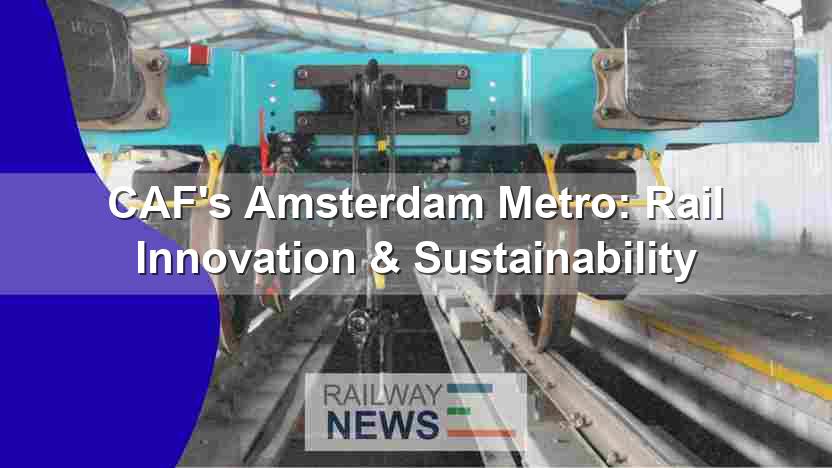
This article examines the selection of Construcciones y Auxiliar de Ferrocarriles (CAF) as the preferred bidder to supply 30 new metro vehicles (with an option for 30 more) to Amsterdam’s GVB (Gemeentelijk Vervoerbedrijf Amsterdam – Amsterdam Municipal Transport Company). This significant contract underscores several key aspects of modern urban transit planning: the need for fleet modernization to accommodate growing ridership, the increasing importance of energy efficiency and sustainable transportation solutions, and the global competitive landscape of rolling stock manufacturing. The selection of CAF, a prominent player in the railway industry, also highlights the ongoing evolution of technological advancements in metro design, including autonomous operation capabilities. We will delve into the specifics of this contract, exploring its implications for Amsterdam’s public transportation system and the broader trends shaping the future of urban rail.
Amsterdam’s Growing Transit Needs
Amsterdam’s robust economic growth and increasing population have placed significant strain on its public transportation infrastructure. The opening of the North-South Metroline further emphasized the necessity for enhanced capacity and improved service. The aging existing metro fleet, while serving the city for many years, lacked the capacity and technological advancements required to meet current and projected demand. The GVB’s decision to procure new metro cars represents a strategic move to address this challenge. The order for 30 new M7 metro cars, with an option for an additional 30, directly addresses the capacity constraints and allows for future expansion as the city continues its growth trajectory.
CAF’s Technological Advantage
CAF’s selection wasn’t solely based on price. The company’s bid likely highlighted several key technological advantages. The M7 vehicles are designed to be energy-efficient, incorporating features that minimize operational costs and environmental impact. The inclusion of cutting-edge passenger information systems improves the commuter experience and enhances the overall efficiency of the system. Perhaps most significantly, the ability of these vehicles to operate autonomously positions Amsterdam at the forefront of technological advancements in metro operation, potentially paving the way for future fully automated lines. This showcases CAF’s commitment to innovation and its ability to deliver state-of-the-art rolling stock solutions. The previous successful collaborations between CAF and GVB, including the delivery of 37 metro cars in 1994 and 63 trams (15G model) in 2016, undoubtedly played a role in this selection process, signifying a strong track record of trust and proven performance.
Economic Impact and Global Competition
This contract represents a significant investment in Amsterdam’s infrastructure and highlights the substantial economic impact of large-scale public transport projects. CAF’s success in securing this contract underscores its position as a leading global supplier of rolling stock, competing effectively in a highly competitive international market. The contract’s value, part of nearly €350 million worth of agreements CAF signed in the first four months of 2018, reflects the growing demand for modern, efficient, and technologically advanced metro systems across Europe and beyond. This success further strengthens CAF’s global presence and influence within the rail industry.
Future Implications and Conclusion
The delivery of CAF’s M7 metro cars represents a major step forward for Amsterdam’s public transportation system. The enhanced capacity, improved passenger experience, and incorporation of autonomous operation capabilities will greatly benefit the city’s residents and visitors. This project serves as a case study for other urban centers facing similar challenges of managing growing ridership and modernizing aging infrastructure. The choice of CAF underscores the increasing importance of technological innovation, energy efficiency, and sustainable solutions in the design and operation of modern metro systems. The expansion capabilities built into the contract provide flexibility for Amsterdam to adapt to future growth and evolving transportation needs. This collaborative effort between GVB and CAF ensures a long-term commitment to improving the quality, efficiency, and sustainability of Amsterdam’s public transportation network, solidifying Amsterdam’s position as a leader in sustainable urban transportation. The success of this project will likely influence future procurement strategies for similar projects in other cities worldwide, further establishing the importance of technological advancements and sustainable practices in urban rail transit. The ongoing relationship between GVB and CAF, evidenced by previous successful projects, guarantees a smooth transition and implementation of this substantial upgrade to Amsterdam’s metro system.

Railway infrastructure, rolling stock and transport technologies specialist focused on global rail industry developments, high-speed rail systems, signaling technologies and freight transportation. Covering railway investments, public transport modernization, rail operations and international mobility projects across Europe, Asia and North America.
RELATED POSTS
September 6, 2026 5:19 am
Hitachi delivered Taiwan's first N700ST high-speed train from Japan in...

September 5, 2026 4:19 pm
CPK launched formal tender talks with four consortia to design...

September 5, 2026 7:14 pm
HS2 Ltd signed renegotiated civils contracts with EKFB and Align...

September 6, 2026 4:12 am
Alstom delivered the first of 100 new G Class trams...
September 6, 2026 6:17 am
Hungary ordered a national ban on most freight trains from...
September 6, 2026 1:17 am
Hitachi Toshiba Supreme Consortium confirmed the first of 12 N700ST...