
Bromford Tunnel: TBM Dismantling, Engineering Feat in Birmingham
The Bromford Tunnel project: Witness the intricate dismantling of the TBM, including its colossal cutterhead, a critical step in expanding the UK’s rail network.
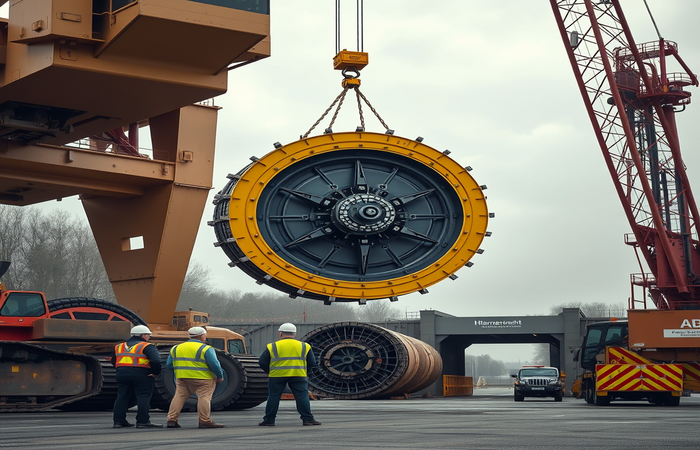
Birmingham, UK – May 30, 2025
The dismantling of a massive tunnel boring machine (TBM) marks a significant milestone in the ongoing Bromford Tunnel project in Birmingham, UK. This intricate operation, involving the removal of the TBM’s cutterhead, is a critical step in the machine’s decommissioning and subsequent refurbishment. This article will delve into the specifics of this complex engineering feat, exploring the processes involved, the challenges overcome, and the future of this impressive piece of machinery. We’ll examine the key players, the technical intricacies, and the broader implications for the rail infrastructure project.
The colossal undertaking highlights the scale and complexity of modern tunneling projects and showcases the expertise required to manage and maintain these specialized machines. The Bromford Tunnel project itself is a vital component of the broader rail network, designed to enhance connectivity and improve transportation efficiency. This news report will provide an in-depth look at the key phases of this project and the strategic impact on the rail infrastructure sector.
Demolition of a Colossal Machine
The initial stage of the TBM’s (Tunnel Boring Machine) disassembly involved the extraction of its massive cutterhead, an operation of significant technical skill. The cutterhead, with an 8.62-meter diameter, was lifted from the tunnel portal at Washwood Heath in north Birmingham. This extraction was accomplished using a 700-tonne crawler crane, highlighting the substantial infrastructure and equipment needed for this type of work. The cutterhead itself weighs approximately 120 tonnes. The 90-minute lift represents meticulous planning and precise execution, which is critical in heavy lifting operations where safety and accuracy are paramount. The entire 1,600-tonne TBM, used to bore the first section of the Bromford Tunnel, is now being prepared for full dismantling.
Tunnelling Operations and Project Overview
The TBM, designated as “TBM Elizabeth,” played a critical role in excavating the first bore of the Bromford Tunnel. This excavation spanned 652 days and nights, demonstrating the machine’s operational endurance and efficiency. The Bromford Tunnel is a crucial element of a rail infrastructure project, designed to increase the rail network’s capacity. Following the completion of the first bore, TBM Elizabeth is currently engaged in excavating the second bore of the tunnel. The project’s progress is closely monitored, with the breakthrough of the second section anticipated later this year. This ongoing project underscores the commitment to upgrading and expanding the UK’s rail network to support future transportation demands.
Dismantling and Future Deployment
Following the cutterhead’s removal, a team of 15 engineers will spend approximately three months dismantling the remaining 125-meter-long TBM. This process will occur adjacent to the tunnel portal at Washwood Heath. The dismantling process is complex, requiring precision and specialized tools to ensure all components are safely and efficiently extracted. Once the disassembly is complete, the TBM will be returned to Herrenknecht, the German tunnel boring company that manufactured the machine. The TBM is expected to undergo a thorough refurbishment and adaptation to meet the technical specifications of its subsequent tunneling assignments. The refurbishment process will include the inspection, repair, and potential upgrade of all major components.
Conclusion
The dismantling of the TBM is a vivid illustration of the complex and critical operations involved in large-scale infrastructure projects. The successful removal of the cutterhead and the upcoming dismantling of the entire machine signify the project’s progression and the expertise of the involved teams. The Bromford Tunnel project represents a crucial element of the infrastructure upgrade in the UK, aiming to boost the capacity of the rail network. The intricate processes involved, including the delicate removal of the cutterhead and the meticulous dismantling of the TBM, serve as a testament to the technical skills and precise coordination needed for such projects. After dismantling, the TBM’s return to Herrenknecht for refurbishment and potential adaptation shows the value of specialized equipment in the infrastructure sector. The machine’s re-entry into operation will emphasize its ongoing contribution to tunneling projects. In conclusion, this project showcases the synergy of innovative engineering, meticulous project management, and a commitment to improving the UK’s transportation infrastructure.
Companies Summary:
- Herrenknecht: The German tunnel boring company that manufactured the TBM, responsible for its refurbishment and potential future deployment.
RELATED POSTS

May 31, 2007 6:35 am
Mallorca's railway sector thrives! Recent projects, including Palma's new...
July 18, 2022 7:38 pm
California's Gold Line Foothill Extension light rail project expands Los...
November 27, 2017 11:52 am
Optimize railway operations for superior safety and efficiency with advanced...
July 22, 2016 1:43 pm
Enhance rail transport efficiency! RFI's €1.2 billion project connects Genoa...

May 29, 2025 12:00 am
News Article: Railway Industry Gears Up for Expansion and Leadership...
September 10, 2023 9:36 pm
France’s €49 Unlimited Rail Pass: A National Mobility Strategy France...