
British Steel: Network Rail’s £200M Rail Innovation
Network Rail’s £200 million extension with British Steel secures high-performance rail for years to come, boosting efficiency and safety. Discover how this partnership innovates UK rail infrastructure!
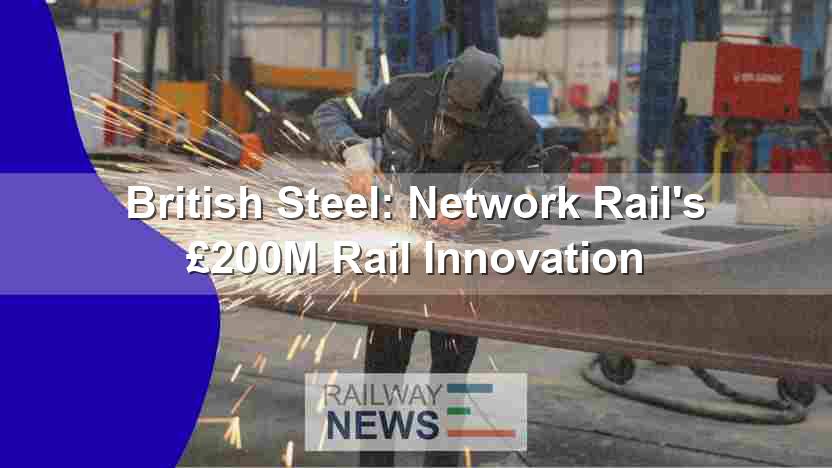
The rail infrastructure sector relies heavily on the consistent supply of high-quality materials, particularly steel rails, to maintain operational efficiency and safety. This article explores the significant £200 million contract extension awarded to British Steel by Network Rail (NR), the UK’s rail infrastructure manager. This two-year extension, covering the period from March 2019 to March 2021, signifies a continued commitment to a successful partnership built on the delivery of innovative and cost-effective rail solutions. The agreement underscores the crucial role of strategic sourcing in maintaining a robust and efficient rail network, impacting both passenger and freight operations. The analysis will delve into the specifics of the contract, examining the types of rail supplied, the technological advancements incorporated, and the overall economic and operational benefits for Network Rail and the broader UK rail system. Finally, the article will consider the wider implications of such large-scale contracts within the context of the UK’s rail modernization strategy.
Long-Term Partnership and Supply Chain Optimization
The £200 million contract extension builds upon an existing five-year agreement, demonstrating a high level of trust and collaboration between British Steel and Network Rail. British Steel has already supplied over half a million tonnes of rail, totaling 9,000 kilometers, under the previous agreement. This substantial volume highlights the scale of the rail infrastructure maintenance and renewal needs within the UK. The extension ensures continuity of supply, mitigating risks associated with sourcing materials from multiple suppliers, and fostering a streamlined and efficient supply chain. This stability allows Network Rail to effectively plan and execute its maintenance and renewal programs, reducing potential disruptions to rail services.
Technological Innovation and Cost-Effectiveness
The contract highlights the increasing focus on innovation within the rail industry. British Steel will supply two advanced rail types: HP335 and Zinoco. HP335 (High Performance 335), approved by Network Rail in 2012, is designed for extended rail life and reduced lifecycle costs. This represents a significant advancement, minimizing the need for frequent replacements and reducing overall maintenance expenditures. Zinoco, a corrosion-resistant rail, is specifically designed for demanding operational environments such as level crossings and tunnels, where corrosion is a major concern. These innovative rail types demonstrate a commitment to improving the long-term value and reliability of the UK’s rail infrastructure, improving safety and reducing operational downtime.
Operational Benefits and Economic Impact
The contract’s impact extends beyond mere material supply. The use of longer rail lengths (up to 216 meters) contributes to improved efficiency during installation, reducing the time and resources required for track renewals. The reduction in maintenance needs, facilitated by the high-quality and innovative rail products, translates to significant cost savings for Network Rail. These cost savings ultimately benefit taxpayers and contribute to the overall efficiency of the UK rail network. Moreover, the improved reliability resulting from reduced maintenance enhances both passenger and freight transportation, ensuring smoother and more frequent operations.
Strategic Sourcing and National Infrastructure
Network Rail’s decision to extend the contract with British Steel reflects a strategic approach to sourcing materials. The emphasis on long-term partnerships, coupled with a focus on innovation and value for money, underscores a responsible and forward-looking strategy for managing the UK’s critical rail infrastructure. The contract reinforces the importance of domestic manufacturing within the rail sector, supporting British industry and contributing to economic growth. The successful partnership between British Steel and Network Rail serves as a model for collaboration and innovation in the pursuit of a more efficient, reliable, and cost-effective national rail system.
Conclusion
The £200 million contract extension between British Steel and Network Rail represents a significant milestone in the ongoing modernization of the UK’s rail infrastructure. This agreement is far more than a simple materials supply deal; it signifies a long-term commitment to a strategic partnership built on innovation, efficiency, and value for money. The decision by Network Rail to extend this contract showcases the success of the collaboration, emphasizing the benefits of streamlined supply chains and the utilization of cutting-edge rail technologies. The supply of HP335 and Zinoco rails, representing advancements in rail longevity and corrosion resistance, illustrates the commitment to improving the overall lifespan and reliability of the national rail network. This, in turn, directly impacts the efficiency and cost-effectiveness of rail operations, leading to benefits for both passengers and freight operators.
The emphasis on domestic manufacturing also holds significant economic and strategic importance. Supporting British Steel strengthens the domestic manufacturing base within the rail sector and contributes positively to the overall UK economy. This focus reinforces the value of strategic sourcing and long-term partnerships in managing critical national infrastructure projects. The contract’s success underlines the need for continued investment in research and development of advanced rail materials and technologies, as well as the benefits of fostering strong collaborative relationships between infrastructure managers and material suppliers. Ultimately, this partnership model contributes to a safer, more reliable, and more cost-effective rail system, directly impacting the quality and efficiency of rail transport throughout the United Kingdom.
In summary, the extended contract provides a compelling example of successful collaboration in the rail industry, demonstrating a commitment to innovation, cost-effectiveness, and the long-term sustainability of the UK’s vital rail network. It serves as a positive indicator of the UK’s ongoing commitment to improving its rail infrastructure, which is critical for both economic growth and social mobility.

Railway infrastructure, rolling stock and transport technologies specialist focused on global rail industry developments, high-speed rail systems, signaling technologies and freight transportation. Covering railway investments, public transport modernization, rail operations and international mobility projects across Europe, Asia and North America.
RELATED POSTS
September 6, 2026 5:19 am
Hitachi delivered Taiwan's first N700ST high-speed train from Japan in...

September 6, 2026 4:12 am
Alstom delivered the first of 100 new G Class trams...

September 5, 2026 7:14 pm
HS2 Ltd signed renegotiated civils contracts with EKFB and Align...
September 6, 2026 1:17 am
Hitachi Toshiba Supreme Consortium confirmed the first of 12 N700ST...
September 5, 2026 6:17 pm
Universal Signalling won a deal to install its U-Cross system...
September 6, 2026 12:20 pm
Indian Railways ordered a probe after a fire destroyed 2...