
Bristol Parkway: Network Rail’s Capacity Upgrade
Bristol Parkway’s new platform: A Network Rail success story, boosting capacity and reliability. Discover how strategic upgrades transformed this key transport hub!
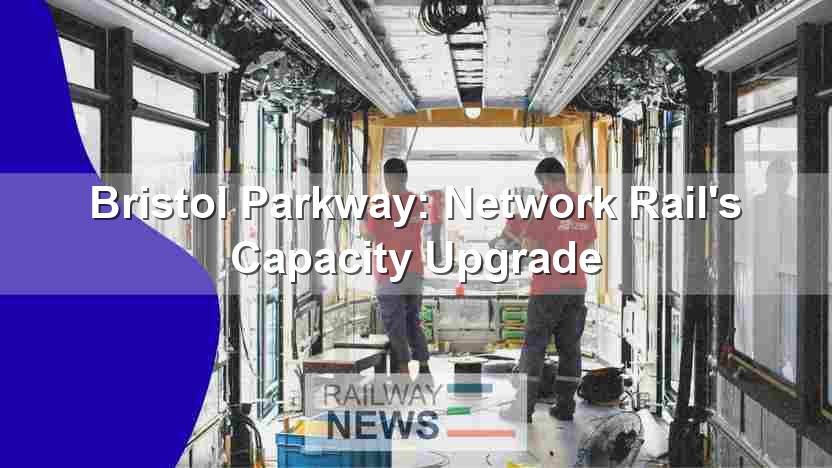
This article examines the recent expansion at Bristol Parkway station, focusing on the strategic rationale behind the addition of a new platform and its impact on the wider rail network in the southwest of England. The project, part of Network Rail’s Railway Upgrade Plan, represents a significant investment designed to alleviate capacity constraints, improve service reliability, and facilitate future growth. We will analyze the engineering challenges overcome, the operational benefits realized, and the broader implications for passenger experience and regional economic development. The addition of a new platform is not merely an increase in physical space, but a critical element in optimizing the flow of passengers and trains, addressing bottlenecks and maximizing the efficiency of a crucial transport hub serving a densely populated and economically vibrant region. The analysis will explore the interplay between infrastructure investment, service frequency, and overall passenger satisfaction, providing a valuable case study for similar infrastructure projects across the country and internationally.
Addressing Capacity Constraints at Bristol Parkway
Bristol Parkway station, a major interchange serving passengers from Wales, the southwest of England, and Birmingham, had reached its operational capacity. Increasing passenger demand, coupled with limitations in platform availability, resulted in overcrowded platforms, delays, and a reduced ability to add services. The addition of a new platform directly addressed this capacity constraint, enabling a significant increase in train frequency and improving overall operational efficiency. This increase in capacity allows for a more robust schedule, enabling Great Western Railway (GWR) and CrossCountry to introduce more frequent services, potentially including new intercity stops.
The Significance of the Railway Upgrade Plan
The new platform at Bristol Parkway is not an isolated project but forms a crucial component of Network Rail’s Railway Upgrade Plan. This detailed initiative aims to modernize and expand the UK’s rail infrastructure to meet growing passenger demand and improve overall network performance. The investment in Bristol Parkway demonstrates the program’s commitment to strategically upgrading key transport hubs. The plan encompasses a range of improvements, including track doubling, signaling upgrades, and platform extensions, all designed to enhance capacity and reliability across the network. The successful implementation at Bristol Parkway serves as a model for similar upgrades throughout the country, showcasing the effective coordination of engineering works and operational planning.
Improved Reliability and Punctuality Through Signaling and Track Upgrades
The new platform’s construction is interwoven with other improvements to the Bristol rail network. Network Rail concurrently completed major signaling upgrades in the Bristol area. These upgrades, coupled with track doubling, significantly improve train routing and operational flexibility. This synergistic approach maximizes the benefits of the new platform. By eliminating bottlenecks and improving the flow of trains, these interconnected upgrades enhance reliability and punctuality, benefiting both passenger and freight services. The improved signaling systems also create the infrastructure needed to support the increased train frequency made possible by the new platform.
Economic and Social Benefits of Enhanced Rail Connectivity
The improvements at Bristol Parkway extend beyond the immediate operational benefits. Enhanced rail connectivity facilitates economic growth in the region, improving accessibility for commuters and businesses. Increased frequency and reliability encourage more people to choose rail travel, reducing reliance on road transport and mitigating traffic congestion. The improved infrastructure enhances the attractiveness of the region for investment and creates a more efficient environment for businesses. Additionally, the improved accessibility benefits commuters, improving their quality of life and contributing to overall social well-being. The project showcases the positive economic and social ripple effects of well-planned infrastructure investments in transport.
Conclusions
The opening of the new platform at Bristol Parkway station represents a significant achievement in enhancing the UK’s rail network. The project, undertaken as part of Network Rail’s Railway Upgrade Plan, successfully addressed capacity constraints at a critical interchange point, serving passengers from across the southwest of England and beyond. The careful integration of the new platform with accompanying signaling and track upgrades has resulted in a tangible improvement in service frequency, reliability, and punctuality. The project’s success highlights the crucial interplay between infrastructure investment, operational efficiency, and the overall passenger experience. The increased capacity not only alleviates congestion but also stimulates economic growth by enhancing regional connectivity and improving accessibility for commuters and businesses. The case study of Bristol Parkway demonstrates that strategic planning and effective execution of infrastructure projects can yield substantial and long-lasting improvements to the rail network, ultimately benefiting both passengers and the regional economy. The lessons learned from this project can inform future upgrades across the country and serve as a model for efficient and impactful rail infrastructure development worldwide. The emphasis on integrating upgrades to signaling, track layout, and platform capacity demonstrates a holistic approach to improving rail performance, rather than focusing solely on individual components. This detailed approach has created a more resilient and efficient rail network, which is better equipped to handle increased passenger demand and meet the needs of a growing population. The future success of similar projects will depend on continuing this integrated approach, ensuring effective collaboration between stakeholders, and prioritizing the strategic planning necessary to address current and future demands on the rail infrastructure.

Railway infrastructure, rolling stock and transport technologies specialist focused on global rail industry developments, high-speed rail systems, signaling technologies and freight transportation. Covering railway investments, public transport modernization, rail operations and international mobility projects across Europe, Asia and North America.
RELATED POSTS

September 6, 2026 5:19 am
Hitachi delivered Taiwan's first N700ST high-speed train from Japan in...

September 5, 2026 4:19 pm
CPK launched formal tender talks with four consortia to design...

September 5, 2026 7:14 pm
HS2 Ltd signed renegotiated civils contracts with EKFB and Align...

September 6, 2026 4:12 am
Alstom delivered the first of 100 new G Class trams...

September 6, 2026 1:17 am
Hitachi Toshiba Supreme Consortium confirmed the first of 12 N700ST...

September 6, 2026 6:17 am
Hungary ordered a national ban on most freight trains from...