
Brighton Main Line Upgrade: £67M Rail Investment Success
Network Rail’s Brighton Main Line upgrade: a £67 million success story showing how proactive maintenance boosts reliability and passenger satisfaction. Discover how collaborative teamwork conquered logistical challenges!
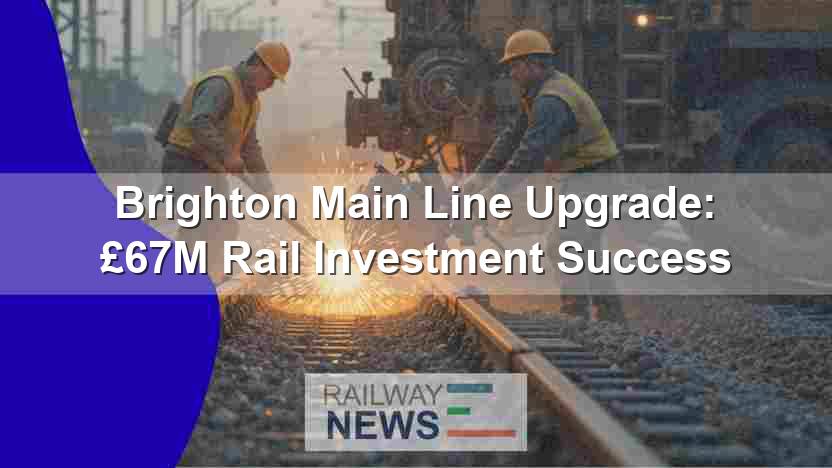
This article examines the recent major upgrade project undertaken by Network Rail (NR) on the Brighton Main Line, a critical artery in the UK’s railway network. Serving an average of 300,000 passengers daily, this line’s reliability is paramount. The nine-day closure in February 2019 facilitated extensive engineering works, encompassing track renewal, signaling system modernization, and crucial drainage improvements. This project, part of a larger £67 million investment program, highlights the challenges and rewards of maintaining and upgrading aging railway infrastructure. The following sections will delve into the specifics of the works, the logistical complexities involved, the benefits for passengers and the broader implications for railway management strategies in the face of increasing demand and aging assets. The analysis will also explore the collaborative aspects between Network Rail and the train operating company, Govia Thameslink Railway (GTR), which were essential to the project’s success.
Scope and Scale of the Upgrade
The upgrade encompassed a wide range of activities across the Brighton Main Line section between Brighton and Three Bridges. Over 250 engineers worked concurrently at 26 different sites, showcasing the scale and complexity of the undertaking. The works included detailed track renewal, addressing issues that frequently caused delays. Signaling system improvements were implemented to enhance operational efficiency and safety. Significant attention was paid to drainage improvements, particularly within the Victorian-era tunnels, which were notorious for flooding and subsequent service disruptions. These upgrades addressed critical infrastructure deficiencies, aiming to eliminate recurring maintenance issues and improve the overall resilience of the line. The project demonstrates a proactive approach to infrastructure management, aiming to prevent future failures rather than solely addressing immediate problems.
Logistical Challenges and Collaborative Efforts
Coordinating the efforts of over 250 engineers across multiple sites simultaneously presented considerable logistical challenges. Effective planning, precise scheduling, and seamless communication were crucial to ensure the project’s timely completion within the nine-day closure window. The collaboration between Network Rail and Govia Thameslink Railway (GTR) was instrumental in managing the project’s complexities. This partnership extended beyond the core engineering works, incorporating station improvements at several locations along the route. GTR’s involvement encompassed platform upgrades, repainting, and footbridge overhauls at stations like Balcombe, Haywards Heath, Wivelsfield, Hassocks, Preston Park, Plumpton, and Cooksbridge. This collaborative approach highlights the importance of integrated management within the railway industry for successful and impactful improvements.
Benefits and Long-Term Implications
The completed upgrade is anticipated to significantly improve the reliability and punctuality of services on the Brighton Main Line. By addressing the root causes of delays – aging infrastructure and inadequate drainage – NR aims to provide a more dependable service for passengers. The long-term benefits extend beyond improved passenger experience, leading to enhanced operational efficiency for GTR and reduced maintenance costs for Network Rail in the future. This proactive approach to infrastructure investment represents a shift toward preventative maintenance, minimizing future disruptions and maximizing the lifespan of crucial railway assets. The success of this project will serve as a valuable model for future railway upgrade initiatives across the UK.
Conclusion
The Network Rail upgrade of the Brighton Main Line demonstrates a substantial investment in improving the UK’s railway infrastructure. The nine-day closure allowed for the simultaneous execution of detailed track, signaling, and drainage works, significantly addressing long-standing reliability issues. The project’s success hinged on meticulous planning, effective coordination of a large workforce, and strong collaboration between Network Rail and Govia Thameslink Railway (GTR). The integrated approach encompassed not only the core engineering works but also station upgrades, ensuring a holistic improvement of the passenger experience. The anticipated outcome – increased reliability, improved punctuality, and reduced future maintenance costs – underscores the value of strategically planned infrastructure investments. This project serves as a model for future railway modernization efforts, emphasizing the importance of proactive maintenance strategies and integrated management approaches to enhance the performance and longevity of railway assets while prioritizing passenger satisfaction.
The considerable investment of £67 million showcases the commitment to enhancing the UK rail network. The successful completion, despite the logistical complexity of managing 250 engineers across 26 sites, underlines the efficacy of collaborative working between NR and GTR. This project represents more than just immediate improvements; it’s a significant step towards building a more resilient and efficient railway system capable of meeting the demands of a growing passenger base. The long-term benefits extend beyond daily operations, creating a more dependable and robust infrastructure for future generations. By proactively addressing aging infrastructure challenges, Network Rail is not only improving passenger services but also ensuring the continued viability and efficiency of a critical component of the UK’s transportation network.

Railway infrastructure, rolling stock and transport technologies specialist focused on global rail industry developments, high-speed rail systems, signaling technologies and freight transportation. Covering railway investments, public transport modernization, rail operations and international mobility projects across Europe, Asia and North America.
RELATED POSTS

October 1, 2026 7:09 am
United States regulators confirmed a September 30 deadline for the...

October 8, 2026 1:15 pm
Alstom secured a €1bn contract to build 13 automated trains,...

October 4, 2026 5:14 pm
Alstom secured a CA$4.7 billion order from VIA Rail Canada...

October 1, 2026 12:13 am
Illinois approved $1.5 billion annually for the Northern Illinois Transit...
October 6, 2026 2:14 am
Union Pacific launched export rail shipments with Ferromex to deliver...

October 1, 2026 6:10 am
Amtrak approved a System Expansion Committee on July 30 to...