
Brightline West: High-Speed Rail’s US Milestone
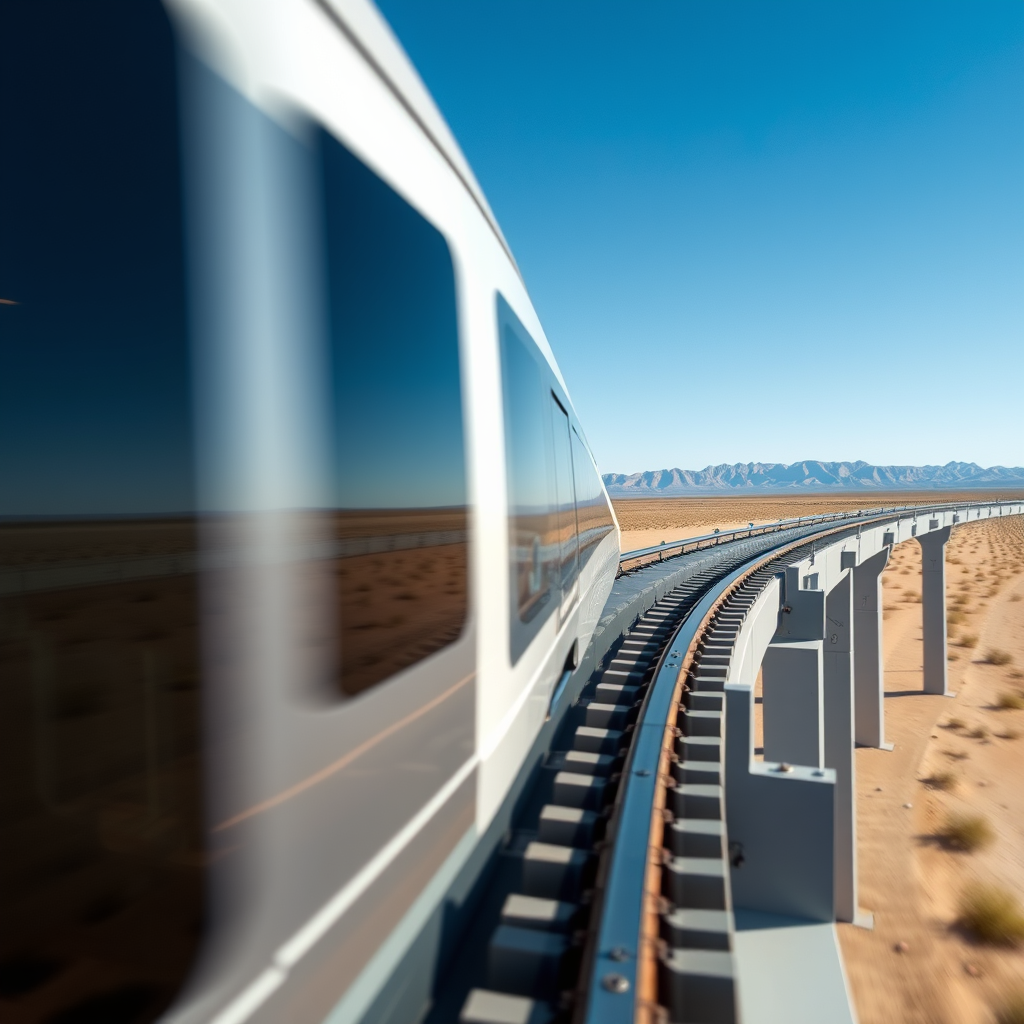
The Brightline West High-Speed Rail Project: A Milestone for US Rail Development
This article delves into the significant developments surrounding the Brightline West high-speed rail project, marking a potential turning point in the United States’ approach to intercity passenger rail. The project, spanning 218 miles between Las Vegas and Rancho Cucamonga (near Los Angeles), promises a transformative shift in transportation within the southwestern United States. We will explore the current pre-construction activities, the project’s ambitious goals regarding reduced highway congestion and environmental impact, the technological advancements it incorporates, and its potential implications for future high-speed rail initiatives across the nation. This examination considers not only the immediate impact of Brightline West, but also its role in setting a precedent for large-scale, high-speed rail infrastructure development in a country traditionally reliant on automobiles and air travel. The analysis will focus on the engineering challenges, logistical complexities, and the economic and societal benefits anticipated from this groundbreaking endeavor.
Preliminary Site Work and Design Finalization
Brightline West has initiated crucial preliminary groundwork, signifying the final stages of the design phase before full-scale construction commences. This involves extensive geotechnical investigations, including borings and samplings to assess soil conditions and ensure the structural integrity of the planned rail line. Utility potholing (locating and marking underground utilities) and land surveying are also underway, essential components for safe and efficient construction. These activities, currently focused within the I-15 (Interstate 15) corridor, are designed to minimize disruption, with traffic impacts limited to daytime shoulder closures. This meticulous pre-construction planning underscores a commitment to efficient project execution and safety.
Integration with Existing Rail Networks
A key feature of the Brightline West project is its seamless integration with the existing Southern California Metrolink commuter rail network at Rancho Cucamonga. This strategic connection facilitates multimodal transport, allowing passengers to seamlessly transfer between high-speed and regional services, extending the reach and utility of the new line. This interconnected approach underscores a broader vision for a coordinated and efficient national rail network, a concept crucial for maximizing the potential of high-speed rail. The planning demonstrates a forward-thinking approach, considering not only the immediate operational aspects but also the long-term integration with existing infrastructure.
Technological Advancements and Sustainability
Brightline West’s commitment to sustainability and technological advancement is evident in its adoption of all-electric trains, reducing the project’s carbon footprint compared to diesel-powered alternatives. The high-speed trains will operate at speeds of approximately 186 mph, significantly reducing travel times between Las Vegas and Los Angeles. While specific details regarding the centralized train control system (CTC) are not fully disclosed, its implementation suggests a move towards advanced signaling and train management technologies, optimizing safety and operational efficiency. This focus on environmentally responsible and technologically advanced solutions positions the project as a model for future high-speed rail development initiatives.
Addressing Highway Congestion and Modal Shift
The project’s alignment along the I-15 corridor directly addresses the persistent issue of highway congestion in Southern California and Nevada. By providing a viable alternative for intercity travel, Brightline West aims to induce a modal shift, encouraging commuters and tourists to opt for rail over automobiles. This shift is expected to reduce traffic on the I-15, improving travel times and reducing greenhouse gas emissions. The project thus plays a crucial role in improving transportation infrastructure and promoting sustainable transportation practices within the region.
Conclusions
The commencement of pre-construction activities on the Brightline West high-speed rail project marks a significant step toward realizing a long-awaited goal: a functional high-speed rail system within the United States. The careful planning and execution of the preliminary work, including geotechnical investigations, utility coordination, and integration with existing Metrolink services, showcase a sophisticated approach to large-scale infrastructure projects. The project’s commitment to all-electric trains and advanced train control systems underlines its ambition to deliver a sustainable and efficient transportation solution. Beyond its immediate impact on travel times and highway congestion between Las Vegas and Los Angeles, Brightline West’s success could serve as a powerful catalyst for future high-speed rail development across the nation. The project’s technological advancements, integration with existing infrastructure, and focus on sustainability demonstrate a commitment to creating a transportation network that meets the needs of a growing population while minimizing environmental impact. The successful completion and operation of this project will undoubtedly influence future transportation planning and policy, paving the way for a more comprehensive and efficient national rail system. The lessons learned from Brightline West’s design, construction, and operational phases will be invaluable in guiding future high-speed rail initiatives, ensuring the responsible and effective development of this vital mode of transportation. The project’s ultimate success lies not only in its technical execution, but also in its ability to demonstrate the economic and societal benefits of high-speed rail, ultimately shaping the future of intercity travel in the United States.