
Borealis Rail: Midwest Passenger Milestone & Expansion Outlook
Amtrak’s Borealis passenger rail service surpasses 250,000 riders. Midwest demand for passenger rail grows.
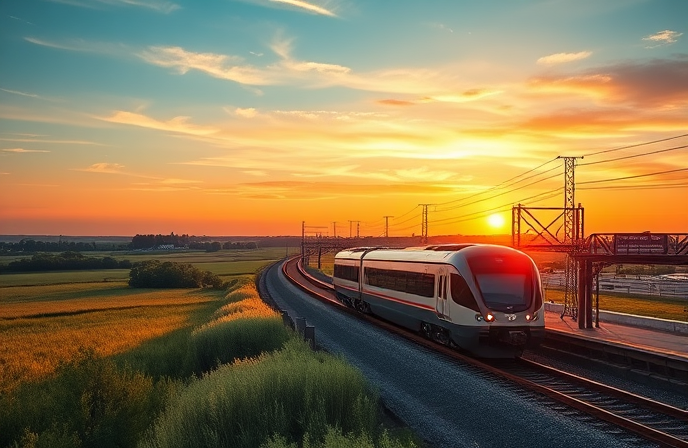
Borealis Passenger Service Celebrates Quarter-Million Rider Milestone
A significant achievement for Amtrak’s new passenger rail service, the Borealis, was reached over the recent Independence Day holiday weekend. The Chicago-to-Twin Cities route, operating since May 23, 2024, carried its 250,000th passenger. This accomplishment underscores the growing demand for passenger rail travel in the Midwest, highlighting the success of the Borealis service, which operates daily under a collaborative agreement between Amtrak and the transportation departments of Minnesota, Wisconsin, and Illinois. This article explores the operational achievements and the wider implications of this successful passenger rail venture, focusing on its role in the regional transportation landscape and its potential for future expansion.
Operational Overview & Ridership Success
The Borealis, jointly operated by Amtrak, commences its daily journey from St. Paul in the midday, and from Chicago in the late morning, providing a crucial link between major Midwestern cities. The service strategically includes a stop in Milwaukee, thereby connecting crucial points in the region and serving a broad spectrum of passengers. Since its inaugural run on May 23, 2024, the Borealis has consistently surpassed anticipated ridership figures, validating the demand for this type of passenger service in the corridor. The success is a testament to the reliability and appeal of rail travel, demonstrating its role in the modern transportation network.
Collaborative Partnerships and State Support
The Borealis’s operational model, structured through agreements with the Minnesota, Wisconsin, and Illinois Departments of Transportation (DOTs), signifies the strength of collaborative efforts in fostering successful passenger rail operations. This public-private partnership emphasizes the crucial role of DOTs in the development and support of intercity rail services. This multi-state cooperative structure allows the efficient allocation of resources and the streamlining of operations. This method provides a replicable framework for similar projects in the future.
Industry Perspectives: Demand for Rail Transport
The 250,000-rider milestone validates the inherent need for safe, reliable, and efficient passenger-rail transportation options, as articulated by Wisconsin Transportation Secretary Kristina Boardman. The Borealis is providing a much-needed travel alternative. This success also reflects the increasing public awareness of the environmental benefits and the convenience offered by rail. The Borealis’ success is a notable example of how strategic route planning, service reliability, and inter-state collaboration can achieve a high level of ridership.
Conclusion
The Borealis service’s achievement of transporting 250,000 passengers since its launch is more than just a number; it exemplifies the potential for rail travel as a viable and desirable mode of transportation in the Midwest. This success highlights the efficacy of collaborative agreements, and the growing demand for passenger rail services. The high ridership numbers suggest a trend that encourages investment and expansion within the rail sector, as well as improved infrastructure. The focus is expected to bring additional passenger services to complement the existing Amtrak long-distance services already connecting the Chicago and Twin Cities regions.
This impressive success also has industry implications, demonstrating the ability to stimulate economic activity and enhance regional mobility. The long-term outlook for the Borealis is positive, with opportunities for route extensions, schedule enhancements, and technological upgrades. As the rail network expands and integrates, expect more passenger growth across the region. The model of the Borealis could potentially serve as a template for similar services, boosting the revitalization of passenger rail across the country.
RELATED POSTS
Union Pacific earned an 80% top Class I railroad intermodal...

March 6, 2026 12:10 pm
Consortium Announces Digital Services Platform for UK Rail Sector A...
March 5, 2026 7:57 pm
Banedanmark launched battery train operations on Denmark's 67 km Skjern–Holstebro...
March 4, 2026 10:12 am
Amtrak and Siemens deploy 8 Airo trains for the U.S....
March 5, 2026 4:23 am
Renfe suspends Spain rail services on Madrid-Andalusia corridor until February...
March 6, 2026 4:07 pm
Digital Subscription Market Analysis Q1 2026 Analytics firm Antenna confirmed...