
Bombardier’s UK Rail Maintenance: Key Insights
Bombardier’s extended Electrostar fleet maintenance contract with TfL proves proactive railway maintenance maximizes efficiency and secures long-term partnerships. Learn how collaborative strategies deliver superior results!
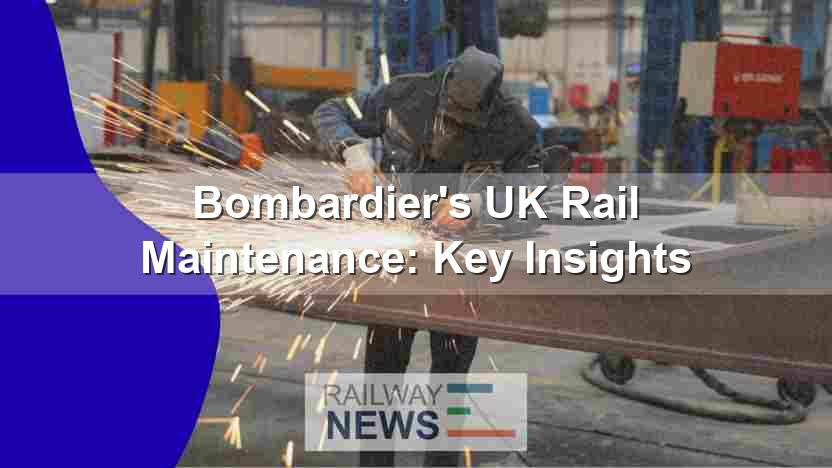
This article explores the strategic significance of Transport for London (TfL)’s decision to extend its contract with Bombardier Transportation for the maintenance of its Class 378 Electrostar fleet on the London Overground network. The extension, covering the period from December 2023 to May 2030, represents a significant investment in ensuring the continued reliability and operational efficiency of a crucial component of London’s public transportation system. We will examine the factors contributing to Bombardier’s success in securing this renewed contract, the implications for both TfL and Bombardier, and the broader trends this signifies within the railway maintenance sector. The analysis will cover aspects of contract negotiations, value engineering, maintenance strategies, and the role of depot operations in maintaining a large-scale rail fleet.
Maintaining Operational Excellence: The Core of the Contract
The extended contract underscores the critical role of effective fleet maintenance in ensuring the smooth operation of a major metropolitan railway system. The London Overground, a vital artery for commuters, relies heavily on the reliability of its Class 378 Electrostar trains. Bombardier’s proven track record in delivering high-quality maintenance services was a pivotal factor in securing the contract extension. The agreement stipulates ongoing maintenance and support services, encompassing preventative measures, corrective repairs, and technical support to minimize service disruptions and maximize train availability. This highlights the importance of a proactive maintenance strategy, focused on preventing failures rather than simply reacting to them.
Strategic Partnerships and Value Engineering: A Win-Win Scenario
Bombardier’s success in winning the contract extension wasn’t solely based on its past performance. The company demonstrated a commitment to value engineering, collaborating closely with TfL to optimize maintenance procedures. This included streamlining service locations, reducing the number of depots required from an initial greater number, and extending maintenance intervals. These collaborative efforts resulted in improved cost-effectiveness without compromising service quality. This collaborative approach highlights the growing trend toward strategic partnerships between railway operators and maintenance providers, emphasizing mutual benefit and shared responsibility for efficient service delivery. This partnership model, built on trust and open communication, demonstrates how both parties can gain through shared objectives. The focus is on long term contracts, reliability, and continuous improvement in cost and quality.
Depot Operations and Logistics: Ensuring Efficient Maintenance
The contract specifies maintenance activities at four strategically located depots across London, including New Cross Gate and Willesden Train Care Depots. The strategic positioning of these depots is crucial for minimizing transit times and maximizing the effective use of maintenance resources. Efficient depot operations, incorporating optimized scheduling, effective resource allocation, and streamlined workflow processes, are essential to minimize downtime and maintain the high service standards demanded by TfL. The management of these depots, including staff training, parts inventory management, and adherence to safety regulations, are key aspects for Bombardier to successfully fulfill its contractual obligations. The 19 other depots operated by Bombardier across the UK demonstrates a deep understanding of network needs and efficient large-scale operations. This extensive network further strengthens Bombardier’s position in the rail maintenance industry.
Broader Implications for the Railway Industry
The Bombardier-TfL contract extension provides valuable insights into future trends in the railway maintenance sector. The emphasis on collaboration, value engineering, and strategic partnerships highlights a move toward more integrated and efficient approaches to fleet maintenance. This signifies a transition from traditional, reactive maintenance models to a more proactive, preventative approach that prioritizes maximizing asset utilization and minimizing lifecycle costs. Moreover, the success of Bombardier underscores the increasing importance of demonstrating cost-effectiveness and operational efficiency in securing long-term contracts within a competitive industry landscape. The £106 million value of the contract extension illustrates the substantial financial commitment involved in ensuring the reliability of a major metropolitan rail network.
Conclusion
The extension of the Bombardier Transportation contract by TfL for the maintenance of the Class 378 Electrostar fleet on the London Overground network offers a compelling case study in successful railway service provision. The agreement, valued at approximately £106 million, highlights the critical importance of reliable fleet maintenance in ensuring the smooth operation of a busy commuter rail network. Bombardier’s success stemmed not only from its past performance but also from its proactive approach to value engineering and collaborative partnership with TfL. The optimization of depot operations, strategic depot placement, and the implementation of proactive maintenance strategies are critical elements that contributed to securing the contract. The contract extension signifies several important trends within the rail industry including a shift towards strategic partnerships, a focus on preventative maintenance, and the importance of cost-effectiveness. This collaborative and innovative approach showcases a successful model for future railway maintenance contracts, emphasizing mutual benefit, efficiency, and the delivery of high-quality service to the end-user: the London commuter.

Railway infrastructure, rolling stock and transport technologies specialist focused on global rail industry developments, high-speed rail systems, signaling technologies and freight transportation. Covering railway investments, public transport modernization, rail operations and international mobility projects across Europe, Asia and North America.
RELATED POSTS
September 6, 2026 5:19 am
Hitachi delivered Taiwan's first N700ST high-speed train from Japan in...

September 5, 2026 4:19 pm
CPK launched formal tender talks with four consortia to design...

September 5, 2026 7:14 pm
HS2 Ltd signed renegotiated civils contracts with EKFB and Align...

September 6, 2026 4:12 am
Alstom delivered the first of 100 new G Class trams...
September 6, 2026 1:17 am
Hitachi Toshiba Supreme Consortium confirmed the first of 12 N700ST...
September 6, 2026 6:17 am
Hungary ordered a national ban on most freight trains from...