
Bombardier Regio 2N: France Rail Modernization
Upgrade your Transilien network with Bombardier’s Regio 2N trains! Experience enhanced passenger comfort, increased capacity, and improved efficiency.
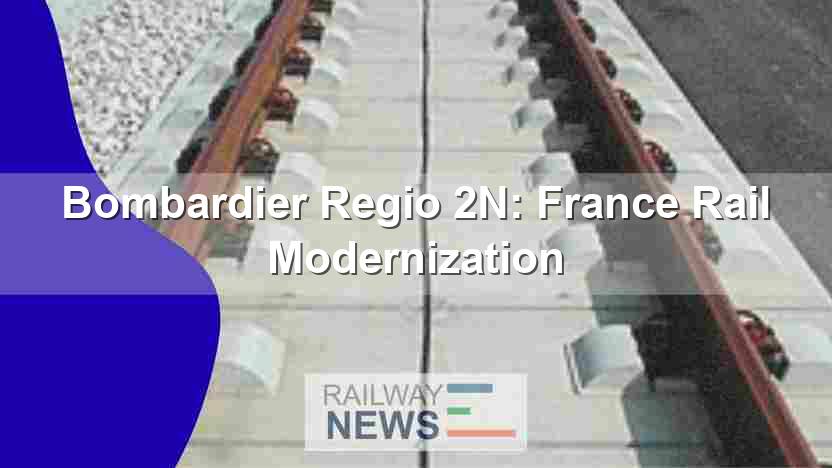
This article explores the significant contract between Bombardier Transportation and the Société nationale des chemins de fer français Mobilités (SNCF) (National Company of French Railways), focusing on the delivery of nine additional Regio 2N double-decker trainsets for the Ile-de-France Mobilités (Greater Paris public transport authority). The agreement, valued at approximately $120 million, represents a further investment in modernizing the SNCF Transilien network, building upon a larger contract originally signed in 2010. This expansion highlights the ongoing need for reliable, high-capacity rolling stock to meet the demands of a growing commuter population in the Paris region. We will examine the technological advancements incorporated into the Regio 2N trains, the broader context of this order within SNCF’s modernization strategy, and the positive impacts these trains are expected to have on passenger experience and overall network efficiency. The analysis will consider the strategic implications of this order for both Bombardier and the French railway system.
The Regio 2N: A Technological Advance for Suburban Rail
The Regio 2N trainsets are not merely an update to existing rolling stock; they represent a significant leap forward in passenger comfort and operational efficiency. Key features include optimized passenger flow facilitated by uncluttered onboard access platforms, ensuring smoother boarding and disembarking, even during peak hours. The trains are fully air-conditioned, providing a comfortable travel experience regardless of external weather conditions. Additionally, the integration of dynamic travel information systems keeps passengers informed about their journey in real-time, minimizing confusion and anxiety. The provision of power outlets allows passengers to charge electronic devices, catering to the needs of modern commuters. This detailed design addresses numerous passenger pain points and contributes to a more positive overall travel experience. The advanced automation systems contribute to reliable operation and network efficiency.
Expanding the Transilien Network’s Capacity and Modernization
This order of nine Regio 2N trains adds to the existing fleet, bringing the total number of Regio 2N units ordered by SNCF to 134. This substantial investment underscores SNCF’s commitment to modernizing its Transilien network. The Regio 2N trains are specifically designed to meet the demands of the suburban lines serving Paris, addressing the challenges associated with high passenger volumes and the need for frequent, reliable service. The deployment of these trains on lines R, N, and D will directly improve the capacity and overall performance of these crucial commuter routes, reducing overcrowding and improving journey times.
Bombardier’s Role in French Rail Infrastructure Development
Bombardier’s involvement in this project highlights its significant position within the European railway industry. The company’s commitment to building reliable, highly automated trains showcases its expertise in advanced railway technology. The fact that the trains are designed and assembled in Northern France underscores the positive economic impact of this project, supporting local employment and fostering technological innovation within the country. This contract builds on a long-standing relationship between Bombardier and SNCF, further solidifying their collaborative efforts in modernizing French rail infrastructure.
A Modernization Strategy and its Impact
The addition of these Regio 2N trains forms a crucial part of Ile-de-France Mobilités’ broader strategy to upgrade the Parisian commuter rail network. The investment in modern, passenger-centric trains demonstrates a commitment to enhancing the quality of daily commutes for millions of passengers. The improved comfort, reliability, and capacity provided by the Regio 2N trains are expected to lead to increased passenger satisfaction and a more efficient and pleasant travel experience. This, in turn, can contribute to a shift towards public transportation, reducing reliance on private vehicles and alleviating traffic congestion in the Paris region. The substantial investment in the Francilien trains, intended for lines H, J, K, L, and P, further reinforces this commitment to a detailed modernization strategy.
Conclusions
The order of nine Regio 2N trainsets by SNCF from Bombardier represents a significant milestone in the ongoing modernization of the Île-de-France Mobilités’ commuter rail network. This addition to the existing fleet of 134 Regio 2N trains demonstrates a substantial commitment to enhancing passenger experience and improving overall network efficiency. The Regio 2N trains, built with modern amenities such as air conditioning, dynamic travel information systems, and power outlets, offer a significant improvement in passenger comfort and convenience. The trains’ optimized design improves passenger flow, further contributing to a smoother and more enjoyable commute. The deployment of these trains on lines R, N, and D will alleviate overcrowding and improve overall network capacity, addressing a crucial challenge in the high-demand Parisian suburban network. The collaboration between Bombardier and SNCF showcases the importance of partnerships between industry leaders and public transport operators in delivering cutting-edge railway solutions. Bombardier’s role in this project not only provides cutting-edge technology but also bolsters the French economy through employment and technological advancement in Northern France. The broader modernization strategy adopted by Ile-de-France Mobilités, which includes the substantial order of Francilien trains, demonstrates a long-term commitment to upgrading the entire commuter rail network, resulting in a more efficient, reliable, and passenger-friendly public transport system in the greater Paris area. The success of this initiative will likely serve as a model for other urban areas seeking to improve their public transport infrastructure.

Railway infrastructure, rolling stock and transport technologies specialist focused on global rail industry developments, high-speed rail systems, signaling technologies and freight transportation. Covering railway investments, public transport modernization, rail operations and international mobility projects across Europe, Asia and North America.
BENZER KONULAR
July 4, 2026 9:18 am
Intramotev deployed its TugVolt autonomous railcar in March 2025 at...
July 1, 2026 1:37 pm
NRHS awarded $187K to 34 U.S. rail heritage projects in...
July 1, 2026 6:37 am
Amtrak launched a small-plate dining program for Acela First Class...
July 1, 2026 8:49 am
The Short Line Training Center launched FRA-funded online DSLE and...
July 3, 2026 9:26 pm
CPKC completed a CA$800 million locomotive fleet renewal program, taking...
July 8, 2026 11:16 pm
Indian Railways confirmed the Namo Green Rail hydrogen train hit...