
Bombardier Mitrac Propulsion: Rail Innovations for Sustainable Transport
Optimize railway propulsion for a sustainable future. Discover how electrification and innovative technologies like Bombardier Mitrac propulsion are shaping the industry.

Optimizing Railway Propulsion Systems: A Critical Analysis
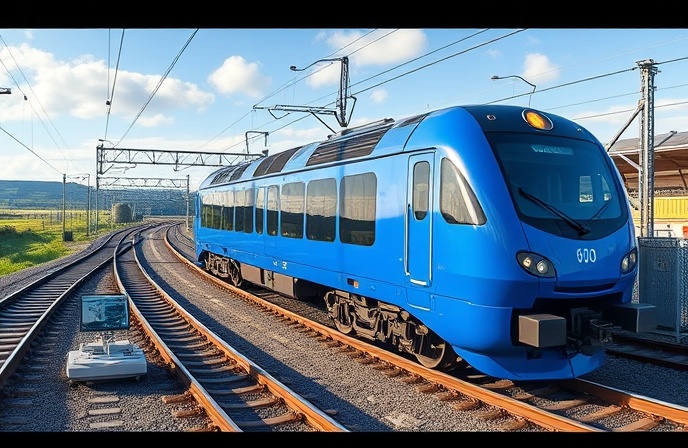
The railway industry is undergoing a period of significant transformation, driven by the need for greater efficiency, sustainability, and passenger comfort. A critical component of this evolution is the optimization of propulsion systems. This article delves into the current state of railway propulsion technologies, exploring the challenges and opportunities associated with their improvement. From traditional diesel-electric locomotives to advanced electric traction systems, the quest for enhanced performance, reduced emissions, and increased operational reliability is paramount. This analysis examines the factors contributing to the selection of specific propulsion technologies for various railway applications, considering the interplay between technical capabilities, economic viability, and environmental impact. We will also examine the role of innovative technologies like Bombardier Mitrac propulsion in shaping the future of railway transport.
You might be interested in:
Last December 2018, we published an article about sustainable transit solutions. Click here to read – Keolis Wins Odense Light Rail Contract: A Danish Success Story
1. The Evolution of Railway Propulsion Technologies
Railway propulsion has progressed from steam engines to the sophisticated electric and diesel-electric systems of today. Each generation has presented its own set of advantages and disadvantages in terms of efficiency, emissions, and maintenance. Understanding this historical context is crucial for appreciating the complexities of modern propulsion systems. Early systems, while rudimentary, laid the foundation for the powerful and versatile options available today, with a significant shift towards electrification in the 20th century driven by concerns about pollution and operational costs.
2. Electrification: The Path Towards Sustainability
Electrification, through overhead lines or third-rail systems, offers a substantial advantage in terms of environmental impact. Electric traction systems produce zero tailpipe emissions, contributing to cleaner air quality and a reduced carbon footprint. This chapter will delve deeper into the intricacies of different electrification schemes, considering the challenges of infrastructure development, integration with existing systems, and the optimization of power grids to meet the demands of electrified railways. This is particularly important as electrified systems are expected to play a critical role in achieving long-term sustainability goals for transit in the 21st century.
3. Diesel-Electric Locomotives: Balancing Efficiency and Cost
Diesel-electric locomotives remain a significant player in the railway sector, especially for long-haul freight and routes with limited or no electrification infrastructure. This chapter examines the ongoing improvements in diesel technology, with focus on optimizing fuel efficiency and reducing noise levels. It also addresses the challenges of maintaining diesel-based operations in the face of growing environmental regulations and increasing demand for sustainability. Specific considerations include the use of advanced diesel engines, optimized transmission systems, and strategies to minimize emissions during operation.
4. The Future of Propulsion: Emerging Technologies
Future railway propulsion systems are expected to leverage advancements in battery technology, hydrogen fuel cells, and innovative magnetic levitation (maglev) systems. This chapter explores the potential of these cutting-edge technologies, emphasizing their potential for significantly enhancing energy efficiency and reducing environmental impact. It highlights the significant R&D efforts being undertaken by industry players to develop these systems, along with the economic and societal benefits they could offer. This section will analyze the specific characteristics of Bombardier Mitrac propulsion and its role in this paradigm shift. The crucial factors in successful integration, such as infrastructure upgrades and regulatory frameworks, will be addressed.
Conclusions
The optimization of railway propulsion systems is integral to the future of efficient, sustainable, and comfortable transportation. This article has highlighted the evolution of propulsion technologies, emphasizing the shift towards electrification and the continued role of diesel-electric systems in the existing infrastructure. The emergence of cutting-edge technologies, including hydrogen fuel cells and innovative propulsion systems such as the Bombardier Mitrac propulsion, presents both challenges and opportunities. Addressing these requires a multi-faceted approach, encompassing infrastructure improvements, technological advancements, and careful consideration of economic factors.
Electrification is undoubtedly a key element for long-term sustainability. It offers a clear path to reducing emissions and enhancing the overall environmental footprint of rail operations. However, the transition towards electrification must consider the associated infrastructure requirements, such as overhead lines or third-rail systems, along with the complexity of integrating these systems into existing networks.
Diesel-electric locomotives, while retaining a role in specific applications, face increasing pressure to adapt to stricter emission regulations. Efficiency gains and the use of advanced technologies are critical to ensuring their continued viability in a sustainable transportation landscape. Innovations like Bombardier Mitrac propulsion represent a significant leap forward, offering solutions for increased efficiency and quieter operation.
Ultimately, the successful optimization of railway propulsion depends on a collaborative effort between industry players, policymakers, and research institutions. Investing in research and development, strategically planning infrastructure upgrades, and formulating comprehensive environmental regulations will be essential to driving progress and ensuring the long-term viability of rail transport as a key element in the transition toward a more sustainable future.
RELATED POSTS
August 8, 2025 7:33 am
Alstom delivers first Traxx Universal locomotive to Romania, part of...
May 27, 2023 7:35 am
Hitachi Rail’s Extended Maintenance Contract with Great Western Railway: A...
September 4, 2020 6:44 pm
This article explores the crucial role of advanced technology in...

June 29, 2025 5:33 am
Alstom deploys ERTMS on Sweden's Iron Ore Line, boosting freight...
August 8, 2025 12:33 pm
Smarter Mobility Africa Summit in Johannesburg focuses on Africa's transport...

September 5, 2018 9:53 am
Alstom together with China Steel Co., KMRT and Kaohsiung city...