
BNSF’s LA-Houston Intermodal: Rail vs Trucking Strategy
BNSF launches 3-day intermodal service between LA and Houston, challenging trucking.

BNSF Launches Expedited Intermodal Service Between Los Angeles and Houston, Targeting Trucking Market
BNSF Railway has introduced a new expedited intermodal service connecting Los Angeles and Houston, promising third-day delivery. This strategic move aims to directly challenge over-the-road (OTR) freight transport, offering shippers a faster, more reliable, and potentially more cost-effective option. The service, operational since July 10, 2024, focuses on the crucial freight corridor between the West Coast and the Gulf Coast, representing a significant investment in BNSF’s Southern Transcon route. This article will delve into the specifics of this new offering, examining its operational design, strategic implications, and potential impact on supply chain efficiency and the competitive landscape of the rail freight industry. The “Who” is BNSF, the “What” is an expedited intermodal service, the “When” is July 10th, the “Where” is between Los Angeles and Houston, the “Why” is to compete with OTR trucking, and the “How” is by leveraging the existing Southern Transcon network for improved transit times.
Enhancing the Southern Transcon Corridor: The Backbone of Intermodal Strategy
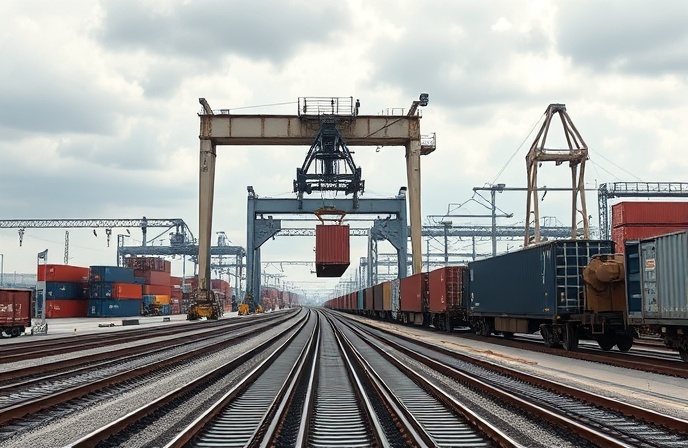
The new expedited service is built upon BNSF’s well-established Southern Transcon corridor, a 2,200-mile freight route stretching from Southern California to Chicago. This corridor is crucial for moving consumer goods from West Coast ports to inland markets. By leveraging the existing infrastructure of the Southern Transcon, BNSF can offer the expedited service with a relatively short lead time. Investments in this crucial route, including signalling, double-tracking, and terminal infrastructure, have enabled higher service levels, putting the railroad in a stronger position to compete against trucking. The new service utilizes the Hobart intermodal terminal in Los Angeles and the Pearland facility near Houston, targeting shipments requiring speed and consistency, especially those currently moving from Dallas-Fort Worth to Houston by truck. This strategic terminal pairing is fundamental to the service’s ability to offer a viable alternative to long-haul trucking.
Operational Design and Target Market for Expedited Transit
The service is specifically designed to address the needs of shippers seeking time-sensitive cargo solutions. With a three-day transit time, BNSF aims to attract freight currently moving via OTR transport. The targeted market includes customers moving goods from Dallas-Fort Worth to Houston by road. The new service offers a competitive option, providing a more reliable and cost-effective alternative. BNSF Group Vice President, Consumer Products, Jon Gabriel, highlights the strategic significance: “By continuing to create more opportunities to convert over-the-road (OTR) freight to rail, we provide a cost-effective, direct solution to bring freight to the dynamic and growing Houston area.” The intermodal strategy seeks to convert freight from less efficient transportation methods.
Addressing Supply Chain Resilience and Environmental Benefits
Beyond enhanced speed and cost-effectiveness, the new intermodal service is poised to contribute to greater supply chain resilience. By reducing reliance on trucking, BNSF anticipates a decrease in highway congestion, which often leads to delays. The transition from OTR to rail offers environmental benefits as well. The shift towards intermodal transport generally results in reduced emissions per ton-mile compared to long-haul trucking, supporting sustainability initiatives. The service aims to directly address supply chain vulnerabilities, like fluctuating fuel prices, driver shortages, and weather-related disruptions that disproportionately affect OTR transport.
Focus on Key Growth Markets and Future Expansion
The decision to launch the expedited service between Los Angeles and Houston was driven by increasing demand for direct intermodal connections into the Gulf Coast region. Houston, a major freight hub, is a strategically significant area due to its connections to the petrochemical, energy, manufacturing, and consumer sectors. BNSF’s investment in the Pearland intermodal facility is intended to enhance freight flow into and out of this region, illustrating the long-term investment in the market. The company plans to actively monitor service performance, track market uptake, and explore opportunities for future expansion based on demand, potentially including new routes and service enhancements.
Conclusion
BNSF’s launch of the expedited intermodal service between Los Angeles and Houston represents a strategic move to capture market share from the trucking industry. By leveraging its Southern Transcon network and focusing on time-sensitive cargo, BNSF is positioned to provide a competitive, cost-effective, and environmentally conscious transportation solution. This initiative reflects a broader trend within the rail industry to offer more efficient, reliable services tailored to specific customer needs, contributing to greater supply chain resilience. The success of this service hinges on BNSF’s ability to deliver on its promise of third-day delivery and competitive pricing, which will encourage modal conversion. Looking ahead, the increasing demand for intermodal solutions and the need for sustainable freight options will likely continue to drive innovation and investment in rail infrastructure, further strengthening the competitiveness of rail transport. Continued investment in terminal capacity and signaling systems will be critical to supporting growth and future network expansion.
Company Summary (Optional)
BNSF Railway, a Berkshire Hathaway company, is one of North America’s leading freight railroads, operating over 32,500 route miles across 28 states and three Canadian provinces. BNSF is a major player in the U.S. freight transportation system, moving a wide variety of commodities including agricultural products, consumer goods, and industrial products. Its intermodal operations, which involve the transport of freight in containers and trailers, are a significant component of its business, reflecting the company’s commitment to efficiency and customer service. BNSF’s commitment to investing in its infrastructure is a core strategy to increase capacity and reliability. The Southern Transcon corridor is a critical artery, linking the Pacific Coast with the heartland of the United States and providing direct access to the growing markets in Texas.
RELATED POSTS

October 3, 2017 9:36 pm
Outdated rail infrastructure hinders safety and efficiency. Upgrade your...
September 19, 2018 6:15 am
HS2: Thousands of jobs created, skills boosted, and UK...

August 30, 2009 2:05 am
Iran has signed €17bn ($24bn) worth of agreements with foreign...
July 11, 2016 12:52 pm
As part of the East Coast Digital Programme, Welwyn Garden...
September 16, 2025 11:55 am
ÖBB expands Vienna South freight hub, boosting capacity by 44%...

March 7, 2025 4:15 pm
Introduction This article explores the significant milestone achieved by Siemens...