
Birmingham, JR East: Rail Innovation Partnership
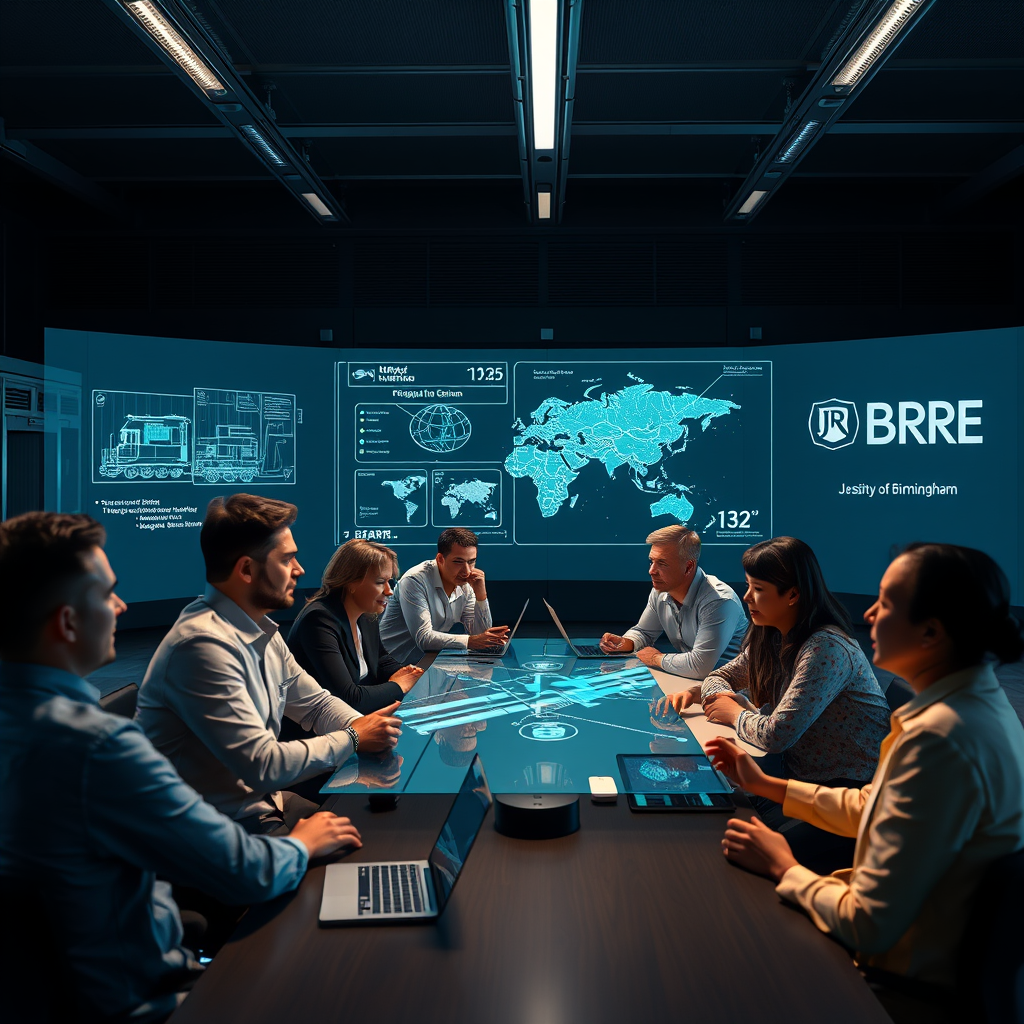
A Strategic Partnership: The University of Birmingham and JR East Collaborate on Rail Innovation
This article explores the significant partnership between the University of Birmingham’s Centre for Railway Research and Education (BCRRE) and East Japan Railway Company (JR East), focusing on its potential to revolutionize the global rail industry. The collaboration, formalized through a Memorandum of Understanding (MoU), signifies a crucial step towards fostering innovation in rail technology and workforce development. The partnership encompasses a wide range of initiatives, including the establishment of an innovation hub in JR East’s Takanawa Gateway City development in Tokyo, joint research projects focusing on digital transformation and decarbonization, and a dedicated education program for railway personnel. This synergistic relationship leverages the BCRRE’s expertise as Europe’s largest academic rail research center and JR East’s prominent position within the Japanese rail sector, promising advancements in various crucial areas impacting the future of rail transportation. The combined resources and knowledge will drive significant progress in addressing challenges such as improving operational efficiency, enhancing passenger experience, and creating a more environmentally sustainable railway system.
Driving Technological Advancements
The collaboration between BCRRE and JR East is poised to accelerate the development and implementation of cutting-edge rail technologies. BCRRE’s world-class research capabilities, combined with JR East’s practical operational experience, create a powerful synergy. Joint research projects focusing on digital transformation will likely lead to innovations in areas such as centralized train control systems (using cloud-based technologies), advanced signaling systems, and predictive maintenance strategies. These advancements will contribute to enhanced operational efficiency, improved safety, and reduced delays. Furthermore, the partnership will focus on decarbonization, exploring solutions for reducing the environmental impact of rail operations through the adoption of electric locomotives and the optimization of energy consumption. The integration of sustainable technologies will be a major focus.
Fostering a Skilled Rail Workforce
The partnership emphasizes the crucial role of education and training in driving advancements within the rail industry. The establishment of a comprehensive education program for railway personnel represents a significant commitment to upskilling and reskilling the workforce to meet the evolving demands of modern rail systems. This program will equip professionals with the knowledge and skills necessary to operate and maintain the latest technologies, contributing to a more efficient and skilled workforce capable of managing future challenges.
The Role of the Rail Innovation Cluster
JR East’s active participation in the BCRRE’s Rail Innovation Cluster further underscores the importance of collaboration and knowledge sharing within the industry. By connecting with UK and European rail startups, JR East gains access to a diverse pool of innovative ideas and technologies. This collaboration fosters a dynamic ecosystem where established players and emerging innovators can work together to solve complex challenges and accelerate the adoption of new solutions. This network effect extends beyond individual companies, benefiting the wider rail sector through increased competitiveness and the creation of a more sustainable industry.
Building a Sustainable Rail Future
The partnership between the University of Birmingham’s BCRRE and JR East represents a significant step towards building a more sustainable and efficient future for the global rail industry. The collaboration’s multifaceted approach, encompassing technological advancements, workforce development, and industry collaboration, offers a comprehensive strategy for addressing the key challenges facing the sector. The joint research projects on digital transformation and decarbonization will lead to innovative solutions that improve operational efficiency, enhance safety, and reduce environmental impact. The establishment of an innovation hub and the active participation in the Rail Innovation Cluster will foster an environment of continuous innovation and knowledge sharing. The education program will equip the future workforce with the skills and knowledge to effectively manage and maintain these advanced technologies. This collaboration serves as a powerful model for international partnerships that can drive significant and lasting advancements within the rail industry, ensuring its continued relevance and success in the years to come. The success of this collaboration will not only impact the Japanese and UK rail sectors but will also serve as a benchmark for international collaboration and innovation in the rail industry globally. The focus on sustainable solutions will contribute towards a greener and more efficient transport network, demonstrating a strong commitment to environmental stewardship and responsible innovation.
RELATED POSTS

January 13, 2026 4:39 am
CN and BNSF challenge the $85 billion Union Pacific-Norfolk Southern...

September 19, 2021 4:56 am
Serbia’s Ambitious Railway Modernization Plan: A Deep Dive into Infrastructure...
June 6, 2025 7:01 am
**Option:**GBP 15.6 billion fuels massive upgrades for England's city region...
July 9, 2022 10:16 pm
The Foothill Gold Line Light Rail Project: A Mid-Construction Assessment...

Africa, Botswana, Business, Future Projects, Infrastructure, Namibia, News, Past Railway News, Projects
October 10, 2009 8:27 pm
The pre-feasibility study for a new rail network to connect...
May 30, 2025 3:01 pm
Skanska Awarded $167 Million Contract for Skoyen Metro Station in...