
Berlin S-Bahn: Automated Obstacle Detection Tested
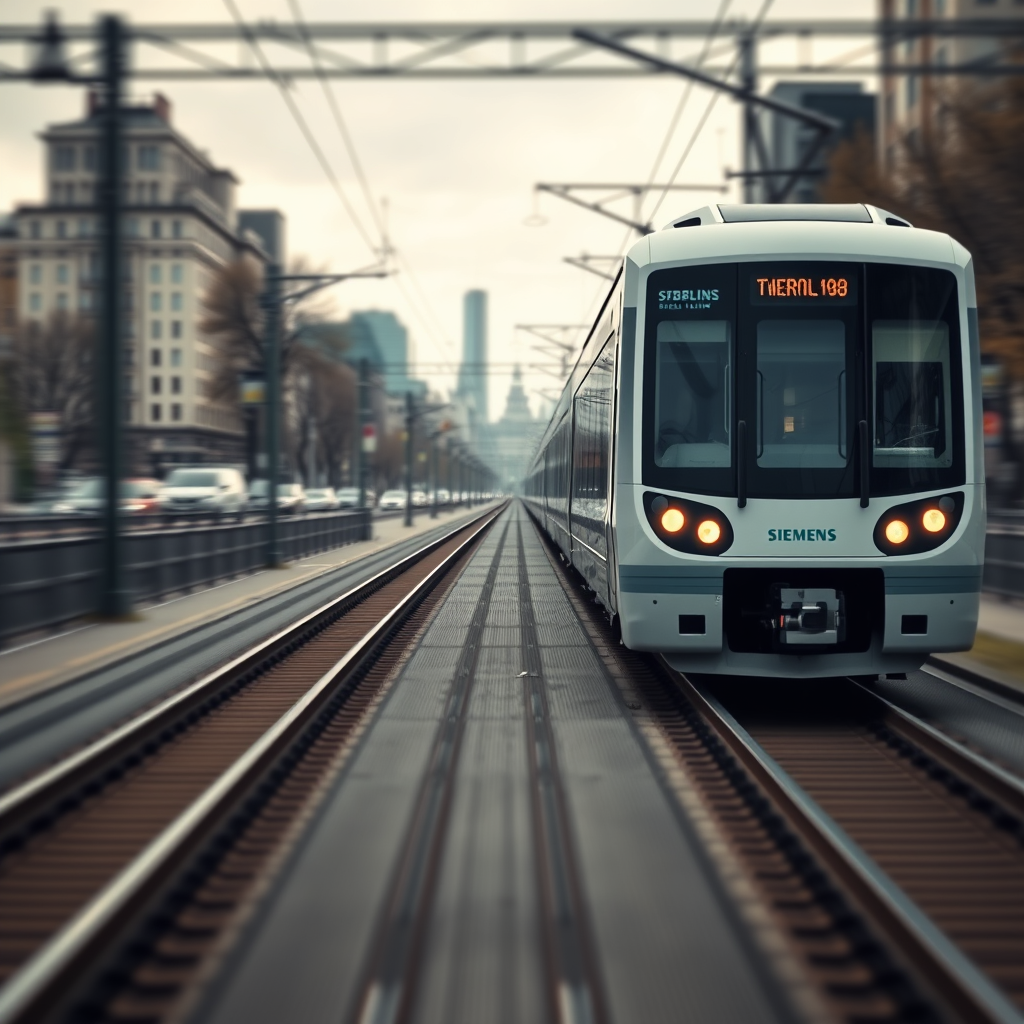
Automated Obstacle Detection System Testing on the Berlin S-Bahn
This article explores the ongoing testing of a novel automated obstacle detection system on the Berlin S-Bahn (S-Bahn Berlin), a significant development in the advancement of autonomous train operations. The integration of this technology, spearheaded by Siemens Mobility in collaboration with S-Bahn Berlin and DB InfraGo (Deutsche Bahn Infrastructure), represents a crucial step towards enhancing safety and efficiency within the German railway system. The project is part of the Digital Rail Germany (DRG) initiative, demonstrating a commitment to innovation and modernization within the German rail industry. The successful implementation of this system holds significant implications for the future of railway transport, potentially revolutionizing operations through increased automation and reduced human error. The following sections will delve into the specifics of the system, the testing methodology, the involvement of various stakeholders, and the broader implications for the railway industry.
Sensor Technology and System Architecture
The core of the system is a suite of advanced sensors strategically positioned at the front of the Siemens 484 series S-Bahn trains. These sensors provide a comprehensive view of the track ahead, detecting potential obstacles with high accuracy. The type of sensors used has not been publicly specified by Siemens, but it is likely a combination of technologies providing redundancy and robustness in various weather conditions. The collected sensor data is processed onboard the train to enable rapid responses to detected obstacles. This sophisticated onboard processing avoids reliance on external communication networks, enhancing system resilience and reducing latency.
Testing Methodology and Data Acquisition
The initial testing phase focuses on data acquisition under real-world operating conditions. The system is currently operating in a passive mode, recording data related to track geometry, environmental factors (weather, lighting), and the detection of various objects along the route. This comprehensive data set is crucial for optimizing sensor placement and algorithms, ensuring reliable performance under diverse scenarios. The collected data will also inform the development of advanced algorithms capable of differentiating between genuine obstacles and false positives, crucial for safe and reliable automated braking.
Stakeholder Collaboration and Data Processing
This project is a collaborative effort involving Siemens Mobility (responsible for the system design and implementation), S-Bahn Berlin (operating the trains and providing real-world testing environments), and DB InfraGo (contributing its high-precision 3D digital mapping and open data platform). DB InfraGo’s involvement is particularly noteworthy, as their centimetre-accurate 3D maps provide essential contextual information for accurate obstacle detection and the mitigation of false alarms. This collaboration highlights the importance of integrating data from various sources to ensure the effectiveness and safety of the system.
Implications for the Future of Railway Operations
The successful implementation of this obstacle detection system represents a significant step toward fully autonomous train operation. Beyond enhanced safety, the technology paves the way for increased operational efficiency, particularly in shunting operations within depots. Autonomous shunting would reduce the need for human intervention, saving time and resources. Furthermore, this technology has broad implications for other rail networks worldwide, potentially improving safety and efficiency across the global railway sector. The experience gained from the Berlin S-Bahn trial will provide valuable insights for future deployments and refine the technology for broader applications.
Conclusions
The testing of Siemens’ automated obstacle detection system on the Berlin S-Bahn is a pivotal moment in the evolution of railway technology. This initiative, part of the larger Digital Rail Germany program, underscores a significant commitment to innovation and technological advancement within the German railway sector. The project’s success hinges on the successful collaboration between Siemens Mobility, S-Bahn Berlin, and DB InfraGo, each contributing unique expertise and resources. The current phase, focused on data acquisition and system optimization, is vital for refining the technology to ensure its reliability and safety under diverse real-world conditions. The system’s ability to accurately distinguish between genuine obstacles and false positives is paramount for preventing unintended emergency braking and maintaining the smooth and efficient operation of the S-Bahn network. The successful outcome of these tests promises to greatly enhance safety, pave the way for fully autonomous train operation, and contribute significantly to a more efficient and environmentally friendly railway system. The resulting data and lessons learned will not only benefit the Berlin S-Bahn but also have far-reaching implications for railway systems globally, potentially revolutionizing railway operations worldwide.
RELATED POSTS

March 26, 2021 8:41 am
The Indian railway system, a vast and intricate network, is...
October 2, 2025 1:54 pm
Stadler expands US **railcar** production! A new **welding shop** in...

November 19, 2007 9:00 pm
China’s Ministry of Railways says work has begun on 16...
April 10, 2025 10:15 am
This article explores the successful completion of Phase 1 of...
December 8, 2021 11:35 am
Introduction The devastating train collision in southwestern Czech Republic in...

February 19, 2025 4:33 am
The Expansion of Switzerland’s Integrated Air-Rail Network: Enhancing Connectivity and...