
Battery Trains Revolutionize North American Rail

Electrification of Non-Electrified Rail Lines in North America: A Focus on Battery-Powered Trains
The expansion of sustainable transportation options is a critical global challenge. Within the rail sector, this translates to a significant need for decarbonizing non-electrified lines, which represent a substantial portion of North American rail networks. This article examines the collaborative effort between Stadler, a leading rolling stock manufacturer, Utah State University (USU), and the ASPIRE (Advanced Sustainable Power and Infrastructure for Railways) Engineering Research Centre to develop and implement battery-powered passenger trains for the North American market. This initiative marks a significant step towards reducing carbon emissions and improving air quality in regions currently reliant on diesel locomotives. The project encompasses not only the design and construction of a battery-electric multiple unit (EMU) based on Stadler’s FLIRT Akku platform but also the crucial development of the necessary trackside charging infrastructure to support these trains’ operational range. This comprehensive approach addresses the key technical and infrastructural hurdles that have previously hindered the widespread adoption of battery-electric technology in passenger rail.
Stadler’s FLIRT Akku Technology and its Adaptation to the North American Market
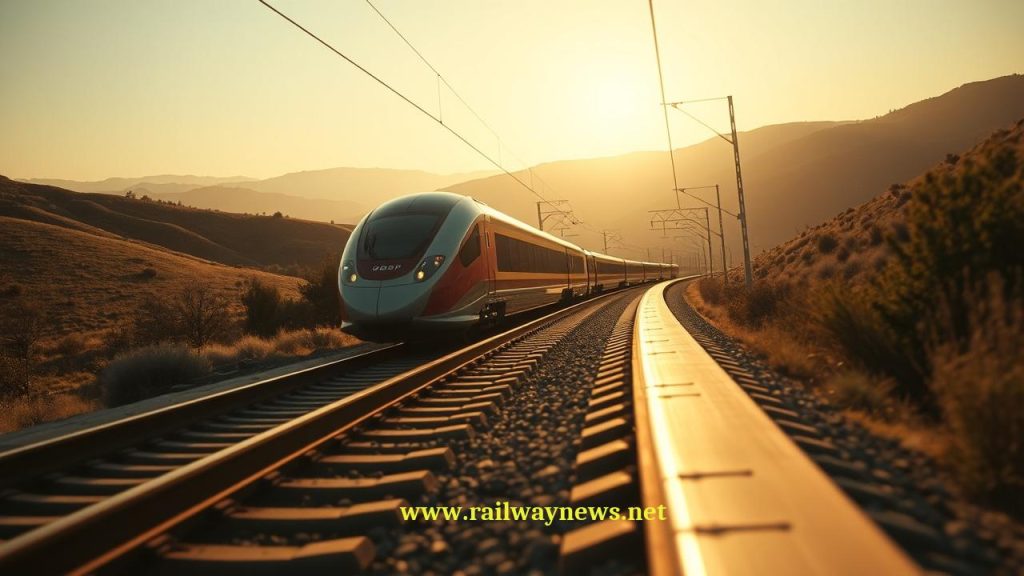
Stadler, known for its versatile FLIRT (Fast Light Innovative Regional Train) platform, is adapting its successful FLIRT Akku battery-electric multiple unit for the North American context. The FLIRT Akku is a lightweight, single-decker design offering a proven operational range of approximately 100 kilometers (62 miles) on a single charge. This range, while currently limited, is considered sufficient for many regional routes, particularly those with strategically located charging stations. The adaptation for the North American market necessitates modifications to meet specific safety regulations, gauge standards, and passenger comfort requirements. This includes design considerations for compatibility with existing track infrastructure and the integration of appropriate signaling and communication systems.
The Role of ASPIRE in Developing Trackside Charging Infrastructure
The success of battery-electric trains hinges on the availability of reliable and efficient trackside charging infrastructure. ASPIRE’s involvement is pivotal in this aspect. They are responsible for the research, design, and development of the charging stations that will enable the FLIRT Akku units to recharge rapidly during their operational cycle. This includes selecting appropriate charging technologies (e.g., pantograph-based systems, ground-level inductive charging), optimizing charging times, and ensuring the overall reliability and safety of the charging infrastructure. The development of robust and efficient charging infrastructure is critical to overcome range limitations and ensure the economic viability of battery-powered rail services.
Trial Operations and Data Acquisition
The project will include comprehensive trial runs of the developed FLIRT Akku EMU at Stadler’s Salt Lake City facility. These trials will provide crucial data on various operational aspects, including battery performance under different operating conditions, charging times and efficiency, and overall train performance. This data will be essential for refining the design, optimizing operational strategies, and providing evidence-based recommendations for future deployments. The data collected will contribute significantly to the understanding of battery-electric rail technology’s applicability to the specific operational challenges of the North American rail network. This information is crucial for regulatory bodies and potential operators in making informed decisions about future investments in this emerging technology.
Conclusions: Paving the Way for Sustainable Rail Transit in North America
The collaborative venture between Stadler, USU, and ASPIRE represents a significant advancement in the pursuit of sustainable rail transportation in North America. The successful development and deployment of battery-powered trains, such as the FLIRT Akku, presents a viable solution for decarbonizing non-electrified lines. This project goes beyond simply providing a new train; it addresses the entire ecosystem required for successful implementation. Stadler’s expertise in rolling stock design and manufacturing, combined with ASPIRE’s focus on developing the necessary trackside charging infrastructure, creates a synergistic approach to overcoming the key challenges associated with battery-electric rail technology. The trials conducted at Stadler’s Salt Lake City facility will yield invaluable data, informing future design iterations and demonstrating the practical feasibility of this technology on a North American rail network. The economic benefits, air quality improvements, and workforce development initiatives aligned with the project highlight the broader societal impact of this effort. The successful implementation of this initiative will significantly contribute to reducing greenhouse gas emissions, improving air quality in communities served by rail, and fostering the growth of a skilled workforce in the burgeoning field of sustainable transportation technologies. The project ultimately serves as a compelling model for other regions seeking to electrify their rail networks without the extensive infrastructure investment required by traditional electrification methods.
RELATED POSTS
Union Pacific earned an 80% top Class I railroad intermodal...
March 6, 2026 12:10 pm
Consortium Announces Digital Services Platform for UK Rail Sector A...

March 5, 2026 7:57 pm
Banedanmark launched battery train operations on Denmark's 67 km Skjern–Holstebro...

March 4, 2026 10:12 am
Amtrak and Siemens deploy 8 Airo trains for the U.S....
March 5, 2026 4:23 am
Renfe suspends Spain rail services on Madrid-Andalusia corridor until February...
March 6, 2026 4:07 pm
Digital Subscription Market Analysis Q1 2026 Analytics firm Antenna confirmed...