
Battery-Powered Trains: US Rail’s Green Revolution

The Rise of Battery-Powered Trains in the US: A Case Study of Vivarail’s Pop-Up Metro Initiative
The North American rail industry is undergoing a significant transformation, driven by the urgent need for sustainable and efficient transportation solutions. This article explores the burgeoning field of battery-electric multiple units (BEMUs) in the United States, focusing specifically on Vivarail’s pioneering work with its Pop-Up Metro project. The project leverages existing freight rail lines to create cost-effective, rapid-deployment transit systems in urban areas. This initiative challenges traditional perceptions of rail infrastructure development, showcasing the potential for quicker, cheaper, and more environmentally friendly solutions to urban mobility challenges. The integration of advanced battery technology, specifically Lithion Battery’s Valence modules, is a critical aspect of this transformation, significantly altering the viability and appeal of light rail and commuter rail solutions across the US. This exploration will analyze the technological advancements, economic implications, and broader societal benefits inherent in this innovative approach to rail transit development.
Retrofitted Railcars and the Pop-Up Metro Model
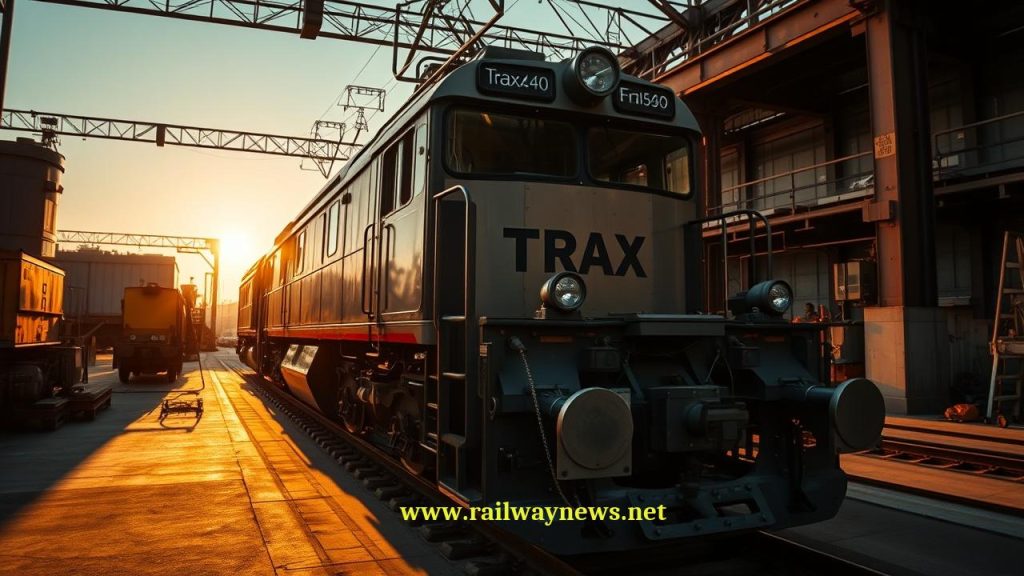
Vivarail, a British rolling stock manufacturer specializing in battery trains, has spearheaded the introduction of a groundbreaking battery-powered train in the United States. This accomplishment was achieved by retrofitting existing railcars with Lithion Battery’s Valence battery modules, a lithium iron phosphate (LFP) battery system. This retrofitting approach is a core element of the Pop-Up Metro initiative, backed by the Railroad Development Corporation (RDC). Pop-Up Metro aims to revitalize underutilized freight lines in metropolitan areas, transforming them into functional transit corridors. This strategy circumvents the extensive time and capital investment typically associated with building new rail systems from scratch. The use of existing infrastructure significantly reduces the project’s overall cost and environmental impact. The speed of deployment offered by this model is a significant advantage, facilitating faster implementation compared to traditional rail projects.
Technological Advancements: Lithium Iron Phosphate (LFP) Batteries
The success of Vivarail’s project hinges on the integration of advanced battery technology. The Valence battery modules, manufactured at a new facility in Henderson, Nevada, utilize LFP chemistry. LFP batteries are known for their inherent safety, long lifespan, and suitability for demanding railway applications. Unlike some other lithium-ion battery chemistries, LFP batteries exhibit a lower risk of thermal runaway, a critical safety consideration for high-power applications like rail transport. Their longer lifespan translates into lower lifecycle costs and reduced maintenance requirements. The use of LFP batteries in this context marks a significant step forward in the development of reliable and sustainable rail systems. The robust nature and proven performance of these batteries directly contribute to the economic and operational feasibility of the Pop-Up Metro model.
Economic and Operational Benefits: A New Paradigm for Rail Development
The Pop-Up Metro initiative challenges traditional approaches to rail development. By leveraging existing infrastructure and adopting a phased, demonstration-based model, it reduces upfront capital expenditure and risks. This makes rail transit a more attractive option for municipalities and private developers with limited budgets or those hesitant to commit to large-scale, high-risk projects. The demonstration approach allows for a pragmatic, iterative refinement of the system based on real-world operational data, minimizing the potential for costly design flaws or unforeseen challenges. Furthermore, the reduced development timeline accelerates the delivery of much-needed public transportation options to communities in need, resulting in faster economic benefits and improved accessibility.
Conclusion: A Sustainable Future for Rail Transit
Vivarail’s Pop-Up Metro project, utilizing retrofitted railcars powered by Lithion Battery’s Valence LFP modules, represents a paradigm shift in the US rail industry. The project’s success demonstrates the viability of a more sustainable, economically efficient, and rapid-deployment approach to urban rail transit. By leveraging existing infrastructure and employing advanced battery technology, Pop-Up Metro overcomes many of the traditional barriers to rail expansion. The initiative has the potential to significantly expand the reach of rail transit into underserved communities and revitalize underutilized freight lines, creating positive economic and environmental benefits. The demonstration projects are crucial for showcasing the technology’s capabilities to potential customers, including private developers and public transportation systems. This model offers a flexible and scalable solution adaptable to diverse urban landscapes and budgetary constraints. Ultimately, the success of initiatives like Pop-Up Metro paves the way for a more widespread adoption of battery-powered trains, leading to a cleaner, more efficient, and sustainable future for rail transit in the United States and beyond.
RELATED POSTS
April 1, 2026 6:21 pm
Federal Transit Administration awarded $20.6 billion in formula-based apportionments to...
April 1, 2026 8:40 pm
BNSF Railway expands Galesburg, Illinois, yard capacity, with second hump...
April 1, 2026 12:10 pm
Alstom secured a €410 million contract from CFR SA to...
April 1, 2026 4:31 pm
Network Rail upgraded Berrylands station platforms for £6 million, replacing...
April 2, 2026 8:35 am
Alstom secured a €22 million contract with Mazovia Railways for...
April 2, 2026 2:33 am
RTD Denver suspends D, H, L light-rail service from June...