
Bangkok’s Pink Line: A Model for Sustainable Urban Rail
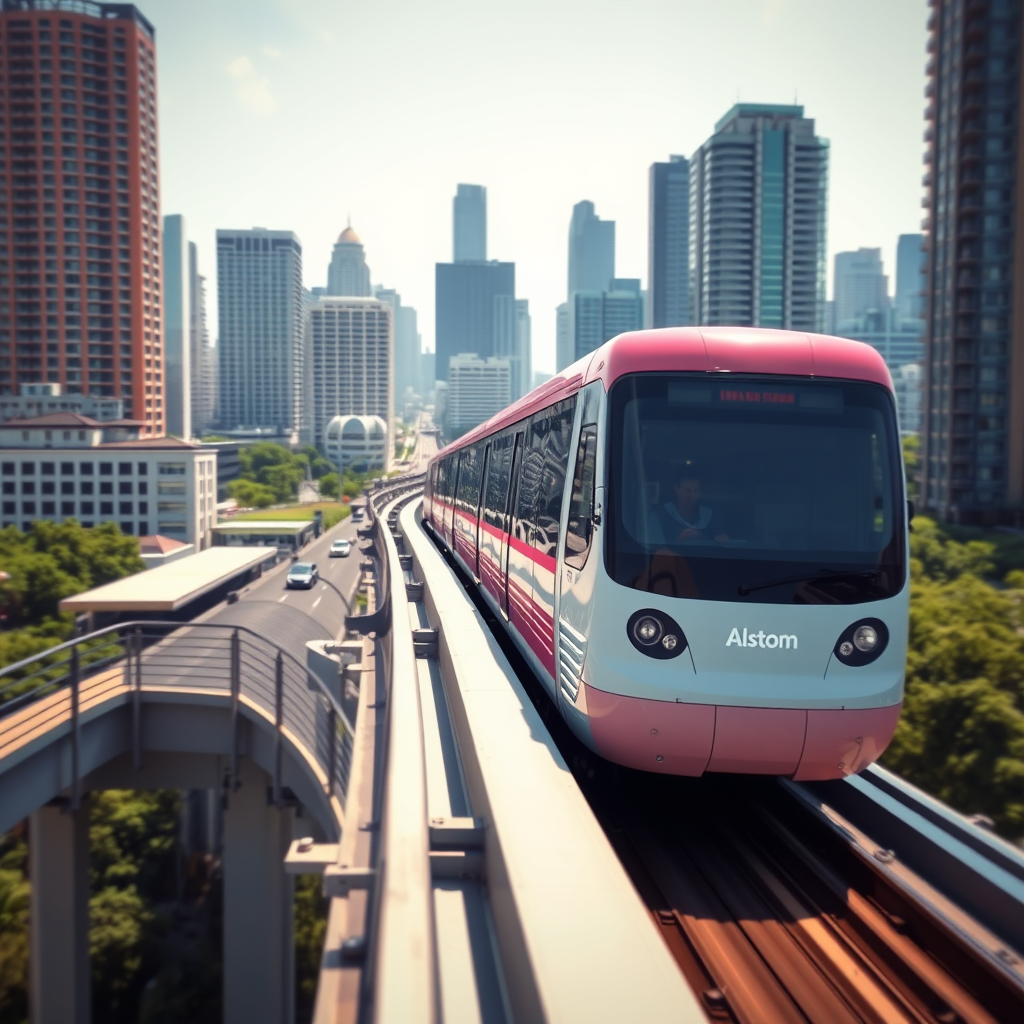
This article explores the recent inauguration of Bangkok’s MRT Pink Line, a significant addition to the city’s expanding mass rapid transit (MRT) network. The Pink Line, a 34.5 km automated monorail system featuring over 30 stations, represents a substantial investment in sustainable urban transportation for Bangkok and the surrounding Nonthaburi province. Its implementation highlights several key aspects of modern railway development, including the integration of advanced technologies, sustainable practices, and the crucial role of international collaborations in infrastructure projects. This analysis will delve into the technological advancements showcased by the Pink Line, its impact on urban connectivity and sustainability, the strategic partnerships involved in its development, and the broader implications for future railway projects in rapidly growing urban centers. We will examine the project from both a technological and socio-economic perspective, highlighting the complexities and successes inherent in such large-scale undertakings.
Technological Advancements on the Pink Line
The Pink Line’s implementation showcases cutting-edge technology in the field of automated monorail systems. Alstom’s Innovia monorail system, utilized on the Pink Line, represents a significant step forward in automated train control and passenger experience. This automated system allows for efficient and precise train operation, minimizing delays and maximizing passenger throughput. The system’s integration with existing MRT lines is also noteworthy, demonstrating seamless interoperability and improving the overall efficiency of Bangkok’s transit network. The use of advanced signaling and communication systems ensures safety and reliability, a critical consideration in any large-scale transit system. Further expansion plans to add two more stations by 2025 will further refine the system and expand its reach.
Enhanced Urban Connectivity and Sustainability
The Pink Line dramatically improves connectivity in the northern areas of Bangkok and Nonthaburi, serving over 5 million residents. By providing a faster and more efficient alternative to road travel, the Pink Line significantly reduces commute times, easing congestion and improving the quality of life for commuters. The project’s emphasis on sustainable transportation is also critical. By offering a greener alternative to private vehicles, the Pink Line contributes to reducing carbon emissions and promoting sustainable urban development. This aligns with global trends towards environmentally responsible public transit solutions, setting a positive example for other rapidly expanding cities.
Strategic Partnerships and International Collaboration
The successful implementation of the Pink Line underscores the importance of strategic partnerships and international collaboration in large-scale infrastructure projects. The collaboration between the Mass Rapid Transit Authority of Thailand (MRTA), Alstom, and CRRC Puzhen Alstom Transportation Systems (a joint venture) exemplifies a successful model of public-private partnerships (PPPs). This collaboration leverages the expertise of international players in technology and project management, combined with the local knowledge and regulatory frameworks of the Thai government. This synergy is crucial for overcoming the complex challenges associated with large infrastructure projects. This project model also signals Alstom’s significant investment in the Asian rail market.
Implications for Future Railway Projects
The success of the Bangkok Pink Line provides valuable lessons for future railway projects worldwide. The project’s focus on technological innovation, sustainability, and international collaboration highlights the key ingredients for successful implementation. The integration of automated systems, emphasis on interoperability, and sustainable design principles should serve as models for future projects in rapidly growing urban areas. Furthermore, the experience gained in managing such a complex project can inform strategies for mitigating risk and maximizing efficiency in future endeavors. The Pink Line demonstrates the transformational potential of well-planned and executed rail infrastructure projects in shaping urban landscapes and improving the quality of life for millions.
Conclusions
The inauguration of Bangkok’s MRT Pink Line marks a significant milestone in the development of sustainable and efficient urban transportation. This 34.5km automated monorail system, built through a successful partnership between the MRTA and Alstom, showcases state-of-the-art technology in automated train control and system integration. The Pink Line’s integration with existing MRT lines significantly enhances connectivity across Bangkok and Nonthaburi, improving commute times and offering a sustainable alternative to private vehicles for over 5 million residents. The project’s success highlights the benefits of strategic partnerships, combining international expertise with local knowledge to overcome the challenges associated with large-scale infrastructure projects. Looking ahead, the Pink Line serves as a compelling example for future rail projects globally, emphasizing the importance of technological innovation, sustainability, and effective public-private collaboration in creating efficient and environmentally responsible urban transport solutions. The success of the Pink Line points towards a future where advanced technologies and international partnerships are instrumental in building resilient, sustainable, and interconnected urban environments. The integration of the Pink Line into Bangkok’s existing network, the emphasis on a seamless passenger experience, and the commitment to a long-term maintenance plan through a 20-year service contract, all contribute to its overall success and demonstrate a model for sustainable and efficient urban rail development worldwide.
RELATED POSTS
March 23, 2025 11:18 am
The Manila Subway: A Case Study in Large-Scale Transit Infrastructure...

December 8, 2015 8:21 pm
UK rail infrastructure manager Network Rail (NR) has agreed to...

January 29, 2022 10:45 am
This article analyzes the surge in business optimism observed in...
June 19, 2025 8:00 am
Metro-North Railroad Unveils Heritage Locomotive No. 203, Celebrating 40 Years...
September 15, 2009 6:01 am
The Polish Rail Administration has awarded a PLN129m (approximately $45m)...
October 17, 2023 2:01 pm
This article analyzes the recent legal battle between Virgin Group...