
Bangalore Metro: Future Urban Rail Trends & Innovations
Urban rail is evolving! Optimize infrastructure, leverage tech, and embrace sustainability for a more efficient, safer future. Discover how!

The Future of Rail: Adapting to Urban Growth and Technological Advancements
The global transportation landscape is undergoing a significant transformation, driven by rapid urbanization and technological advancements. Rail systems, particularly in urban environments, are increasingly crucial for efficient and sustainable mobility. This article delves into the key considerations shaping the future of rail, examining the challenges and opportunities presented by these evolving dynamics. From optimizing existing infrastructure to adopting cutting-edge technologies, the rail industry must adapt to meet the demands of a growing population and stringent environmental regulations. The case study of the Bangalore Metro Project will highlight successful implementation strategies for urban rail development.
Infrastructure Optimization and Modernization
Efficient railway networks require not only robust infrastructure but also strategic planning and modernization. This involves optimizing existing track layouts, enhancing signaling systems, and upgrading rolling stock to increase capacity and reliability. Modernization efforts should incorporate advanced technologies like automated train operation (ATO) systems, reducing operating costs and improving safety. This will also increase ridership, contributing to the overall economic success of the urban rail transit systems. Moreover, effective integration with other modes of transport, such as bus systems and airports, is vital to ensure seamless passenger experience and wider accessibility.
Technological Integration for Enhanced Efficiency and Safety
Technological advancements offer significant potential for improving rail performance. Implementing advanced communication systems, such as those based on 5G or similar technologies, can streamline operations, provide real-time data analysis, and enhance safety measures. Precision positioning systems and data analytics can help optimize schedules, reduce delays, and enhance overall operational efficiency. Predictive maintenance models, based on sensor data, can enable proactive maintenance, preventing costly breakdowns and ensuring consistent service levels. Moreover, incorporating smart ticketing systems and mobile applications for passenger interaction fosters user-friendliness and improves customer experience.
Sustainability and Environmental Considerations
The rail industry is increasingly recognizing the importance of sustainability. Transitioning to electric or hybrid-powered locomotives is crucial for reducing environmental impact. Improved energy efficiency throughout the system, from train operation to signaling, will minimize carbon footprint. Moreover, the integration of renewable energy sources in railway operations further solidifies the commitment towards sustainable practices. Utilizing sustainable materials in construction and minimizing waste throughout the operation are key elements towards achieving sustainable transportation solutions. Adopting strategies that reduce emissions and maximize efficiency is not just a moral obligation but a necessity for long-term viability.
The Bangalore Metro Project: A Case Study in Urban Rail Development
The Bangalore Metro Project stands as a prime example of successful urban rail development. The project’s implementation highlights the importance of meticulous planning, strong community engagement, and effective stakeholder collaboration. The successful implementation of this project demonstrates how meticulous urban planning, strong community engagement, and effective stakeholder partnerships can drive transformative urban development. By integrating these principles, the Bangalore Metro Project exemplifies successful urban rail implementation, providing valuable lessons for future urban rail projects worldwide.
Conclusions
The future of rail hinges on a multifaceted approach. A combination of infrastructure optimization, technological integration, and a strong commitment to sustainability is essential for long-term success. This includes innovative solutions like automated train operation (ATO) and precision positioning systems, and the integration of renewable energy and sustainable materials. The success of the Bangalore Metro Project underscores the significance of community engagement and strategic planning in achieving sustainable and robust urban rail systems. By focusing on these key elements, the rail industry can effectively navigate the challenges and capitalize on the opportunities presented by rapid urbanization and technological advancement. The Bangalore Metro Project is a shining example of this adaptation in action, showcasing how strong planning and community engagement can produce transformative results. Ultimately, the rail industry must not only respond to the ever-growing demands of the future but also proactively shape its evolution, guaranteeing efficient, safe, and sustainable transportation solutions.
You might be interested in:
Last February 2019, we published an article about BNSF’s massive rail network investment. Click here to read – BNSF’s $3.57B Rail Network Investment: Growth Strategy
RELATED POSTS
September 2, 2020 2:02 am
Sydney Metro West: A Deep Dive into the Tunnelling Contracts...

Asia, Infrastructure, Metro Projects, News, Past Railway News, Projects, Saudi Arabia, Tenders, Urban
July 9, 2015 1:51 pm
A consortium led by Bechtel has started tunnelling work for...
October 31, 2024 7:41 pm
Vancouver SkyTrain, a pioneering Advanced Rapid Transit (ART) system, celebrates...
June 23, 2025 5:33 pm
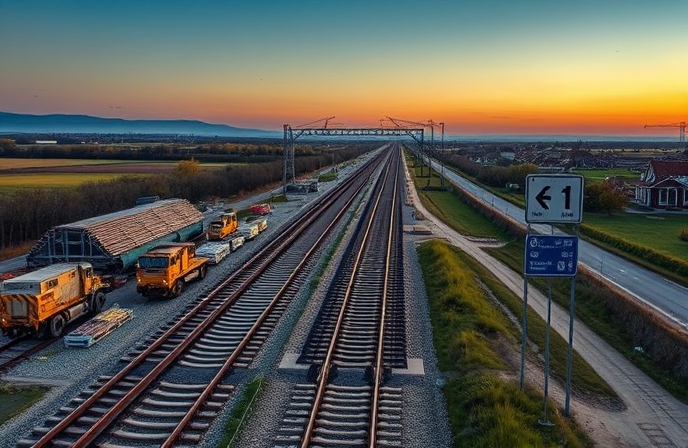
Croatia's Dugo Selo-Križevci rail line nears completion, a key modernization...
October 28, 2016 5:59 am
Here's a voiceover-friendly excerpt for railway professionals:"Melbourne's rail network is...
July 7, 2025 1:33 pm
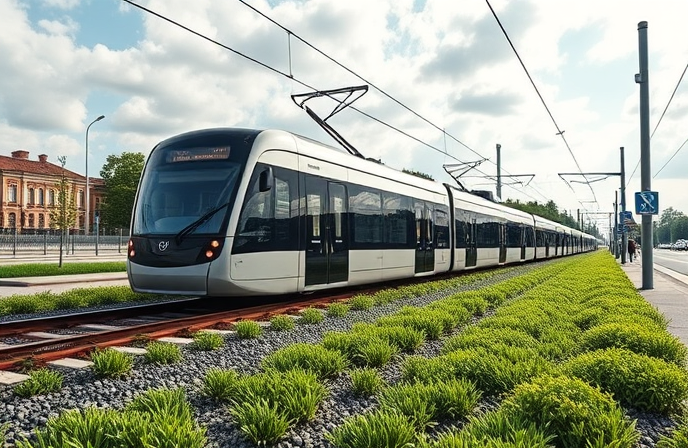
Warsaw's tram network expands, connecting Lower Mokotów to Central Station....