
Avanti West Coast’s Evero Fleet: A Rail Revolution
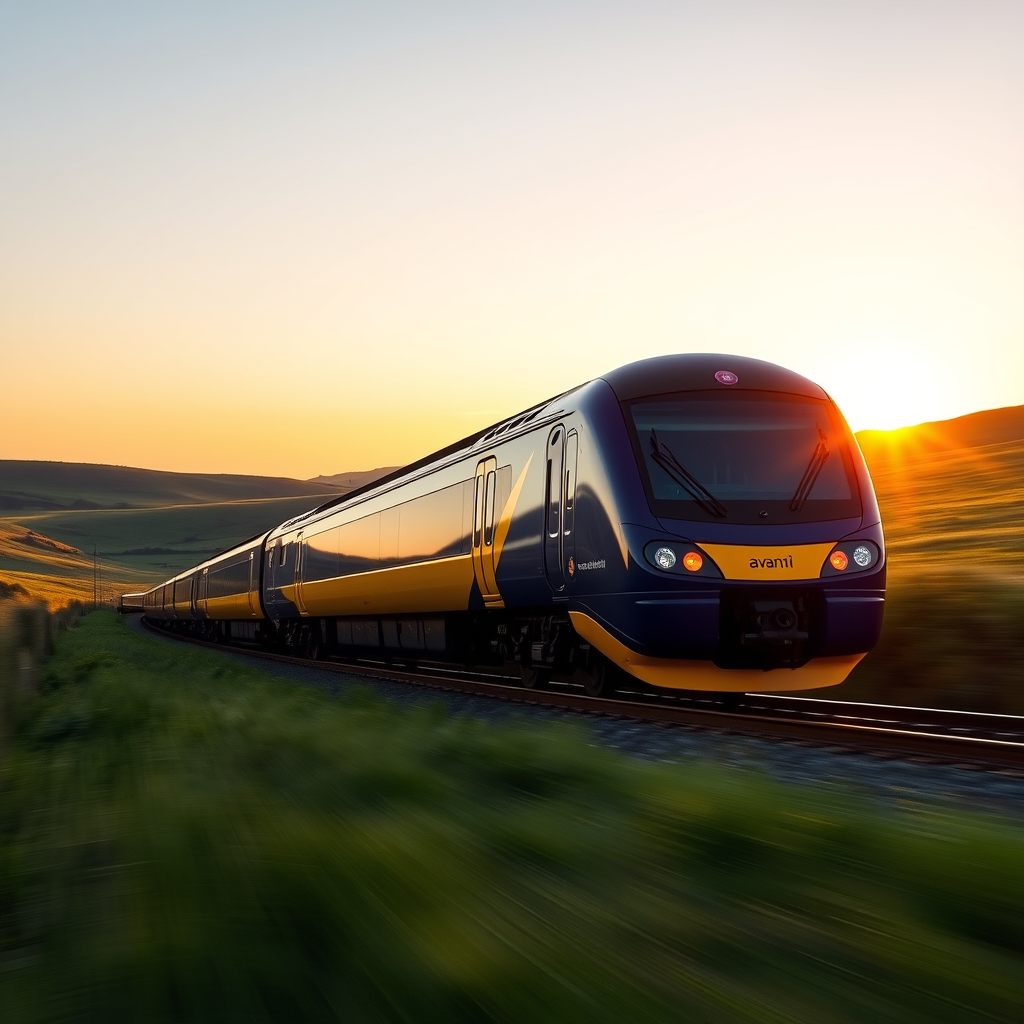
Avanti West Coast’s New Evero Fleet: A Modernization of the UK Rail Network
This article explores the recent introduction of the new Evero fleet by Avanti West Coast (AWC), a significant development in the modernization of the UK’s rail infrastructure. The £350 million ($447.5 million USD) investment represents a substantial commitment to enhancing passenger experience and operational efficiency along the West Coast Main Line (WCML) and beyond. This investment in new rolling stock signifies a broader trend within the UK rail industry towards improved passenger comfort, increased capacity, and enhanced sustainability. The introduction of the Evero fleet, coupled with a revised timetable, promises a significant uplift in service quality and operational reliability for AWC’s customers. The following sections will delve into the specifications of the new fleet, its operational impact, the significance of the investment, and the implications for the future of rail travel in the UK. This analysis considers not only the immediate benefits but also the wider context of ongoing infrastructure upgrades and technological advancements within the British railway system.
The Evero Fleet: Specifications and Capabilities
The Evero fleet comprises 23 new trains manufactured by Hitachi Rail, encompassing two distinct classes: 10 seven-carriage Class 807 electric multiple units (EMUs) and 13 five-carriage Class 805 bi-mode multiple units (BMUs). The Class 807 EMUs, designed for electrified sections of the network, will primarily serve routes between London, the West Midlands, and Liverpool. The Class 805 BMUs, capable of operating on both electrified and non-electrified lines, will focus on routes between London and North Wales. This mix of EMUs and BMUs allows for flexibility and optimal utilization across AWC’s diverse network. The trains incorporate modern passenger amenities, improved accessibility features, and enhanced onboard technology, contributing to a better overall passenger experience. The use of bi-mode technology in the Class 805 units represents a step towards greater operational flexibility, enabling services on lines with varying electrification levels.
Operational Impact and Network Integration
The introduction of the Evero fleet has directly impacted AWC’s operational capabilities. The initial deployment of six Class 805 trains on services between North Wales and Birmingham marked the beginning of a phased rollout. The increased capacity offered by the new trains, particularly the longer Class 807 units, will help address overcrowding issues on busy routes. Furthermore, the improved reliability and reduced maintenance requirements associated with new rolling stock are expected to contribute to improved punctuality and a more robust timetable. The integration of the new fleet into the existing AWC network required careful planning and coordination, especially concerning maintenance schedules and crew training. The maintenance of the Evero fleet is undertaken at Alstom’s Oxley depot in the West Midlands, utilizing existing infrastructure and expertise.
Financial Investment and Strategic Significance
The £350 million investment in the Evero fleet underscores AWC’s commitment to modernizing its operations and enhancing its service offering. This substantial investment is a key component of AWC’s strategy to improve customer satisfaction and solidify its position within the competitive UK rail market. The procurement process, which began in 2019 with the awarding of the contract to Hitachi Rail, involved rigorous testing and commissioning before the trains entered passenger service. The project’s successful completion demonstrates a significant capacity addition and a positive economic contribution to both the rail industry and the wider UK economy.
Future Implications and Sustainability
The introduction of the Evero fleet is not an isolated event but a part of a larger modernization effort within the UK rail sector. The use of electric trains (Class 807) contributes to environmental sustainability by reducing carbon emissions compared to older diesel-powered trains. The continued development of efficient and reliable electric rail infrastructure will be crucial for achieving future sustainability targets. The success of the Evero fleet implementation could serve as a model for future investment in rolling stock across the UK’s rail network. Future investments might focus on further electrification, improved signaling systems, and the development of even more energy-efficient technologies. Ongoing maintenance, continued technological advancements, and strategic capacity planning will be vital to ensuring the long-term success and sustainability of this significant investment.
Conclusions
The launch of Avanti West Coast’s Evero fleet marks a substantial milestone in the modernization of the UK’s rail infrastructure. The £350 million investment in 23 new Hitachi-built trains, comprising Class 807 EMUs and Class 805 BMUs, represents a significant commitment to improving passenger experience, operational efficiency, and sustainability. The phased introduction of the fleet demonstrates a well-planned approach to integration within the existing network. The project’s successful implementation highlights the benefits of strategic investment in modern rolling stock, leading to improved capacity, reliability, and punctuality. The choice of both electric and bi-mode trains demonstrates a forward-thinking approach that balances immediate operational needs with long-term environmental sustainability goals. The success of this project should serve as a model for future upgrades and modernization efforts across the broader UK rail network, paving the way for improved passenger journeys and a more sustainable future for rail transport.
Beyond the immediate benefits of enhanced passenger comfort and increased capacity, the Evero fleet’s introduction signifies a broader trend towards modernizing the UK’s rail infrastructure. The project’s success showcases the positive outcomes of strategic planning and investment in cutting-edge rail technology. The future of rail travel in the UK will depend on continued investment in both infrastructure and rolling stock, emphasizing sustainability and efficiency. This initiative sets a strong precedent for future investments in the UK’s rail network, promising enhanced connectivity, improved service reliability, and a more environmentally conscious approach to transportation.
RELATED POSTS

September 17, 2020 10:01 pm
Introduction This article delves into the significant developments surrounding India’s...
October 20, 2025 8:54 pm
CSX and CREATE celebrate the Forest Hill Flyover's debut! This...
November 6, 2020 1:18 pm
The Rise of Hydrogen-Powered Rail: A Technological and Economic Analysis...
January 28, 2026 12:39 pm
Lesser Poland Voivodeship ordered seven Newag Impuls EMUs for PLN...
March 28, 2022 9:30 am
This article explores the strategic partnership between Alstom, a leading...
March 21, 2025 11:58 am
This article examines the significant financial injection received by Transnet,...