
Australia’s Rail Workforce Crisis: A Looming Shortage
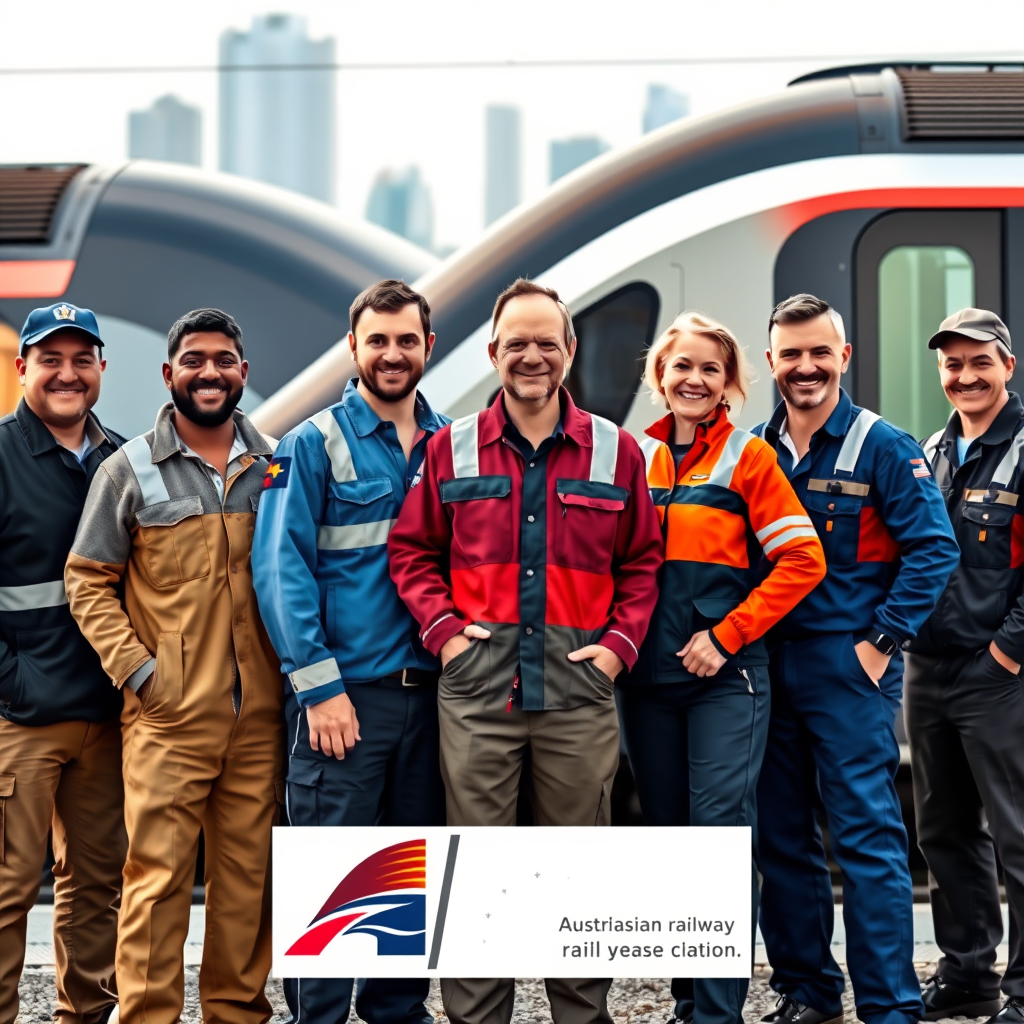
Australia’s Looming Rail Workforce Crisis: A Critical Analysis
The Australian railway industry is on the cusp of a significant workforce crisis. A recent report by the Australasian Railway Association (ARA), prepared in collaboration with the UK’s National Skills Academy for Rail (NSAR), paints a stark picture: a potential 35% reduction in the workforce by 2035 due to a wave of retirements. This “retirement cliff” is exacerbated by an already existing shortfall of 70,000 workers in 2024. This impending shortage poses a severe threat to Australia’s ambitious rail infrastructure investment plans, totaling $154 billion over the next 15 years. These investments, encompassing crucial city-shaping projects nationwide, will require a robust and skilled workforce to execute effectively. The current demographic trends, coupled with emerging technological demands, necessitate a comprehensive strategy to address this critical issue. This article will delve into the specifics of the impending workforce shortage, analyze its root causes, and propose potential solutions to mitigate its impact on the Australian rail system.
The Aging Workforce and the Retirement Cliff
The ARA report highlights a concerning trend: over one-third of the Australian rail workforce is over 50 years old, with a significant proportion (10%) over 60. Conversely, only 4% of the workforce is under 25. This skewed age distribution creates a significant vulnerability, as a large segment of experienced professionals will reach retirement age within the next decade. The report specifically identifies eight roles at high risk of experiencing severe workforce shortages due to this impending retirement wave: train drivers, rail testers, operations managers, IT and technology assistants, customer service managers, maintenance technicians, heads of transport planning, and learning and development managers. The average age of 45 across the industry underscores the urgency of this situation.
The Skills Gap and Emerging Technological Demands
The impending retirement wave is not the sole challenge facing the Australian rail industry. The report also emphasizes a current workforce shortfall of 70,000, highlighting the existing skills gap. This gap is further complicated by the evolving technological landscape of the rail sector. The push towards decarbonization and the adoption of new technologies, such as battery-electric solutions, requires a workforce with specialized skills in areas currently underrepresented. The lack of skilled professionals in these emerging technologies will hinder the successful implementation of sustainable and efficient rail systems. This requires proactive training and recruitment initiatives to bridge this growing skills divide.
Addressing the Workforce Crisis: A Multi-pronged Approach
Addressing the multifaceted challenges confronting the Australian rail industry requires a coordinated and multi-pronged approach involving both industry stakeholders and government. The ARA’s existing initiatives, such as the “Work in Rail” campaign and targeted programs aimed at increasing female participation, are commendable first steps. However, a more comprehensive strategy is needed. This includes targeted recruitment campaigns to attract young people to the rail industry, highlighting the rewarding career paths and opportunities available. Simultaneously, robust training and upskilling programs are crucial to equip the existing workforce with the necessary skills for emerging technologies and to prepare the next generation of rail professionals. Government support is vital to fund these initiatives and create an attractive regulatory environment.
Conclusion: Securing Australia’s Rail Future
The Australian railway industry stands at a critical juncture. The looming “retirement cliff” and the existing skills gap threaten the successful execution of significant infrastructure investments and the future sustainability of the sector. Addressing this requires a concerted effort from all stakeholders. The ARA’s report serves as a wake-up call, highlighting the urgency of the situation. A multi-pronged approach involving industry-led initiatives, government support, and targeted recruitment and training programs is essential. The success of this approach hinges on creating an attractive and inclusive environment within the rail industry, emphasizing the rewarding careers it offers. By actively promoting the sector, investing in education and training, and fostering diversity, Australia can ensure a robust and skilled workforce to drive its rail industry forward, supporting economic growth and sustainable transportation solutions. This proactive strategy will be vital in securing the long-term viability and success of Australia’s vital rail infrastructure and prevent the negative consequences of a severe workforce shortage.
RELATED POSTS

October 9, 2016 8:12 am
Maharashtra invests ₹1,400 crore in the Wadsa-Gadchiroli railway line, aiming...
October 19, 2023 2:05 am
Alstom’s H1 2023 Results: A Deep Dive into the Share...
September 29, 2020 9:20 am
Enhancing Railway Capacity: The Ely Area Capacity Enhancement (EACE) Programme...

November 9, 2025 12:54 am
Hitachi Rail modernizes Seville Port's signaling for a new freight-rail...
June 24, 2020 9:54 pm
High-Speed Rail Development in South Korea: The GTX-A Line and...

January 30, 2026 8:39 am
Deutsche Bahn and Alstom test remote-controlled S-Bahn trains in Munich,...