
Australia’s $1B Rail Resilience Plan: Climate-Proofing the Network
Introduction
Australia’s vast and vital rail network, a critical artery for its economy, faces increasing threats from extreme weather events. Flooding and wildfires are causing significant damage to infrastructure, disrupting freight and passenger services, and impacting the national supply chain. This article examines the Australian Federal Government’s recent A$1 billion ($660 million USD) investment in rail resilience, focusing on the strategic importance of this funding, the specific projects it will support, and the long-term implications for the nation’s freight and passenger rail operations. The investment forms part of a larger A$13.2 billion rail infrastructure investment program, highlighting the government’s commitment to modernizing and fortifying its rail network against the growing challenges posed by climate change. This significant commitment necessitates a detailed analysis of its allocation, its impact on key regions, and the broader economic benefits it promises to deliver for both businesses and citizens.
Addressing Climate Change Impacts on Rail Infrastructure
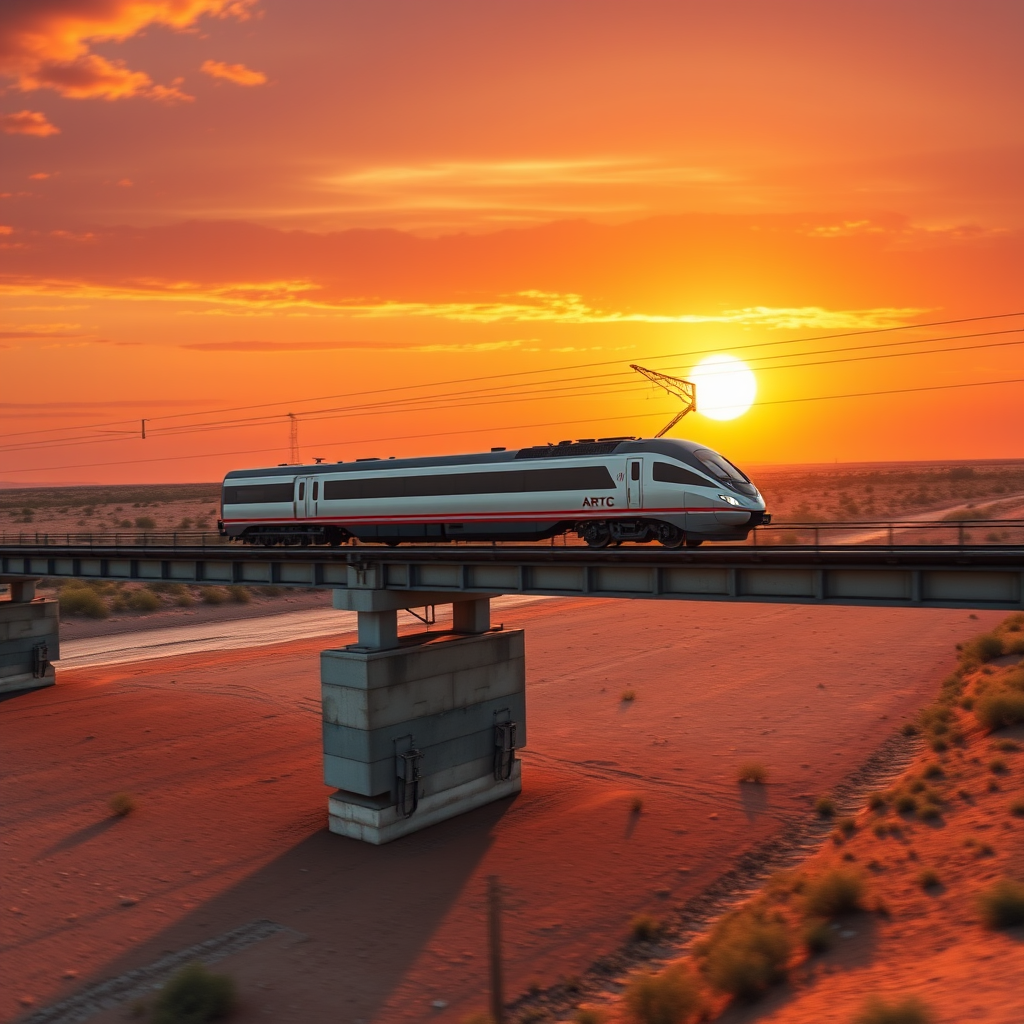
The Australian Rail Track Corporation (ARTC), responsible for much of the nation’s freight network, has faced escalating costs due to extreme weather events. The A$1 billion investment, comprising A$540 million in federal funding matched by A$500 million from ARTC, directly addresses this issue. The emphasis on resilience highlights a shift towards proactive infrastructure management, moving beyond simply repairing damage to preemptively mitigating future disruptions. This strategic approach prioritizes upgrades such as culvert improvements (to enhance flood resistance) and track rehabilitation projects to prevent future washouts and service interruptions. The focus isn’t solely on immediate repairs but on designing a more robust and resilient system, capable of withstanding the projected increase in extreme weather events.
Key Projects and Regional Focus
The funding is allocated to various crucial projects across Australia. Significant investments include A$140 million for culvert upgrades in flood-prone areas of South Australia, Western Australia, and New South Wales, and A$150 million for track improvements and operational upgrades on the crucial Albury-Sydney line. This targeted approach recognizes the varied vulnerabilities of the national rail network and prioritizes regions most susceptible to damage. The budget also earmarks funds for other major projects, including the Metronet project in Perth (A$1.4 billion), Canberra light rail (A$50 million for Stage 2B design), and the Sunshine Coast Rail Line in Queensland (A$1.15 billion). These projects, while distinct, demonstrate a holistic approach to rail infrastructure development, balancing immediate resilience needs with long-term strategic expansion plans.
Economic Benefits and Supply Chain Resilience
The economic benefits of this investment are substantial. The 2022 washouts on the east-west rail line alone cost the Australian economy A$320 million. By strengthening the rail network’s resilience, this funding aims to avoid such costly disruptions in the future. The focus on reliable freight transportation is particularly vital given the reliance of various industries, especially mining, on rail for long-distance material transport. A robust and dependable rail network ensures efficient supply chains, reduces transportation costs, and supports economic activity across the country. The investment goes beyond just infrastructure; it represents an investment in national economic stability and growth, minimizing the impact of extreme weather events on business operations and consumer access to goods.
Conclusions
The Australian Federal Government’s A$1 billion investment in rail resilience signifies a critical shift in infrastructure planning, moving from reactive repair to proactive mitigation. The funding directly addresses the increasing impact of extreme weather events on the nation’s rail network, a vital component of its economic engine. The allocation of funds to key projects, such as culvert upgrades, track rehabilitation, and major expansion projects in various states, demonstrates a thoughtful and strategic approach to enhancing both the resilience and capacity of the rail system. The economic benefits are significant, promising to reduce disruption costs, maintain efficient supply chains, and support sustainable economic growth. The success of this initiative will not only be measured in terms of infrastructure improvements but also in its ability to safeguard Australia’s economic future against the increasing frequency and intensity of extreme weather events. By investing in resilience, the government is not only building a more robust rail network but also a more secure and sustainable future for the nation. The long-term implications extend beyond immediate infrastructure improvements, contributing to a more dependable and efficient transportation system capable of supporting Australia’s economic growth and societal needs in the face of climate change. This significant investment underscores the recognition that a strong, resilient rail network is indispensable to national economic prosperity and the well-being of Australian communities.
RELATED POSTS

February 14, 2025 9:12 am
Siemens Mobility’s Substantial Contribution to the HS2 High-Speed Rail Project...

December 25, 2015 6:23 am
Siemens has been chosen to supply for a new fleet...

May 9, 2025 9:49 pm
Stadler Secures Major EMU Contract with GYSEV: A Case Study...
July 12, 2025 2:34 am
European Railway Industry urges EU for swift rail investment to...
February 16, 2025 3:10 pm
This article explores the significant investment the United States is...

September 20, 2019 7:21 am
The Construction of Old Oak Common Station: A Case Study...