
Amtrak’s NEC: $370M Rail Infrastructure Upgrade
Amtrak’s $370 million Northeast Corridor upgrade means faster track maintenance, smoother rides, and boosted efficiency. Discover how this modernization project is revolutionizing rail!
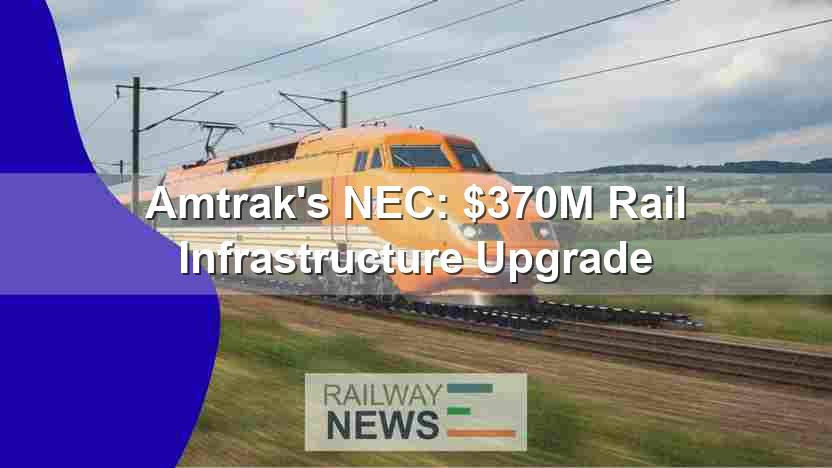
The Northeast Corridor (NEC), a vital artery of the American rail network, connecting eight states and Washington D.C., faces increasing demands from a growing ridership. To address capacity constraints and enhance passenger experience, Amtrak, the national passenger railroad service, has announced a significant $370 million, three-year investment plan focused on infrastructure upgrades and equipment modernization. This investment signifies a commitment to improving the efficiency, reliability, and overall quality of service along the NEC. This article will delve into the specifics of this crucial investment, analyzing the planned upgrades, their impact on operational efficiency, and the long-term strategic goals underpinning Amtrak’s ambitious initiative. The analysis will examine the types of equipment being acquired, their roles in enhancing track maintenance, and the overall effect on the passenger experience, considering the substantial daily ridership exceeding 890,000 commuters and Amtrak passengers.
Infrastructure Enhancement and Track Maintenance
A core component of Amtrak’s plan involves the acquisition of cutting-edge track maintenance equipment. This includes a new track-laying system for efficient and precise track renewal, two undercutters for removing underlying material and ensuring a stable trackbed, and five high-speed surfacing machines for smoothing the track and improving ride quality. These investments directly address the need for faster and more efficient track maintenance, minimizing service disruptions and enhancing operational reliability. Additionally, the procurement of heavy-lift cranes and reference surfacing equipment for New York Penn Station indicates a commitment to addressing specific infrastructure challenges within this critical transportation hub. These upgrades will lead to significant improvements in track geometry, resulting in smoother rides for passengers and reduced wear and tear on rolling stock.
Rolling Stock and Freight Operations
Beyond track infrastructure, Amtrak’s investment extends to the acquisition of new freight cars and locomotives. While primarily focused on passenger service, the NEC supports a significant amount of freight traffic. These additions will not only contribute to the overall efficiency of freight operations on the corridor but will also help to ensure the smooth movement of materials necessary for ongoing maintenance and infrastructure projects. This integrated approach underscores the interconnectedness of passenger and freight operations on a busy corridor like the NEC. Efficient freight movement is crucial for the timely delivery of materials required for maintaining the high-speed rail infrastructure, thereby reducing delays and improving the overall effectiveness of the investment.
Operational Efficiency and Enhanced Customer Experience
Amtrak’s modernization plan aims to significantly improve the operational efficiency of the NEC. The investment in advanced track maintenance equipment is projected to double Amtrak’s engineering efforts, leading to faster repair times and reduced delays. This, in turn, directly contributes to improved on-time performance, a key factor in enhancing passenger satisfaction. The smoother ride quality resulting from the use of high-speed surfacing machines will further elevate the passenger experience, creating a more comfortable and enjoyable journey. These improvements will not only attract new riders but also foster loyalty among existing passengers, solidifying Amtrak’s position as a reliable and convenient transportation option.
Long-Term Vision and Strategic Planning
Amtrak’s $370 million investment is not an isolated event but rather a strategic step within a broader long-term modernization plan. This initiative includes the procurement of new Acela trainsets to enhance speed and capacity, ongoing studies to optimize Concourse Management at New York Penn Station, and investments in station upgrades across the network, including Chicago and Washington. These complementary projects aim to address the NEC’s growing demand and ensure its continued relevance as a vital transportation corridor for decades to come. The focus on long-term sustainability and integrated planning underscores Amtrak’s commitment to providing reliable and efficient passenger rail service in the Northeast.
Conclusions
Amtrak’s $370 million investment in the Northeast Corridor represents a critical commitment to modernizing and enhancing one of the nation’s most vital passenger rail lines. The acquisition of state-of-the-art track maintenance equipment, including track-laying systems, undercutters, and high-speed surfacing machines, will significantly improve track quality and operational efficiency. Coupled with investments in new freight cars and locomotives, this initiative will ensure the seamless flow of both passenger and freight traffic. The modernization efforts aim to double Amtrak’s engineering capabilities, leading to faster maintenance and repair times, improved on-time performance, and an enhanced passenger experience marked by smoother and more reliable journeys. This investment is not just about immediate upgrades but forms a key element of Amtrak’s broader long-term strategy to meet the future needs of the growing Northeast Corridor ridership, including purchases of new Acela trainsets and station improvements. The success of this initiative will be instrumental in ensuring the continued viability and competitiveness of rail transportation in the region, paving the way for a more efficient, reliable, and comfortable passenger rail experience for years to come. The projected increase in passenger numbers to over half a billion annually by 2040 highlights the critical need for these investments, ensuring that the NEC can continue to serve as a vital transportation artery for decades to come.

Railway infrastructure, rolling stock and transport technologies specialist focused on global rail industry developments, high-speed rail systems, signaling technologies and freight transportation. Covering railway investments, public transport modernization, rail operations and international mobility projects across Europe, Asia and North America.
RELATED POSTS

September 6, 2026 5:19 am
Hitachi delivered Taiwan's first N700ST high-speed train from Japan in...

September 5, 2026 4:19 pm
CPK launched formal tender talks with four consortia to design...

September 5, 2026 7:14 pm
HS2 Ltd signed renegotiated civils contracts with EKFB and Align...

September 6, 2026 4:12 am
Alstom delivered the first of 100 new G Class trams...

September 6, 2026 1:17 am
Hitachi Toshiba Supreme Consortium confirmed the first of 12 N700ST...

September 6, 2026 6:17 am
Hungary ordered a national ban on most freight trains from...