
Amtrak’s Locomotive Modernization: Essential Upgrades
Amtrak’s locomotive fleet modernization is crucial. Upgrade aging P40/P42s for improved safety, efficiency, and sustainability—discover how!
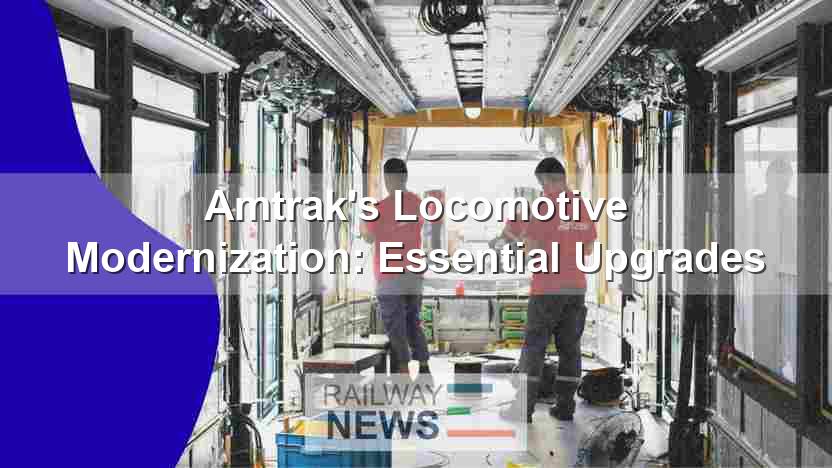
The aging diesel locomotive fleet of Amtrak’s National Network presents a significant challenge to the railroad’s ability to provide reliable, safe, and efficient passenger service across its long-distance and state-supported routes. This article examines the crucial need for Amtrak’s planned modernization effort, focusing on the technical and operational justifications for fleet upgrades, the logistical and financial considerations involved, and the potential long-term benefits for passengers, the environment, and the railroad itself. Amtrak’s decision to either procure new locomotives or refurbish existing units represents a strategic investment impacting the overall efficiency and sustainability of their operations. The replacement of aging P40 and P42 locomotives, some exceeding 25 years of service, is paramount to ensuring the continued viability and competitiveness of Amtrak’s National Network. The scope of the project, including a potential multi-year support agreement, underscores the long-term commitment required to maintain a modern and efficient fleet.
The Imperative for Locomotive Modernization
Amtrak’s current National Network diesel locomotives, primarily the P40 and P42 models, are reaching the end of their service life. This translates to increased maintenance costs, reduced reliability, and a higher risk of mechanical failures. Aging infrastructure inherently leads to operational inefficiencies, causing delays and disruptions to passenger schedules. Additionally, older locomotives generally have lower fuel efficiency and contribute to higher emissions. The replacement or refurbishment is thus vital not only for improving passenger experience through enhanced reliability and punctuality but also for complying with increasingly stringent environmental regulations. The pursuit of improved safety features in newer models is equally critical for minimizing operational risks and ensuring passenger safety. The RFP (Request for Proposals) issued by Amtrak for 50-75 new locomotives demonstrates the significant scale of this undertaking.
Technological Advancements and Operational Efficiency
Modern diesel locomotives offer substantial advancements over older models. These include improved fuel efficiency, leading to reduced operating costs and a smaller carbon footprint. Advanced diagnostic systems enable proactive maintenance, minimizing unexpected downtime and improving overall fleet availability. Newer locomotives incorporate cutting-edge safety features, such as automatic train control (ATC) systems and enhanced braking technologies, bolstering safety and operational reliability. Additionally, advancements in traction motor technology and improved power-to-weight ratios result in increased hauling capacity and faster acceleration, leading to potential improvements in schedule adherence and passenger journey times. The potential integration of these technologies presents opportunities to streamline operations, enhance efficiency, and contribute to the overall performance of Amtrak’s National Network.
Financial and Logistical Challenges
Upgrading a large fleet of locomotives presents significant financial and logistical challenges. The cost of procuring new locomotives or undertaking extensive refurbishment is substantial, requiring careful financial planning and potentially external funding sources. The logistical complexities involved in replacing or refurbishing locomotives without significant disruptions to service require detailed planning and coordination. This necessitates careful scheduling of maintenance activities, managing potential delays, and ensuring sufficient backup capacity to maintain operational schedules. A crucial consideration is the long-term maintenance and support strategy; securing a multi-year agreement for parts and technical support is essential to optimizing lifecycle costs and minimizing operational downtime.
Long-Term Benefits and Sustainability
The long-term benefits of modernizing Amtrak’s diesel locomotive fleet are multifaceted. Improved reliability and reduced maintenance costs translate to significant cost savings over the lifetime of the new or refurbished locomotives. The environmental benefits resulting from reduced emissions contribute to Amtrak’s sustainability goals and align with broader environmental initiatives. Enhanced safety features directly improve passenger safety and operational reliability, reducing the risk of accidents and improving public confidence in Amtrak’s services. Finally, the modernization initiative aligns with Amtrak’s broader strategy of upgrading its infrastructure and rolling stock, resulting in an overall enhancement of the passenger experience and strengthening Amtrak’s competitiveness in the transportation market. The planned improvements at major stations such as New York Penn Station and the Moynihan Train Hall further demonstrate this commitment to long-term infrastructure development.
Conclusion
Amtrak’s decision to modernize its National Network diesel locomotive fleet is a critical step towards ensuring the long-term viability and competitiveness of its long-distance and state-supported services. The replacement or refurbishment of aging locomotives is not merely a matter of replacing worn-out equipment; it’s a strategic investment that promises significant improvements in operational efficiency, environmental sustainability, and passenger safety. The financial and logistical complexities involved are considerable, but the long-term benefits—in terms of reduced operating costs, improved reliability, enhanced safety, and reduced environmental impact—justify the undertaking. The successful implementation of this project will enhance Amtrak’s capacity to provide a more reliable, efficient, and environmentally responsible passenger rail service, ultimately strengthening its position in the transportation landscape and improving the overall travel experience for its customers. The integration of advanced technologies, coupled with a detailed maintenance strategy, will play a pivotal role in realizing the full potential of this modernization initiative and ensuring Amtrak’s continued success in the years to come. The project’s success will rely heavily on effective planning, resource allocation, and diligent project management to minimize service disruptions and maximize the benefits of the modernization effort.

Railway infrastructure, rolling stock and transport technologies specialist focused on global rail industry developments, high-speed rail systems, signaling technologies and freight transportation. Covering railway investments, public transport modernization, rail operations and international mobility projects across Europe, Asia and North America.
RELATED POSTS
September 6, 2026 5:19 am
Hitachi delivered Taiwan's first N700ST high-speed train from Japan in...

September 5, 2026 4:19 pm
CPK launched formal tender talks with four consortia to design...

September 6, 2026 4:12 am
Alstom delivered the first of 100 new G Class trams...

September 5, 2026 7:14 pm
HS2 Ltd signed renegotiated civils contracts with EKFB and Align...
September 6, 2026 6:17 am
Hungary ordered a national ban on most freight trains from...
September 6, 2026 1:17 am
Hitachi Toshiba Supreme Consortium confirmed the first of 12 N700ST...