
Amtrak’s $6B Frederick Douglass Tunnel: A New Rail Model
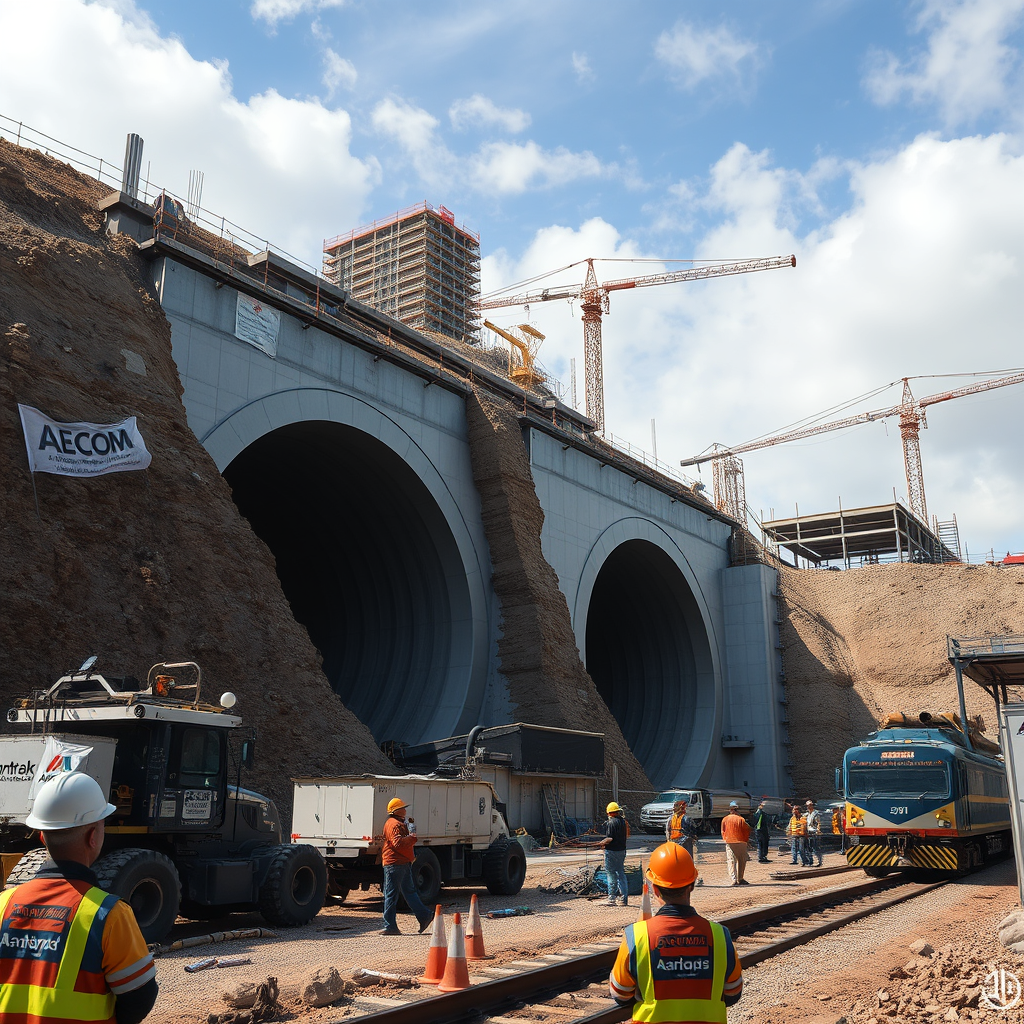
This article delves into the ambitious Frederick Douglass Tunnel project undertaken by Amtrak, a crucial initiative to modernize and enhance the Northeast Corridor rail line. The project, estimated at $6 billion, represents a significant investment in upgrading aging infrastructure and improving passenger rail service in the Baltimore area. The scale and complexity of this endeavor require a sophisticated approach to project management, demanding a collaborative partnership between Amtrak’s internal team and external industry experts. We will explore the collaborative project delivery model adopted by Amtrak, the selection of AECOM and Jacobs as key delivery partners, the various stages of the project, and the anticipated benefits for commuters and the broader rail network. We’ll also analyze the implications of this project for future large-scale rail infrastructure projects and the potential for replicating this innovative partnership model. The success of the Frederick Douglass Tunnel project will set a precedent for how such complex rail upgrades are managed and will undoubtedly influence future investments in rail infrastructure across the nation.
The Amtrak Delivery Partner Model: A Collaborative Approach to Mega-Projects
Amtrak’s strategic decision to engage AECOM and Jacobs Engineering through a Delivery Partner (DP) contract marks a significant shift in its project delivery methodology. Traditionally, large-scale infrastructure projects are often managed through a series of individual contracts with different firms for distinct aspects of the work. The DP model, however, fosters a more integrated approach. The ADVANCE joint venture, comprising AECOM, Jacobs, and other specialized firms such as Sener, Turner & Townsend, RailPros, Aldea, and Dr Sauer, along with numerous small and disadvantaged business enterprises (SDBEs), assumes comprehensive responsibility for program management, design oversight, construction management, and contract administration. This consolidated approach aims to streamline decision-making, improve coordination, and mitigate potential conflicts between different contractors, ultimately leading to greater efficiency and cost-effectiveness.
The Frederick Douglass Tunnel: Replacing a Century-Old Asset
The project centers on replacing the existing 1.4-mile-long B&P Tunnel, a century-and-a-half-old structure that has become a bottleneck and safety concern. The new Frederick Douglass Tunnel will consist of two parallel bores, each approximately two miles long, providing significantly enhanced capacity and safety for both Amtrak and MARC (Maryland Area Regional Commuter) passenger services. The project’s scope extends beyond the mere replacement of the tunnel itself. It encompasses the construction of a new West Baltimore MARC station and upgrades to the Southern Approach, further improving overall transit efficiency and connectivity in the region. The project’s substantial scale underscores the commitment to improving rail infrastructure crucial to national mobility.
Phased Implementation and Key Contractors
Amtrak’s approach to the project is characterized by a phased implementation strategy. While major construction is still forthcoming, initial preparatory work, including demolition and site preparation, is already underway. Amtrak has strategically awarded significant contracts, demonstrating a phased approach to minimize risks and maximize efficiency. The construction of the two tunnel tubes has been entrusted to a joint venture of Kiewit and J.F. Shea. Separately, Clark Construction and Stacy & Witbeck were selected for work on the Southern Approach and the new West Baltimore MARC station, highlighting the meticulous planning and strategic allocation of resources that characterize the project’s execution.
Funding and Project Timeline
The project received a significant boost with funding secured from the Federal Railroad Administration (FRA) through the Bipartisan Infrastructure Law, underscoring the project’s national significance. The substantial funding commitment underscores the federal government’s recognition of the tunnel’s importance to the nation’s transportation network. The project is slated for completion in 2035, offering a long-term vision for improved rail infrastructure and service. This timeline reflects the immense scale of the project and the careful planning required for such a significant undertaking.
Conclusion
The Frederick Douglass Tunnel project represents a paradigm shift in Amtrak’s approach to major infrastructure projects. The adoption of the Delivery Partner model, the selection of highly experienced firms like AECOM and Jacobs, and the phased implementation strategy all contribute to a comprehensive and well-managed undertaking. This project signifies not merely the replacement of an aging tunnel but also a commitment to modernizing the Northeast Corridor, enhancing passenger safety, and improving overall transit efficiency. The successful execution of this project will serve as a benchmark for future large-scale rail infrastructure developments, showcasing the benefits of collaborative project management, strategic partnerships, and a phased approach to managing complex construction endeavors. The project’s completion in 2035 will significantly enhance the rail network’s capacity, safety, and efficiency, benefiting commuters and the broader Baltimore region, while simultaneously demonstrating a new model for large-scale infrastructure investment and project delivery for the rail industry as a whole. The strategic integration of various specialized companies within the ADVANCE team showcases a forward-thinking approach to maximizing expertise and resource allocation, leading to potential cost savings and time efficiencies compared to traditional models. Amtrak’s commitment to partnering with small and disadvantaged business enterprises further underscores their dedication to community engagement and economic development alongside infrastructure improvement. The Frederick Douglass Tunnel project promises to be a flagship example of innovative, collaborative infrastructure development with lasting positive impacts on the national rail system.
RELATED POSTS

November 14, 2017 3:32 pm
High-speed rail is transforming travel. Learn how meticulous infrastructure...

April 25, 2009 1:50 pm
A $750m renovation programme to upgrade California’s rail line aimed...
December 18, 2022 7:16 am
The Metropolitan Transportation Authority (MTA) has embarked on a transformative...

May 22, 2025 8:10 am
Stockholm, Sweden – May 20, 2025 The critical Arlanda Express...
August 8, 2025 8:33 pm
Toronto's Yonge North Subway Extension gets $1.4B contract, boosting GTA...
March 20, 2022 4:13 am
The Sydney Metro West Project: A Deep Dive into Large-Scale...