
Alstom’s Coradia Max: Germany’s New Regional Train
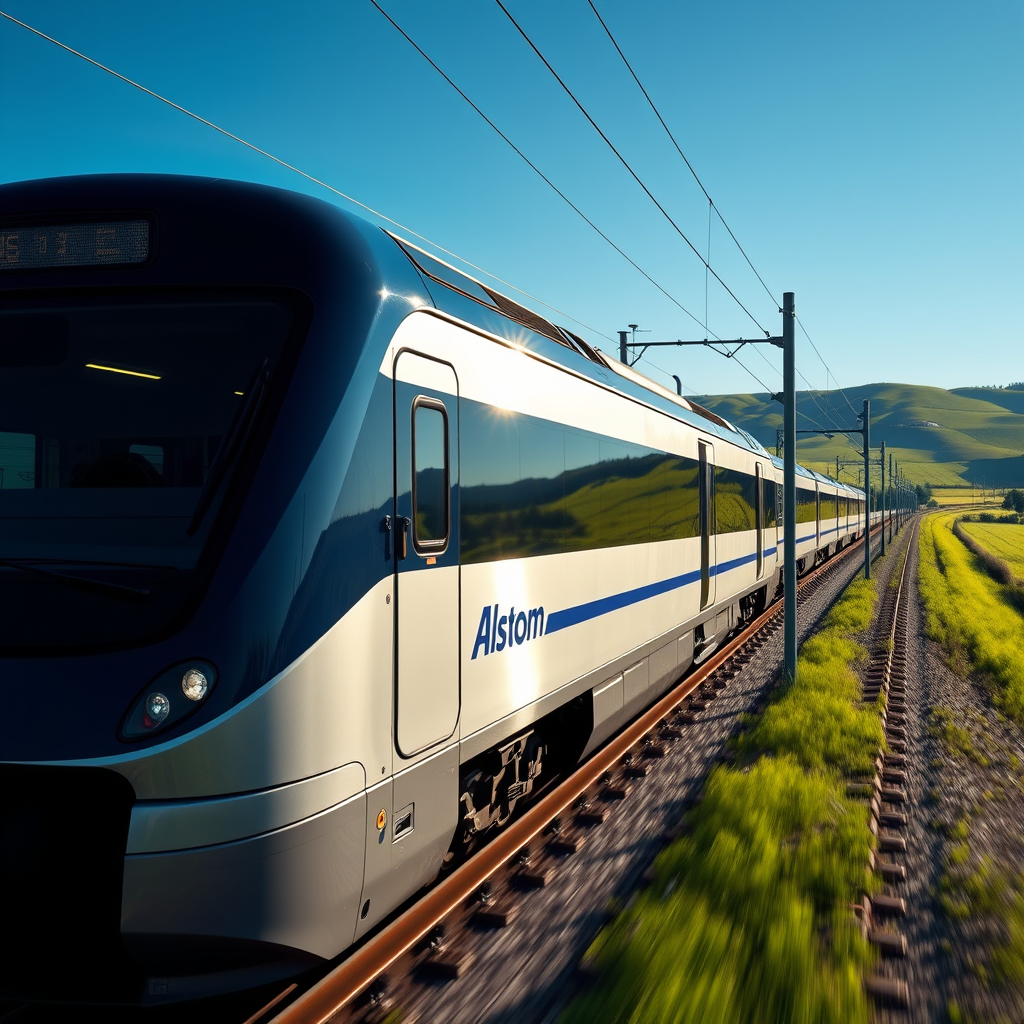
This article explores the significant milestone achieved by Alstom with the delivery of its first Coradia Max regional train to Germany for testing. This event marks a crucial step in fulfilling a substantial order of 130 trains for a customer in Baden-Württemberg, representing Alstom’s largest double-deck train order produced at its Chorzów plant. The Coradia Max, a high-capacity electric multiple unit (EMU), showcases Alstom’s commitment to providing advanced, passenger-centric, and environmentally sustainable rail solutions. The article delves into the train’s design features, manufacturing process, and its broader impact on the European railway landscape, highlighting Alstom’s commitment to innovation and sustainable mobility. The implications of this project for Alstom’s global manufacturing strategy and the future of regional rail travel in Germany will be analyzed. Finally, the article will place this development within the wider context of ongoing advancements in railway technology, specifically focusing on centralized train control systems and the increasing adoption of electric locomotives to promote environmental sustainability.
The Coradia Max: A High-Capacity Regional Train
The Alstom Coradia Max is a state-of-the-art electric multiple unit (EMU) designed for regional passenger transport. Its modular design allows for flexible configurations, enabling customization to meet specific customer requirements. The train’s high-capacity design, featuring a combination of double-deck and single-deck cars, significantly increases passenger carrying capacity. The specific configuration for the Baden-Württemberg order incorporates two double-deck cars and two single-deck centre cars, providing a total of 380 seats. This capacity maximization is a key factor in addressing the growing demand for efficient and comfortable regional rail services. Furthermore, the train’s high-speed capabilities, with a top speed of up to 200 km/h, ensures swift and reliable transit times, enhancing the overall passenger experience and operational efficiency.
Manufacturing and Technological Advancement at Alstom Chorzów
The Alstom Chorzów plant plays a pivotal role in the production of the Coradia Max, serving as a global competence center for manufacturing and engineering. The plant’s advanced facilities and skilled workforce enable the efficient and high-quality production of these complex trainsets. The Baden-Württemberg order signifies a remarkable achievement for the Chorzów facility, marking its first complete double-deck train project from start to finish. This underscores the plant’s growing capabilities and its ability to handle large-scale, intricate projects. Beyond this specific order, the plant also contributes to Alstom’s global production network, manufacturing components and complete trains for various clients in countries such as the Netherlands and Italy. This underscores Alstom’s strategic commitment to this facility and its role in supporting its wider European operations.
Passenger-Centric Design and Amenities
The Coradia Max prioritizes passenger comfort and convenience. The design incorporates numerous features intended to enhance the travel experience, including: air conditioning for climate control; free Wi-Fi for connectivity; multiple charging points for electronic devices; individual reading lights for personalized comfort; ample space for luggage; and accessibility features catering to passengers with reduced mobility. These amenities are crucial in creating a positive and enjoyable journey, thereby encouraging greater ridership and promoting the use of rail transport as a preferred mode of travel. The focus on passenger experience demonstrates Alstom’s understanding of the importance of providing comfortable and convenient transportation to enhance passenger satisfaction and encourage sustainable transportation choices.
Sustainability and the Future of Rail Transport
The Coradia Max trains, being electric, contribute to environmentally sustainable rail transportation. Electric locomotives significantly reduce carbon emissions compared to diesel-powered alternatives, aligning with global efforts towards greener transportation. The use of electric traction and the advanced design of the Coradia Max further contribute to a reduction in the overall environmental impact of rail transportation. The increasing demand for high-capacity, sustainable, and technologically advanced trains such as the Coradia Max underscores a broader trend within the rail industry—a shift towards environmentally responsible practices and the adoption of innovative technologies to enhance efficiency and reduce emissions. This commitment to sustainable mobility is crucial for the future of rail transport and for meeting the growing demand for environmentally friendly travel options.
Conclusions
The successful delivery of the first Coradia Max train to Germany for testing represents a major achievement for Alstom, showcasing its capabilities in designing, manufacturing, and delivering high-capacity, passenger-centric, and sustainable regional trains. The project highlights the capabilities of the Alstom Chorzów plant, which is established as a key manufacturing and engineering hub within Alstom’s global network. The Baden-Württemberg order, being Alstom’s largest double-deck train order for the plant, signifies the increasing demand for this type of rolling stock and the growing confidence in Alstom’s ability to meet these demands. The commitment to passenger comfort, evident in the array of amenities included in the Coradia Max, underscores a broader industry trend toward prioritizing the passenger experience. The use of electric traction reinforces the railway industry’s focus on environmentally sustainable solutions, reducing the carbon footprint associated with passenger rail travel. The success of the Coradia Max program emphasizes the ongoing innovation within the rail industry, adapting to the evolving needs and preferences of passengers and contributing to a more environmentally responsible transportation sector. The future of regional rail transport seems promising, with a focus on sustainable solutions, innovative designs, and a commitment to passenger well-being.
RELATED POSTS
September 19, 2025 10:55 am
German public transport operators partner for smart mobility solutions, focusing...

November 15, 2009 11:19 am
Malaysia will award a $2.3bn (7.5bn ringgit) contract to China...
September 18, 2025 1:55 pm
EIB provides €80 million loan to CAF for R&D in...
January 15, 2026 10:39 am
FRA reinstates the Railroad Safety Advisory Committee after disbandment, addressing...

January 21, 2020 10:12 am
This article explores the significant €755 million contract awarded to...
January 7, 2023 12:35 pm
This article explores the recent contract awarded to Stadler by...