
Alstom Upgrades PKP Intercity’s WiFi: Poland’s Rail Advancements
Alstom’s Pendolino WiFi upgrade: boosting passenger satisfaction and showcasing cutting-edge railway technology in Poland. Discover how!
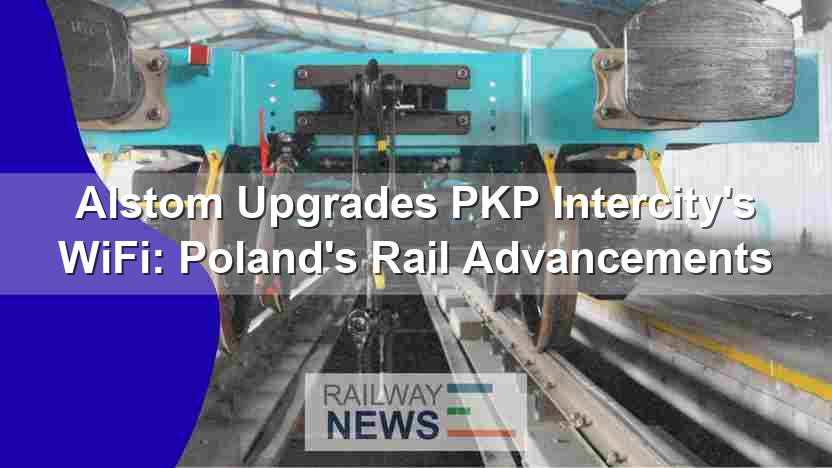
This article examines the significant upgrade undertaken by Alstom for PKP Intercity (PKP IC), Poland’s national long-distance train operator. The project centers on the installation of WiFi capabilities across PKP Intercity’s fleet of Express InterCity Premium (EIP) trains, also known as Pendolino trains (ED250). This initiative highlights the growing importance of passenger comfort and connectivity in the modern railway industry. The upgrade not only enhances the passenger experience but also underscores the ongoing technological advancements within the Polish railway system. The contract, valued at zł 31.7 million (approximately $8.66 million USD at the time), extends beyond simple WiFi installation, encompassing detailed maintenance of the EIP fleet for five years. This detailed approach ensures the long-term reliability of the system and underscores Alstom’s commitment to providing a complete solution. The following sections will delve into the technical aspects, economic implications, and broader impact of this project on passenger satisfaction and the future of Polish rail travel.
Enhancing Passenger Connectivity: The WiFi Installation
Alstom’s contract with PKP IC focused on equipping the EIP Pendolino trains with reliable and high-speed WiFi access. This involved the installation of robust network infrastructure within the trains, including antennas, routers, and other necessary components. Alstom’s Warsaw-based teams handled the installation, leveraging their expertise in railway systems integration. The project also encompassed thorough testing and quality assurance procedures to ensure a seamless passenger experience. The successful pilot tests completed in August 2018 paved the way for the full-scale deployment, with the first WiFi-enabled train entering service later that year. This upgrade represents a significant step towards modernizing the passenger experience, bringing it in line with expectations in other modes of transportation.
Beyond WiFi: Maintenance and Training
The contract’s scope extended beyond just WiFi installation. A crucial component included a five-year maintenance agreement for the entire EIP fleet. This proactive approach ensured the long-term reliability of both the WiFi system and the overall train functionality. Additionally, Alstom provided detailed training to PKP Intercity staff on the operation and maintenance of the newly installed WiFi systems. This knowledge transfer was critical to ensuring the smooth and efficient operation of the network and minimized any potential downtime. This commitment to training highlights Alstom’s dedication to supporting PKP Intercity’s long-term operational success.
Data Security and Compliance
In parallel with the technical aspects, a key element of the project addressed data security and privacy. PKP Intercity and Alstom collaborated to establish a robust data entrustment agreement, ensuring compliance with all applicable Polish and EU data protection laws. This agreement outlines the responsibilities of both parties regarding the protection and management of passenger data collected through the WiFi network. This proactive approach to data privacy establishes trust and confidence amongst passengers, ensuring a secure and responsible use of the WiFi service.
Economic and Strategic Impact
The installation of WiFi on the Pendolino trains represents a significant investment by PKP Intercity in enhancing passenger comfort and satisfaction. Improved connectivity enhances the appeal of rail travel, potentially attracting more passengers and increasing revenue. Moreover, this project showcases Poland’s commitment to modernizing its railway infrastructure. The upgrade aligns with broader European initiatives to improve rail travel and aligns with goals to improve transportation competitiveness. The project serves as a model for future upgrades across the PKP IC fleet and demonstrates the potential for improved passenger satisfaction through thoughtful investments in technology and service improvements. The success of this WiFi implementation underscores the strategic importance of enhancing the passenger experience in the competitive transportation landscape. It demonstrates that integrating advanced technologies like high-speed internet is no longer a luxury but a necessity for modern railway operators seeking to attract and retain customers. The long-term maintenance agreement further secures the investment and demonstrates a commitment to sustainable technological advancement within the Polish railway network.

Railway infrastructure, rolling stock and transport technologies specialist focused on global rail industry developments, high-speed rail systems, signaling technologies and freight transportation. Covering railway investments, public transport modernization, rail operations and international mobility projects across Europe, Asia and North America.
RELATED POSTS
September 6, 2026 5:19 am
Hitachi delivered Taiwan's first N700ST high-speed train from Japan in...

September 5, 2026 4:19 pm
CPK launched formal tender talks with four consortia to design...

September 6, 2026 4:12 am
Alstom delivered the first of 100 new G Class trams...

September 5, 2026 7:14 pm
HS2 Ltd signed renegotiated civils contracts with EKFB and Align...
September 6, 2026 6:17 am
Hungary ordered a national ban on most freight trains from...
September 6, 2026 1:17 am
Hitachi Toshiba Supreme Consortium confirmed the first of 12 N700ST...