
Alstom Prima M4 KZ4AT: Kazakhstan’s New Rail Powerhouse
Alstom’s Prima M4 KZ4AT: High-speed locomotives, built in Kazakhstan, are revolutionizing Central Asian rail. Discover how this innovative project benefits both Alstom and the region!
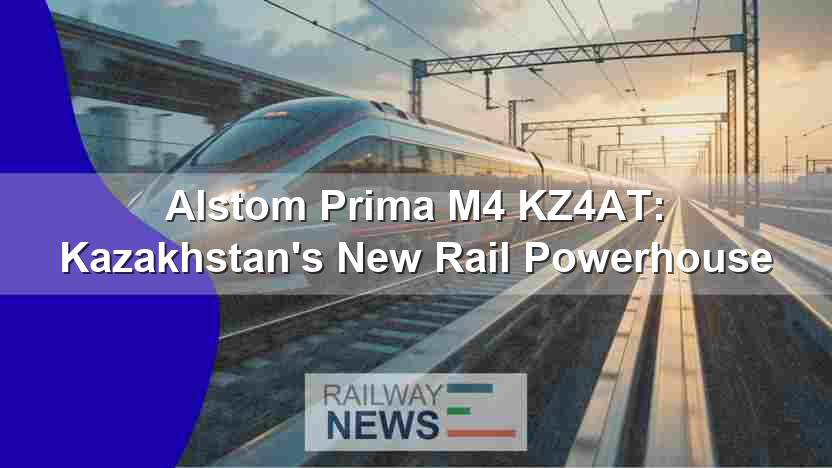
This article examines Alstom’s significant investment in Kazakhstan through the establishment of a locomotive production facility and the subsequent manufacturing of its Prima M4 KZ4AT passenger locomotives. The project represents a strategic move by Alstom to expand its manufacturing footprint in Central Asia, leveraging the burgeoning rail infrastructure development in the region. We will analyze the implications of this undertaking, considering its economic benefits for Kazakhstan, Alstom’s strategic goals, and the technical specifications of the Prima M4 KZ4AT locomotive itself. The discussion will encompass the production process, the technological advancements incorporated into the locomotive design, and the long-term impact on regional rail transportation. Additionally, the article will assess the role of this initiative in solidifying Kazakhstan’s position as a key player in the Central Asian rail market and exploring the potential for export opportunities to neighboring countries.
Local Production and Economic Impact
The establishment of Alstom’s production facility in Nur-Sultan (Astana), a joint venture (JV) between Alstom (75%) and Transmashholding (25%), represents a considerable investment in Kazakhstan’s infrastructure and manufacturing sector. The facility’s primary focus is on the assembly of the Prima M4 KZ4AT passenger locomotives for Kazakhstan Railways (KTZ), fulfilling a contract for the supply and maintenance of a significant number of locomotives. This initiative generates substantial employment opportunities, with Alstom planning to hire an additional 35 employees to support production. Moreover, it stimulates economic growth by fostering local expertise in railway technology and bolstering the domestic manufacturing industry. The increased domestic production reduces reliance on imports, promoting economic self-sufficiency and potentially establishing Kazakhstan as a regional hub for locomotive manufacturing and maintenance.
Technological Advancements of the Prima M4 KZ4AT
The Prima M4 KZ4AT locomotive, based on Alstom’s modular Prima platform, embodies cutting-edge railway technology. Designed for passenger services, it boasts a high operational speed of 200 km/h and is engineered to withstand extreme weather conditions, making it highly adaptable to Kazakhstan’s diverse climate. Compliance with GOST (GOST R is the Russian state standard) standards ensures the locomotive’s safety and reliability. The locomotive’s multi-purpose design and robust construction enhance its operational efficiency and longevity, contributing to reduced lifecycle costs for KTZ. Additionally, the modular design allows for adaptability to future upgrades and modifications as technological advancements emerge in the rail industry.
Strategic Partnerships and Regional Impact
Alstom’s collaboration with Transmashholding highlights the importance of strategic partnerships in accessing and navigating international markets. This JV leverages both companies’ expertise, combining Alstom’s advanced technology with Transmashholding’s regional knowledge and market access. The successful implementation of this project positions Alstom as a major player in the Central Asian rail market, opening up potential export opportunities to neighboring countries. The production of locomotives in Kazakhstan not only meets the domestic demand but also enhances Alstom’s competitive edge by reducing transportation costs and facilitating timely delivery of products to customers in the region. The successful execution of this project reinforces Alstom’s reputation as a reliable supplier of cutting-edge railway technology in the region.
Production Capacity and Future Expansion
The Kazakh facility’s production capacity is not limited solely to the Prima M4 KZ4AT locomotives. Alstom is also assembling other locomotive models at the facility, including AZ8A locomotives for Azerbaijan, demonstrating its commitment to regional expansion and diversification. The production lines’ expansion underscores Alstom’s long-term vision for the facility, positioning it as a key manufacturing and maintenance hub for Central Asia. This expansion strategy not only addresses the current demands of KTZ but also prepares the facility for future growth and potential contracts from other regional railway operators. The presence of on-board transformer production further enhances the facility’s self-sufficiency and vertical integration.
Conclusions
Alstom’s initiative to establish a locomotive production facility in Kazakhstan and manufacture the Prima M4 KZ4AT represents a significant milestone in the development of the region’s rail infrastructure. This project has multiple benefits: economic growth in Kazakhstan through job creation and technology transfer, the introduction of advanced locomotive technology to enhance passenger services, and the establishment of a strong strategic partnership between Alstom and Transmashholding. The success of this venture, evidenced by the delivery of locomotives and the ongoing expansion of the production facility, highlights the potential for further growth and development in the Central Asian rail sector. The Prima M4 KZ4AT’s high speed, durability, and adherence to international standards underscores Alstom’s commitment to providing reliable and efficient rail solutions. The project demonstrates a successful model of international collaboration, combining technological expertise with local market knowledge to create a sustainable and prosperous rail industry in Kazakhstan and the broader Central Asian region. The long-term outlook is positive, with potential for further expansion and export opportunities, solidifying Kazakhstan’s position as a regional hub for rail technology and manufacturing, and establishing Alstom as a key player in the Central Asian rail market.

Railway infrastructure, rolling stock and transport technologies specialist focused on global rail industry developments, high-speed rail systems, signaling technologies and freight transportation. Covering railway investments, public transport modernization, rail operations and international mobility projects across Europe, Asia and North America.
RELATED POSTS

October 8, 2026 1:15 pm
Alstom secured a €1bn contract to build 13 automated trains,...

October 1, 2026 7:09 am
United States regulators confirmed a September 30 deadline for the...

October 4, 2026 5:14 pm
Alstom secured a CA$4.7 billion order from VIA Rail Canada...

October 1, 2026 12:13 am
Illinois approved $1.5 billion annually for the Northern Illinois Transit...

October 5, 2026 1:13 pm
New York MTA confirmed a late 2026 DEIS release for...
October 6, 2026 9:17 am
Illinois approved $1.1M in state funds to upgrade two McHenry...