
Alstom-MTA Deal: $2.3B Rail Infrastructure Boost for NYC Commuters
Alstom wins $2.3B commuter rail car contract for LIRR and Metro-North, modernizing NY’s aging fleet.

Alstom Secures $2.3 Billion Contract to Supply Commuter Rail Cars to LIRR and Metro-North
Alstom, a global leader in smart and sustainable mobility, has been awarded a significant contract worth $2.3 billion to supply 316 new commuter rail cars to the Long Island Rail Road (LIRR) and Metro-North Railroad, both divisions of the New York Metropolitan Transportation Authority (MTA). This substantial order, announced on July 8, 2025, also includes an option for an additional 242 cars, potentially increasing the total contract value to $3.8 billion. The new M-9A passenger vehicles, designed to replace the MTA’s aging fleet, primarily the four-decade-old M-3 cars, represent a crucial investment in modernizing the region’s commuter rail infrastructure. This article will delve into the specifics of the contract, the features of the new rolling stock, and the broader implications for the MTA and Alstom’s operations. Furthermore, it will explore the economic impact and the technological advancements underpinning this significant rail infrastructure project.
Modernizing the MTA’s Commuter Fleet
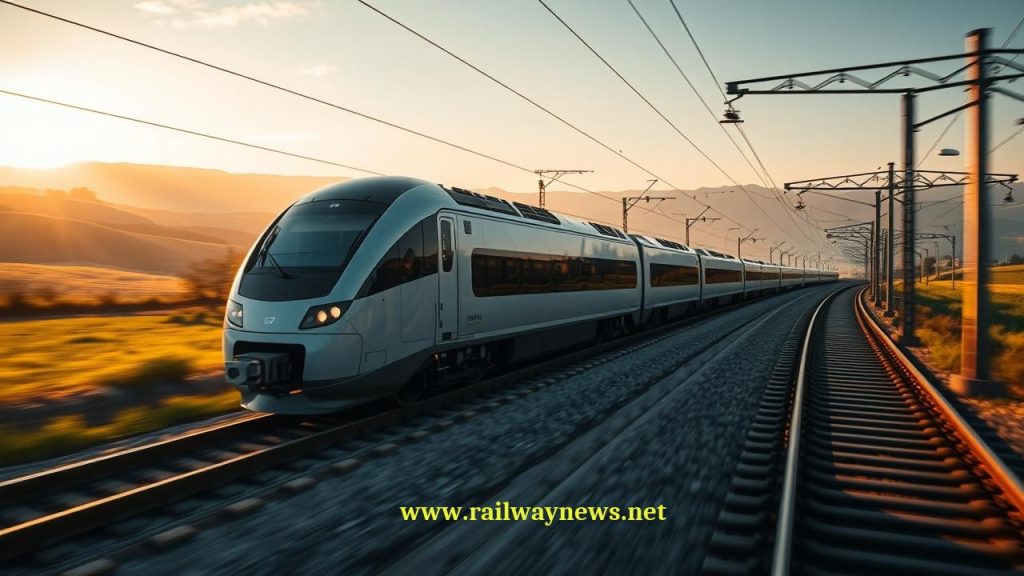
The core of this agreement centers on Alstom’s M-9A passenger vehicles. These Electric Multiple Units (EMUs) are engineered to operate independently on electrified tracks, eliminating the need for a separate locomotive. This design enhances operational efficiency and reduces emissions. Approximately half of the new rail cars will serve the LIRR, the busiest commuter railroad in the United States, while the remainder will be deployed on Metro-North lines, catering to commuters in the northern New York and Connecticut suburbs. The M-9A trains promise a substantially improved passenger experience. They will feature USB charging ports, accessible restrooms, wheelchair spaces, and extra-wide doors to speed up boarding and alighting. These enhancements, coupled with a quieter and smoother ride, are designed to meet the evolving needs of modern commuters. The trains are also designed to operate at speeds between 120-200km/h.
Technological and Security Enhancements
Beyond passenger amenities, the new rail cars are designed with advanced technology and robust security features. Adhering to the MTA’s stringent cybersecurity standards, the M-9A vehicles will protect internal systems and external communications from potential threats. This focus on cybersecurity is vital in an increasingly interconnected operational environment, ensuring the secure and reliable functioning of the rail network. The trains also incorporate advanced operational controls, improving efficiency and reliability. The integration of such modern systems is vital for the long-term viability and safety of the commuter rail services that the MTA provides to millions of commuters daily. Alstom’s commitment to these standards highlights its understanding of the critical role that secure and reliable operations play in the modern rail industry.
Economic Impact and Local Manufacturing
The $2.3 billion contract has substantial economic implications, particularly for New York State. The project is set to generate nearly 300 jobs at Alstom’s production facilities within the state. The car body shells will be manufactured at Alstom’s Plant 4 in Hornell, while the bogies will be assembled in Plattsburgh. The propulsion systems will be produced at the Alstom site in West Mifflin. This localized manufacturing strategy supports the growth of skilled labor and fosters economic development within the region. Furthermore, the investment by the MTA into these train cars is an investment in local communities throughout the Empire State. This approach is in line with a broader trend in the rail industry toward domestic production and job creation. For Alstom, the M-9A project strengthens its relationship with the MTA and underscores its commitment to manufacturing state-of-the-art trains in America.
Alstom’s Expanding Presence in the Rail Sector
This contract marks a significant addition to Alstom’s portfolio, bringing its total production for the MTA to approximately 5,400 commuter and subway cars. The company’s Americas president, Michael Keroullé, highlighted the project’s significance, emphasizing the delivery of “great commuter trains and good jobs for New Yorkers.” Alstom’s strategic presence in the US market extends beyond this project. Furthermore, Alstom has also secured a $1.9 billion order from SNCF Voyageurs for 96 RER NG trainsets for the RER D line, a project fully financed by Île-de-France Mobilités and approved on 10 April 2025. This diversification and ongoing success in the global rail market shows that Alstom’s Adessia commuter rail portfolio continues to grow and demonstrate its sustainability and adaptability to various urban and suburban environments.
Conclusion
Alstom’s recent contract with the MTA underscores the increasing demand for modern, efficient, and secure commuter rail systems in North America. The M-9A cars represent a crucial step in modernizing the LIRR and Metro-North fleets, offering passengers a superior travel experience while enhancing the reliability and sustainability of these vital transportation arteries. The project’s economic impact, with its focus on local manufacturing and job creation, further strengthens Alstom’s position in the US market and supports the economic growth of New York State. Looking ahead, the successful delivery of the M-9A cars and the potential for additional orders will be key indicators of Alstom’s continued growth and influence in the rail sector. This contract highlights the pivotal role that rail infrastructure investments play in supporting sustainable urban development and improving the quality of life for commuters in major metropolitan areas. The collaboration between the MTA and Alstom exemplifies a commitment to excellence, innovation, and a shared vision for the future of commuter rail.
Company Summary: Alstom
Alstom is a global leader in the railway sector, providing sustainable and smart mobility solutions. With a presence in over 60 countries, Alstom designs, manufactures, and services a wide range of railway systems and infrastructure, including trains, signaling systems, and related services. The company is committed to innovation and developing technologies that support more sustainable and efficient transportation. Alstom’s focus on electrification, digital solutions, and passenger experience positions it as a key player in shaping the future of rail transportation worldwide.
RELATED POSTS
Union Pacific earned an 80% top Class I railroad intermodal...
March 5, 2026 7:57 pm
Banedanmark launched battery train operations on Denmark's 67 km Skjern–Holstebro...
March 4, 2026 10:12 am
Amtrak and Siemens deploy 8 Airo trains for the U.S....
March 4, 2026 2:06 pm
Alstom commissioned 76 Flexity LRVs and CBTC signaling for Toronto,...
March 5, 2026 1:38 pm
Wabtec finalized its acquisition of Sweden's Dellner Couplers on February...
March 4, 2026 3:42 am
Reading & Northern promotes Jim Raffa CMO. He will lead...