
Alstom Derby Crisis: UK Rail’s Uncertain Future
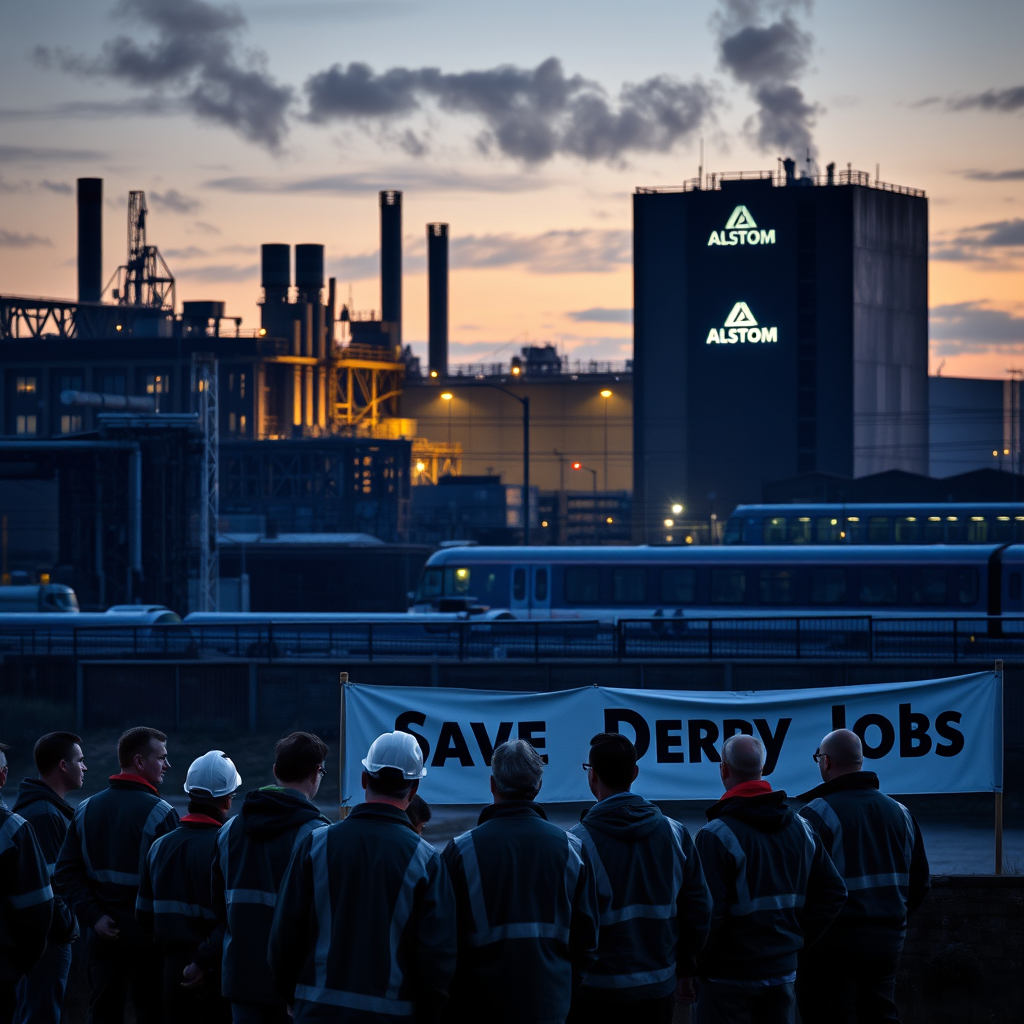
The Precarious Future of Alstom’s Derby Factory: A Case Study in UK Rail Manufacturing
This article examines the critical situation facing Alstom’s Litchurch Lane Works in Derby, UK, a historically significant railway manufacturing facility now threatened by job losses and a lack of contracted work. The uncertainty surrounding the factory’s future highlights broader issues within the UK rail industry, including government procurement strategies, the impact of large-scale infrastructure project delays (such as HS2 (High-Speed 2)), and the need for a robust industrial strategy to safeguard highly skilled jobs. We will analyze the contributing factors to this crisis, explore potential solutions, and consider the wider implications for the UK’s railway manufacturing sector and its workforce. The analysis will delve into the complexities of rail manufacturing contracts, the role of unions in advocating for workers’ rights, and the responsibilities of government in supporting key industries.
The Impact of HS2 Delays and Contractual Gaps
Alstom’s Derby factory, a major employer in the region, secured a contract for the production of rolling stock for HS2. However, significant delays in the HS2 project have created a substantial three-year gap in the factory’s order book. This lack of contracted work has left the factory vulnerable, forcing Alstom to announce potential redundancies affecting up to 600 employees out of a workforce of approximately 2000. The current contracts, such as the monorail project in Egypt, are short-term and will not fill this gap. This situation underscores the critical vulnerability of rail manufacturers to the instability inherent in large infrastructure projects and highlights the need for more robust government planning and risk mitigation strategies.
The Role of Government Procurement and Industrial Strategy
The Unite union has strongly criticized the UK government’s role in the crisis, citing a lack of industrial strategy for UK rail manufacturing and delays in the procurement process for rolling stock refurbishment contracts. The union argues that these delays have exacerbated the situation at Alstom’s Derby factory and are directly contributing to the potential job losses. The government’s seemingly contradictory actions – naming Derby as the “home” of Great British Railways while simultaneously failing to secure sufficient work for a key manufacturer within the city – demonstrate a disconnect between rhetoric and tangible support for the rail industry. This emphasizes the need for a proactive government industrial strategy that proactively secures work for domestic manufacturers and supports skilled employment in the rail sector.
Union Action and Negotiations
Unite the Union, representing a significant portion of Alstom’s workforce, has been actively engaged in negotiations with Alstom and the Department of Transport. The union is advocating for the acceleration of rolling stock refurbishment contracts to fill the gap in Alstom’s order book and prevent further job losses. This highlights the critical role of trade unions in representing workers’ interests during periods of industrial uncertainty. The union’s efforts to secure government intervention underscore the importance of collective bargaining and worker advocacy in mitigating the impact of economic downturns within the rail industry.
Short-Term Solutions and Long-Term Sustainability
Alstom is reportedly collaborating with the government and local authorities to explore short-term solutions. However, the long-term sustainability of the Derby factory remains uncertain. Securing additional contracts, potentially through government intervention and a more robust industrial strategy, is crucial. Furthermore, diversification of the factory’s production portfolio and investments in new technologies could enhance its resilience to future fluctuations in the rail industry. Long-term planning and collaboration between government, industry, and labor are essential to ensuring the future viability of this vital manufacturing facility.
Conclusions
The situation at Alstom’s Derby factory serves as a stark warning about the fragility of the UK rail manufacturing sector and the significant impact of government policies and infrastructure project delays. The potential loss of up to 600 highly skilled jobs not only represents a blow to the local economy but also raises concerns about the UK’s ability to maintain its expertise in this critical area. The lack of foresight and proactive planning in government procurement strategies has significantly contributed to this crisis. The absence of a coherent industrial strategy specifically addressing the needs of UK rail manufacturers further exacerbates the problem. Unite’s active role in advocating for its members underscores the crucial importance of strong union representation in safeguarding workers’ rights and livelihoods. The future of the Derby factory hinges on collaborative efforts involving the government, Alstom, and the union to secure new contracts, promote diversification, and implement a long-term strategy that ensures the sustainable growth of the UK rail manufacturing industry. A renewed focus on effective government procurement, strategic investment, and robust industry partnerships is vital not only to save jobs in Derby but to safeguard the future of the entire sector. This requires a comprehensive review of government procurement processes, a commitment to long-term investment in domestic manufacturing, and the establishment of a cohesive national industrial strategy designed to support UK rail manufacturing’s competitiveness on a global scale. The current crisis is not merely a localized problem, but a symptom of wider systemic issues that require immediate and sustained attention.
RELATED POSTS

November 2, 2021 2:35 am
This article delves into the complexities of securing federal funding...

December 15, 2009 9:13 pm
The World Bank and African Development Bank have agreed to...
September 6, 2025 2:37 pm
Port NOLA partners with Lineage Inc. to streamline food imports,...
January 23, 2021 11:10 pm
High-Speed Rail Maintenance: A Case Study of Siemens Mobility and...
January 9, 2026 5:39 pm
Kentucky invests $3 million in rail projects, enhancing safety and...
October 2, 2019 10:32 am
Introduction This article explores Network Rail’s (the UK’s infrastructure manager...