
Alstom Citadis: Frankfurt’s LRT Advancements
Frankfurt’s new Citadis trams: 100% low-floor accessibility, cutting-edge technology, and enhanced passenger experience. Discover how Alstom’s innovation is revolutionizing light rail!
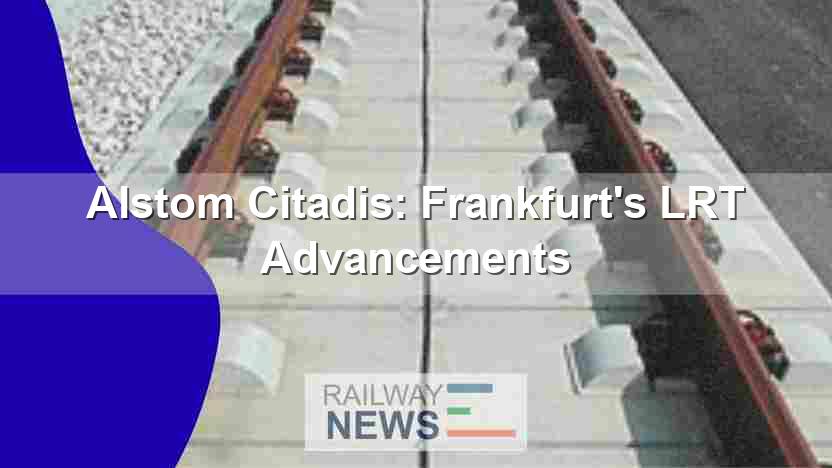
This article examines the contract awarded to Alstom by Stadtwerke Verkehrsgesellschaft Frankfurt am Main (VGF) for the supply of 38 Citadis trams to Frankfurt, Germany. The €100 million contract represents a significant investment in upgrading Frankfurt’s light rail infrastructure and showcases the ongoing evolution of modern light rail transit (LRT) systems. We will explore the technical specifications of the Citadis tram, its key features designed to enhance passenger experience and operational efficiency, and the broader implications of this project for urban transportation in Germany and globally. The analysis will delve into the factors driving the selection of Alstom’s Citadis tram, including its proven track record, technological advancements, and commitment to accessibility and sustainability. Finally, we will consider the broader context of this deal within the landscape of European urban transportation development and its potential impact on future LRT procurement strategies.
The Citadis Tram: Design and Technology
Alstom’s Citadis trams are renowned for their modern design and technological advancements. The Frankfurt order specifies 38 three-car trams, each measuring 31.5 meters in length and capable of carrying up to 197 passengers. A key feature is the 100% low-floor design, ensuring seamless accessibility for all passengers, including those with mobility impairments. The trams boast large glass surfaces, enhancing passenger comfort and providing excellent visibility. LED lighting systems provide soft, homogeneous illumination, while large passenger information screens display real-time travel updates. Further enhancing passenger comfort, the trams feature large individual seats and double-doors along their entire length to facilitate rapid boarding and alighting.
Operational Efficiency and Technological Integration
Beyond passenger comfort, the Citadis trams for Frankfurt incorporate several features aimed at maximizing operational efficiency. These include driver assistance systems, automatic dipped beam headlights, and rain sensors, all designed to improve safety and driver experience. The use of steel carriages, a specification tailored to the German market, along with four pivoting bogies, offer enhanced flexibility and maneuverability on the existing Frankfurt tramway network. This combination of features demonstrates a commitment to not only providing a comfortable passenger experience but also optimizing the operational performance of the LRT system.
Alstom’s Global Reach and Market Position
The Frankfurt contract underscores Alstom’s significant market position in the global LRT sector. With over 2,500 Citadis trams sold in more than 50 cities worldwide, and 2,000 currently in operation covering over 1 billion kilometers, the Citadis has a proven track record of reliability and performance. This substantial deployment provides valuable data and feedback that continuously informs Alstom’s design and engineering processes, leading to further improvements in future iterations of the Citadis tram. The Frankfurt project further solidifies Alstom’s position as a leading provider of sustainable and efficient urban transportation solutions.
The Broader Implications for Urban Transportation
The Frankfurt contract is not just about the supply of 38 trams; it represents a significant investment in modernizing urban transport infrastructure. The project highlights the growing demand for accessible, efficient, and sustainable light rail systems in densely populated European cities. The choice of Alstom’s Citadis, with its focus on passenger comfort, technological integration, and operational efficiency, points to a broader trend towards prioritizing the overall passenger experience and the seamless integration of technology in urban transportation networks. Additionally, the optional provision for an additional 15 trams and the inclusion of maintenance and training services highlight the long-term commitment of Alstom to the success of the Frankfurt LRT system.
Conclusion
Alstom’s contract to supply 38 Citadis trams to Frankfurt marks a significant milestone in the city’s ongoing efforts to modernize its public transportation network. The selection of the Citadis underscores the tram’s capabilities in providing a comfortable, efficient, and accessible transportation solution. The tram’s design features, including its 100% low-floor design, advanced passenger information systems, and driver assistance technologies, demonstrate a commitment to enhancing both passenger experience and operational efficiency. Moreover, the contract reflects Alstom’s global market leadership in the light rail sector, highlighting the company’s capacity to deliver innovative and sustainable transportation solutions on a large scale. Beyond the immediate impact on Frankfurt’s transportation system, this project serves as a strong example of how modern LRT systems can contribute to creating more sustainable and efficient urban environments, ultimately improving the quality of life for residents. The success of this project will undoubtedly influence future LRT procurement strategies in other European cities and beyond, furthering the development and implementation of innovative and environmentally responsible urban transportation solutions.

Railway infrastructure, rolling stock and transport technologies specialist focused on global rail industry developments, high-speed rail systems, signaling technologies and freight transportation. Covering railway investments, public transport modernization, rail operations and international mobility projects across Europe, Asia and North America.
RELATED POSTS

September 5, 2026 4:19 pm
CPK launched formal tender talks with four consortia to design...

September 5, 2026 7:14 pm
HS2 Ltd signed renegotiated civils contracts with EKFB and Align...

September 6, 2026 4:12 am
Alstom delivered the first of 100 new G Class trams...

September 6, 2026 8:17 am
DB InfraGO reopened the Nuremberg-Regensburg line in Bavaria on 31...
September 5, 2026 6:17 pm
Universal Signalling won a deal to install its U-Cross system...
September 5, 2026 11:20 pm
CN confirmed 70 shipper projects entered service in 2025, backed...