
Alpha Trains: EURO9000 Locomotive Acquisition, A Strategic Move
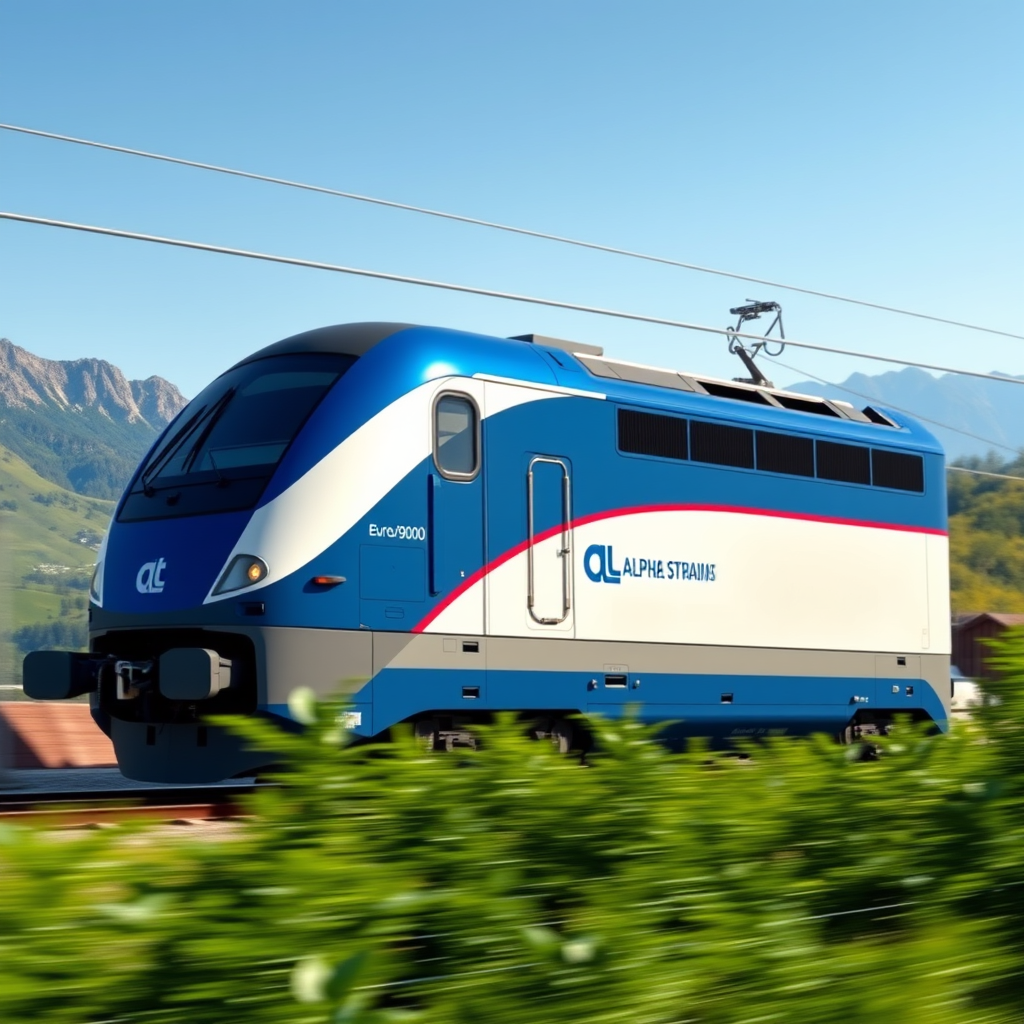
This article examines Alpha Trains’ recent acquisition of twelve Stadler EURO9000 locomotives, a significant development within the European railway leasing sector. This purchase underscores several key trends in the industry: the growing emphasis on sustainable transportation, the increasing importance of multi-system locomotives for efficient cross-border freight operations, and the enduring partnership between leading rolling stock lessors and manufacturers. We will delve into the strategic implications of this deal, exploring its contribution to the overall market dynamics and its alignment with broader industry goals. We will also examine the technological aspects of the EURO9000 locomotive, its environmental benefits, and the financial aspects of this substantial investment. Finally, the lasting impact of this acquisition on the railway freight sector in Europe will be analyzed, focusing on the broader economic and operational advantages it offers.
The Strategic Significance of Alpha Trains’ Investment
Alpha Trains’ purchase of the EURO9000 locomotives represents a strategic move solidifying its position as a leading player in the European rolling stock leasing market. This acquisition not only expands its fleet but also signals a commitment to providing state-of-the-art, environmentally friendly rolling stock to its customers. The locomotives’ multi-system capabilities (capable of operating on multiple electrical systems) enhance their operational flexibility and commercial viability, appealing to customers seeking cross-border freight transport solutions. The investment also highlights the growing trend of collaboration between major leasing companies and manufacturers, enabling efficient and effective deployment of modern, sustainable railway technology. This partnership between Alpha Trains and Stadler, already extensive with over 283 units previously leased, further demonstrates this trend. The funding provided by the German Federal Ministry for Digital and Transport also points to governmental support for sustainable rail freight solutions.
Technological Advancements and Environmental Sustainability
The EURO9000 locomotive’s design incorporates advanced technology, reflecting the industry’s shift towards sustainability. Equipped with both electric and diesel power units, the EURO9000 offers greater operational flexibility, reducing reliance on solely diesel-powered locomotives and minimizing the environmental impact. The electric capability facilitates operation across various electrified rail networks, while the diesel engines provide backup for non-electrified lines. This multi-system approach is crucial for seamless cross-border freight transport within Europe’s diverse rail infrastructure. The dual-mode system represents a significant step towards a more environmentally friendly freight transport model, reducing reliance on less sustainable road freight alternatives and supporting the modal shift initiatives within Europe. The reduced reliance on diesel improves air quality and decreases greenhouse gas emissions.
Financial Aspects and Market Implications
The €15 million ($15.9 million USD) investment reflects the substantial cost of modern, high-performance freight locomotives. This figure underscores the financial commitment required to upgrade rail freight infrastructure and the growing importance of sophisticated rolling stock in modern rail operations. However, the expected return on investment is likely significant considering the increased efficiency and market demand for sustainable freight solutions. The acquisition’s effect on the broader market is potentially substantial, driving competition within the rail freight sector and influencing the adoption of similar technologically advanced and environmentally conscious locomotives by other companies.
Operational Efficiency and the Modal Shift
The EURO9000 locomotives’ operational efficiency is a major factor in this acquisition. Improved energy efficiency, enhanced speed capabilities, and robust technological features directly translate to cost savings and increased productivity for Alpha Trains’ customers. This enhanced efficiency strengthens the competitiveness of rail freight against road transport, contributing to the much-needed modal shift (transferring freight from road to rail). This transition is crucial for reducing road congestion, lowering carbon emissions, and improving overall transportation sustainability. The increased capacity and reduced transit times also contribute to better supply chain logistics, creating economic benefits for both the freight operators and the wider economy.
Conclusion
Alpha Trains’ purchase of twelve Stadler EURO9000 locomotives signifies a substantial advancement within the European railway freight sector. The acquisition reflects a strategic commitment to sustainability, operational efficiency, and a strengthening partnership with a leading rolling stock manufacturer. The locomotives’ multi-system capabilities and hybrid power configuration represent a significant step towards environmentally friendly rail freight transport, directly addressing the need for reduced carbon emissions and improved air quality. The substantial financial investment underscores the growing importance of modernizing railway infrastructure and the market’s focus on technologically advanced and sustainable solutions. This purchase not only strengthens Alpha Trains’ position as a leading leasing company but also contributes significantly to the ongoing modal shift from road to rail, driving economic benefits and promoting sustainability within the European freight transport industry. The long-term impacts of this initiative will likely be far-reaching, influencing the direction of future technological developments and industry standards, ultimately contributing to a more efficient, sustainable, and environmentally responsible freight transportation system within Europe. The success of this initiative will be a strong indicator of the widespread adoption of multi-system locomotives and the acceleration of the shift from road to rail freight transport.