
Alfreton Station: Inclusive Rail Upgrades for UK Accessibility
Alfreton station reopened with improved accessibility, including lifts and tactile paving, funded by DfT. Network Rail’s East Midlands route completed the upgrades.
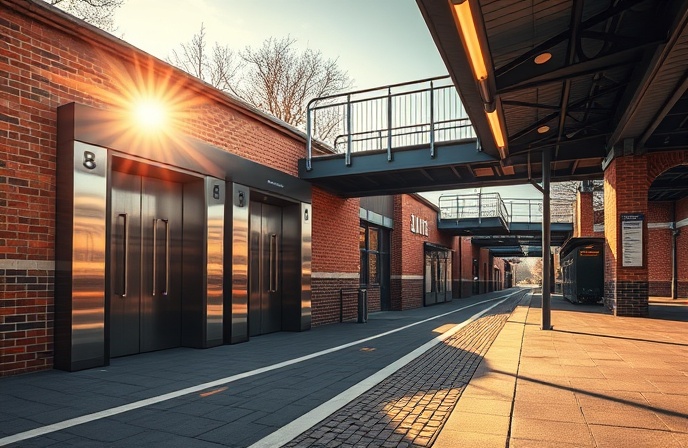
Alfreton Station Unveils Accessibility Enhancements, Welcoming a New Era of Inclusive Rail Travel
Alfreton station in Derbyshire has officially reopened following a comprehensive accessibility upgrade, marking a significant step forward in making rail travel more inclusive. Funded through the Department for Transport’s (DfT) Access for All scheme and delivered by Network Rail’s East Midlands route, the project has transformed the station into a more user-friendly environment for all passengers. The upgrades, completed recently, include the installation of new lifts, a fully refurbished footbridge, a new ramp and steps connecting the car park to the station entrance, resurfaced platforms featuring tactile paving, and upgraded lighting and CCTV systems. The official opening, attended by local dignitaries and community representatives, celebrated the completion of the work and the enhanced experience it provides. This article will delve into the specifics of the project, highlighting the improvements and their impact on accessibility.
Enhancing Accessibility: The Core of the Project
The primary aim of the Alfreton station upgrade was to dramatically improve accessibility for all passengers, particularly those with mobility impairments, the elderly, and those with young children. This was achieved through a series of carefully planned infrastructure improvements. The installation of two new lifts ensures that all platforms are accessible, eliminating the need for passengers to navigate stairs. The refurbishment of the footbridge enhanced passenger flow and safety, while the construction of a new ramp and steps provides a more direct and accessible route from the car park to the station entrance. The resurfacing of the platforms with tactile paving, which provides a textured surface to aid visually impaired passengers, is a crucial safety feature. The upgrades reflect a commitment to providing a safe and easy-to-use station for everyone.
Platform and Safety Improvements
Beyond accessibility, the project also focused on improving platform safety and passenger comfort. The resurfacing of the platforms with tactile paving, a crucial element for passengers with visual impairments, significantly enhances safety. The upgrade to the lighting and CCTV systems further contributes to passenger safety and security. These improvements create a more welcoming environment, and also offer improved surveillance capabilities. These enhancements address critical safety aspects, aligning with industry best practices, and demonstrating a commitment to overall passenger safety, comfort, and security.
Project Delivery and Stakeholder Collaboration
The success of the Alfreton station project is a testament to the effective collaboration between Network Rail, the DfT, and local stakeholders. The project was delivered by Network Rail’s East Midlands route, demonstrating their expertise in managing complex railway infrastructure projects. The presence of local dignitaries and community representatives at the opening event indicates the importance of this investment in enhancing the rail travel experience for the local community. Such cooperation ensures the efficient completion of projects and also builds trust between the railway industry and the communities it serves.
Conclusion
The Alfreton station upgrades represent a vital investment in railway infrastructure, and will have a lasting positive impact on the lives of those in the community. The enhanced accessibility features, including the lifts, ramps, and tactile paving, remove barriers to rail travel for a broader range of passengers. The project serves as an excellent example of how strategic investment, delivered collaboratively, can transform stations into welcoming and user-friendly environments. These kinds of accessibility improvements are critical for the future of rail travel, ensuring it remains a viable and inclusive mode of transport for all. This project reflects the ongoing efforts within the rail industry to adapt to the evolving needs of passengers. Further investments will likely focus on integrating these technologies, and adapting infrastructure to ensure a truly universal travel experience, improving station experiences across the UK.
RELATED POSTS
May 8, 2025 12:06 am
Rigorous Testing of New London Underground Rolling Stock: A Comprehensive...
November 25, 2025 8:01 pm
MBTA completes $12M rail replacement on the Fairmount Line. This...
February 7, 2026 8:06 pm
RIA Training Services completes its first year, training over 100...

December 6, 2019 10:47 pm
Introduction This article delves into the complexities of the planned...
March 5, 2026 1:38 pm
Wabtec finalized its acquisition of Sweden's Dellner Couplers on February...
December 15, 2025 7:40 pm
OmniTRAX's Ashley Wolfe earns Certified Economic Developer accreditation, joining an...