Agra Metro Rail Project: Uttar Pradesh, India
Agra’s new metro rail project, spanning 29.4km with 27 stations, is underway, boosting tourism and easing traffic congestion.

Agra Metro Rail Project, Uttar Pradesh, India
This article delves into the Agra Metro Rail Project (AMRP), a significant urban mass rapid transit system (MRTS) under development in Agra, Uttar Pradesh, India. The project aims to address the growing transportation needs of Agra, a city renowned for its historical landmarks and burgeoning population, by providing a modern, efficient, and sustainable public transit solution. The analysis will explore the project’s scope, technological advancements employed, financial aspects, and the key players involved in its execution. Furthermore, the article will assess the project’s potential impact on the city’s social and economic fabric, considering its role in alleviating traffic congestion, improving connectivity to tourist destinations like the Taj Mahal, and stimulating economic growth through job creation and improved accessibility. The ultimate goal is to understand the intricacies of this ambitious undertaking and evaluate its success in meeting its projected targets and societal benefits.
Project Overview and Scope
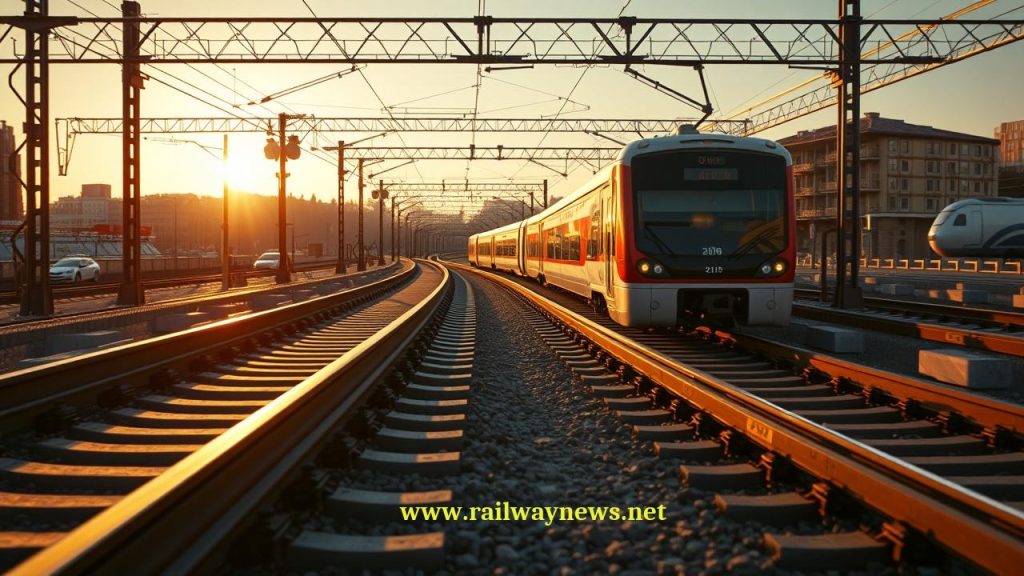
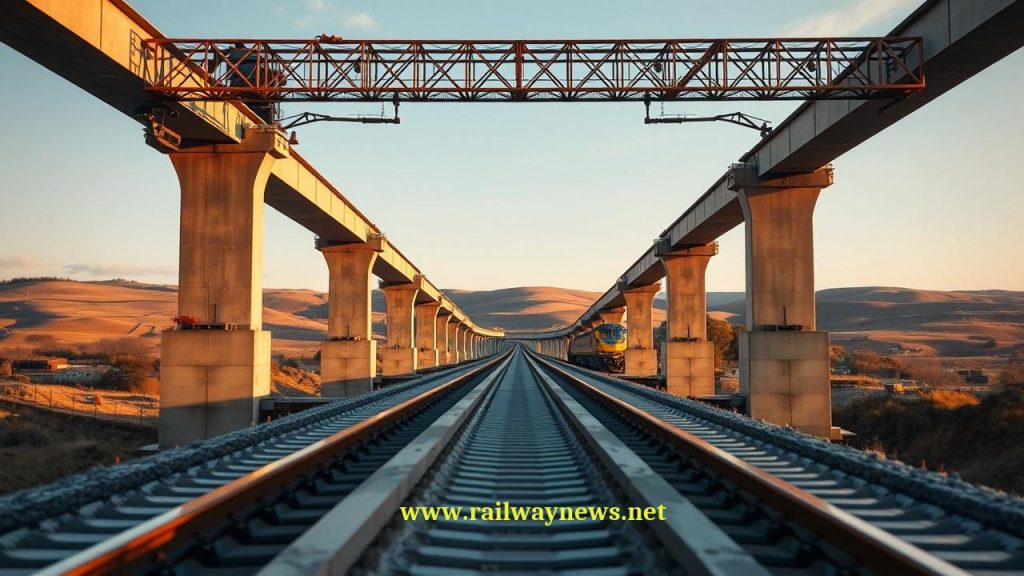
The Agra Metro Rail Project is a multi-phased initiative designed to create a comprehensive metro network within Agra. Phase one, currently under construction, encompasses two corridors totaling 29.4km and includes 27 stations. Corridor 1, spanning 14km, will connect Sikandara to Taj East Gate, featuring a mix of elevated and underground sections. Corridor 2, a 15.4km elevated line, will link Agra Cantonment to Kalindi Vihar. A key feature of the design is the inclusion of an interchange station at St. John’s College, facilitating seamless transfers between the two corridors. The system will utilize a standard gauge track (1,435mm) enabling trains to operate at a maximum speed of 90km/h. The project also incorporates extensive pedestrian infrastructure, including walkways, skywalks, and subways, to prioritize passenger safety and convenience.
Technological Advancements and Infrastructure
The Agra Metro is being built with cutting-edge technology to ensure efficiency, safety, and passenger comfort. Alstom is supplying MOVIA metro three-car trainsets, known for their high acceleration and deceleration capabilities, allowing for a maximum operational speed of 120km/h. The advanced Bombardier CITYFLO 650 rail control solution, a fully automated signaling system utilizing wireless technology for track-to-train communication, enhances operational safety and efficiency. The trains themselves feature Bombardier MITRAC propulsion and control systems, and BOMBARDIER FLEXX Metro bogies, signifying a commitment to reliable and advanced rolling stock. Furthermore, the project features robust infrastructure, including parking facilities, feeder bus systems, bike-sharing programs, and retail spaces within stations, aiming to provide a fully integrated transportation experience.
Financial Aspects and Funding Sources
The Agra Metro project carries a significant financial investment. The estimated cost for Phase 1 is €908 million ($1,099.39 million). Funding is secured through a combination of national and state government contributions on an equal equity basis, supplemented by international funding agencies. A notable contribution comes from the European Investment Bank (EIB), which has approved a €450 million ($545 million) loan, with the first tranche of €250 million ($283 million) already disbursed.
Project Management and Key Players
The successful execution of the Agra Metro relies on a collaborative effort involving various organizations. Rail India Technical and Economic Service (RITES) prepared the detailed project report (DPR). Alstom, having acquired Bombardier Transportation, is responsible for supplying the rolling stock and signaling systems. Several other key contractors are involved: Sam India Builtwell (construction of elevated viaducts and stations), Larsen & Toubro (L&T) (ballastless tracks and fastening systems), HFCL (telecommunication systems), and East Metals (supply of rails). The Uttar Pradesh Metro Rail Corporation (UPMRC) serves as the primary implementing agency.
| Project Parameter | Details |
|---|---|
| Project Name | Agra Metro Rail Project |
| Location | Agra, Uttar Pradesh, India |
| Project Cost (Estimated) | €908m ($1,099.39m) |
| Project Length (Phase 1) | 29.4km (Corridor 1: 14km, Corridor 2: 15.4km) |
| Number of Stations (Phase 1) | 27 |
| Gauge | 1,435mm standard gauge |
| Maximum Speed | 90km/h (operational), 120km/h (maximum train speed) |
| Rolling Stock Supplier | Alstom (MOVIA metro trainsets) |
| Signaling System | Bombardier CITYFLO 650 |
| Projected Daily Ridership (2024, 2031, 2041) | 570,000, 740,000, 870,000 respectively |
Conclusions
The Agra Metro Rail Project represents a significant investment in improving urban mobility and connectivity within Agra. The project’s ambitious scope, incorporating advanced technology and infrastructure, aims to address the city’s growing transportation challenges. The utilization of modern signaling systems, such as the Bombardier CITYFLO 650, coupled with high-performance rolling stock from Alstom, promises enhanced efficiency and passenger comfort. The strategic financing model, combining government funds with international loans, demonstrates a commitment to ensuring project completion. The involvement of experienced contractors like Larsen & Toubro, Sam India Builtwell, and HFCL, indicates a focus on effective execution. The successful completion of Phase 1 is anticipated to significantly reduce traffic congestion, improve accessibility to key tourist sites, and contribute to the city’s economic development. However, the long-term success of the Agra Metro will depend on factors such as effective operational management, sustained ridership growth, and successful integration with other modes of transport. Continuous monitoring and evaluation of the system’s performance will be crucial to ensuring that the project meets its intended goals and provides lasting benefits to the citizens of Agra.
The project’s successful implementation will not only alleviate traffic congestion in Agra but also significantly contribute to the city’s economic development by improving accessibility to crucial areas like the Taj Mahal and boosting tourism. The use of state-of-the-art technology, as evidenced by the collaboration with Alstom and Bombardier, ensures that the system will be efficient, safe, and sustainable. The multi-faceted funding strategy, involving both domestic and international investors, underscores the project’s importance and viability. The project’s impact extends beyond transportation; it serves as a catalyst for economic growth, job creation, and infrastructural development. However, long-term success hinges on efficient operation, effective marketing, and seamless integration with existing public transport systems. Continuous monitoring and adjustments will be necessary to meet the projected ridership targets and optimize the system’s performance.
Company Information:
- Alstom: A global leader in the design, manufacture, and maintenance of rolling stock and railway systems.
- Bombardier Transportation (acquired by Alstom): A former major player in the railway industry, now integrated into Alstom.
- Rail India Technical and Economic Service (RITES): A government-owned engineering consultancy firm providing services to the railway sector.
- Sam India Builtwell: A general contractor specializing in infrastructure projects.
- Larsen & Toubro (L&T): A large Indian multinational conglomerate with diverse interests, including infrastructure and engineering.
- HFCL: An Indian telecommunications company.
- East Metals: A Swiss iron and steel products trading company.
- European Investment Bank (EIB): A European Union financial institution providing loans for infrastructure and other projects.