
Advanced Railway Signaling: Future Trends & Efficiency
Here are a few voiceover-friendly excerpts for railway professionals:
1. **Modern railway signaling is the nervous system of a smart rail network, enhancing safety and efficiency for operators and passengers.** (19 words)
2. **Explore the future of rail! Discover how advanced signaling systems, from ATP to CBTC, are revolutionizing railway operations globally.** (20 words)
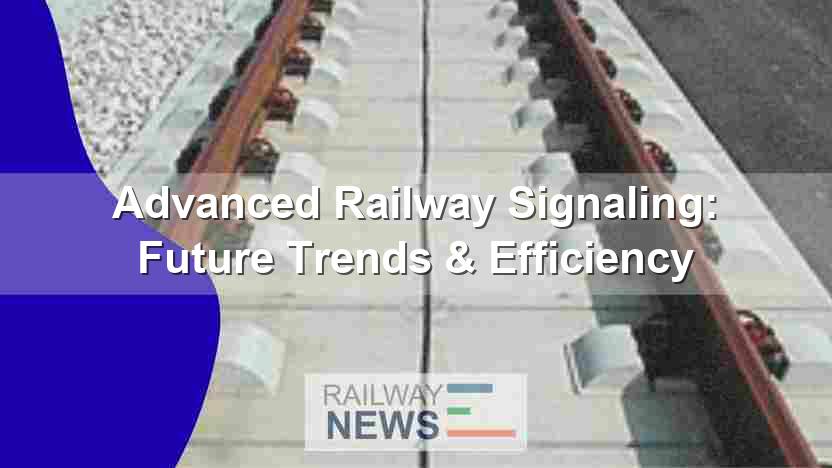
Enhancing Railway Efficiency: A Deep Dive into Modern Signaling Systems
The relentless pursuit of efficiency and safety within the railway industry necessitates constant innovation. At the heart of this evolution lies advanced signaling systems, the nervous system of any modern railway network. This article will explore the crucial role of these systems, examining their impact on operational capacity, passenger safety, and the overall economic viability of rail transport. From the intricacies of automated train protection (ATP) to the advantages of communications-based train control (CBTC), we will delve into the technologies shaping the future of railway operations. The discussion will also highlight the challenges associated with implementing these complex systems and the benefits they bring to both operators and passengers. This exploration will illuminate the vital role signaling systems play in creating safer, more reliable, and more efficient railway networks worldwide.
## The Core Function of Railway Signaling
The primary function of a railway signaling system is to ensure the safe and efficient movement of trains. This is achieved through a complex interplay of trackside and onboard equipment that monitors train positions, regulates speed, and prevents collisions. Traditional signaling systems, often relying on fixed block sections and track circuits, provide a foundational level of safety. These systems divide the railway line into discrete blocks, and only one train is permitted within a block at any given time. Signals along the track indicate the status of each block, allowing drivers to make informed decisions about speed and movement. However, these systems can be relatively inflexible, limiting the throughput of trains and potentially reducing operational efficiency.
## Advancements in Train Control Technology
Modern railway signaling has witnessed remarkable advancements, particularly with the advent of ATP and CBTC systems. ATP systems enhance safety by automatically enforcing speed restrictions and preventing trains from exceeding permitted speeds. If a driver fails to respond appropriately to a signal, the ATP system will intervene, applying the brakes to bring the train to a safe stop. CBTC systems, on the other hand, represent a more sophisticated approach. These systems use continuous, two-way communication between the train and a central control system to determine the exact location of each train. This allows for more dynamic control of train movements, enabling shorter headways (the time between trains) and increased line capacity. CBTC systems often eliminate the need for fixed block sections, allowing trains to operate closer together while maintaining safety.
You might be interested in:
Last November 2018, we published an article about Montreal’s AZUR trainsets upgrade. Click here to read – Montreal Metro’s AZUR Upgrade: $340M Investment, Impact & Innovation
## Challenges and Considerations in Implementation
Implementing advanced signaling systems is a complex undertaking, requiring significant investment, careful planning, and the integration of various technologies. Challenges include the need for extensive trackside infrastructure, the integration of new systems with existing legacy systems, and the training of personnel. Additionally, ensuring cybersecurity is paramount, as modern signaling systems are vulnerable to cyberattacks. The migration from older systems to newer technologies can also be a lengthy and costly process, often involving phased implementation and rigorous testing to minimize disruption to service. Careful consideration must also be given to interoperability, ensuring that different signaling systems can communicate effectively, especially in cross-border operations or networks with multiple operators.
## The Future of Railway Signaling
The future of railway signaling is focused on further automation, increased data utilization, and enhanced connectivity. Artificial intelligence (AI) and machine learning (ML) are expected to play a greater role in optimizing train movements, predicting potential problems, and improving overall system efficiency. The integration of the Internet of Things (IoT) will allow for real-time monitoring of track conditions, rolling stock performance, and environmental factors, enabling proactive maintenance and improved asset management. Additionally, the development of standardized communication protocols and open architectures will enhance interoperability and reduce the cost and complexity of implementing new signaling systems. The continued evolution of these technologies will be essential for meeting the growing demands of the global railway industry. The *Bombardier signaling solution Kuala Lumpur* is a prime example of how these advanced systems are being successfully deployed to enhance urban rail networks.
To summarize, railway signaling systems are fundamental to the safe and efficient operation of modern railways. From traditional block signaling to cutting-edge CBTC and ATP technologies, these systems have undergone continuous evolution to meet the ever-increasing demands of the industry. While implementing advanced signaling systems presents challenges, the benefits are significant, including increased line capacity, improved safety, and enhanced operational efficiency. Investing in these technologies is crucial for railway operators aiming to improve service reliability, reduce operational costs, and provide a superior passenger experience. The ongoing advancements in areas like AI, IoT, and standardized communication protocols will further transform the industry, leading to more intelligent, responsive, and sustainable railway networks. The future of rail transport is undoubtedly intertwined with the continued development and deployment of these sophisticated signaling solutions, ensuring that railways remain a vital mode of transportation for years to come.

Railway infrastructure, rolling stock and transport technologies specialist focused on global rail industry developments, high-speed rail systems, signaling technologies and freight transportation. Covering railway investments, public transport modernization, rail operations and international mobility projects across Europe, Asia and North America.
RELATED POSTS
June 2, 2026 8:44 am
⚡ In Brief: The UK Office of Rail and Road...
June 2, 2026 10:31 am
⚡ In Brief: The UK’s Office of Rail and Road...
June 2, 2026 11:37 am
⚡ In Brief: The UK’s Office of Rail and Road...
June 1, 2026 9:19 pm
300 IBEW signal workers initiated a strike against Canadian Pacific...
June 1, 2026 6:57 pm
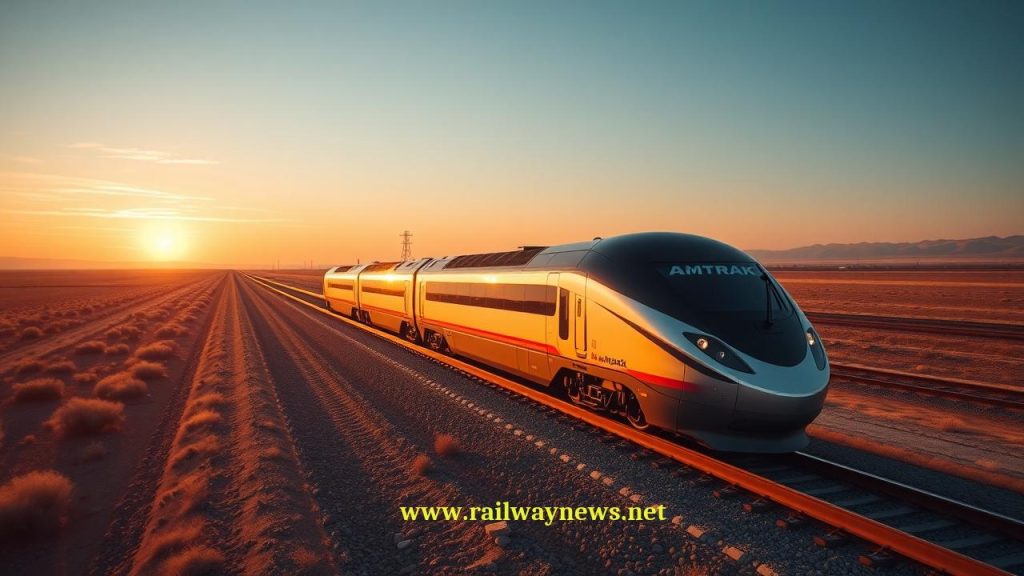
Amtrak confirmed the delivery of its first Airo trainset for...
June 1, 2026 9:25 am
Lumo launched its new Stirling-London Euston West Coast Main Line...