
AD Ports & KTZ: Reshaping Central Asian Trade
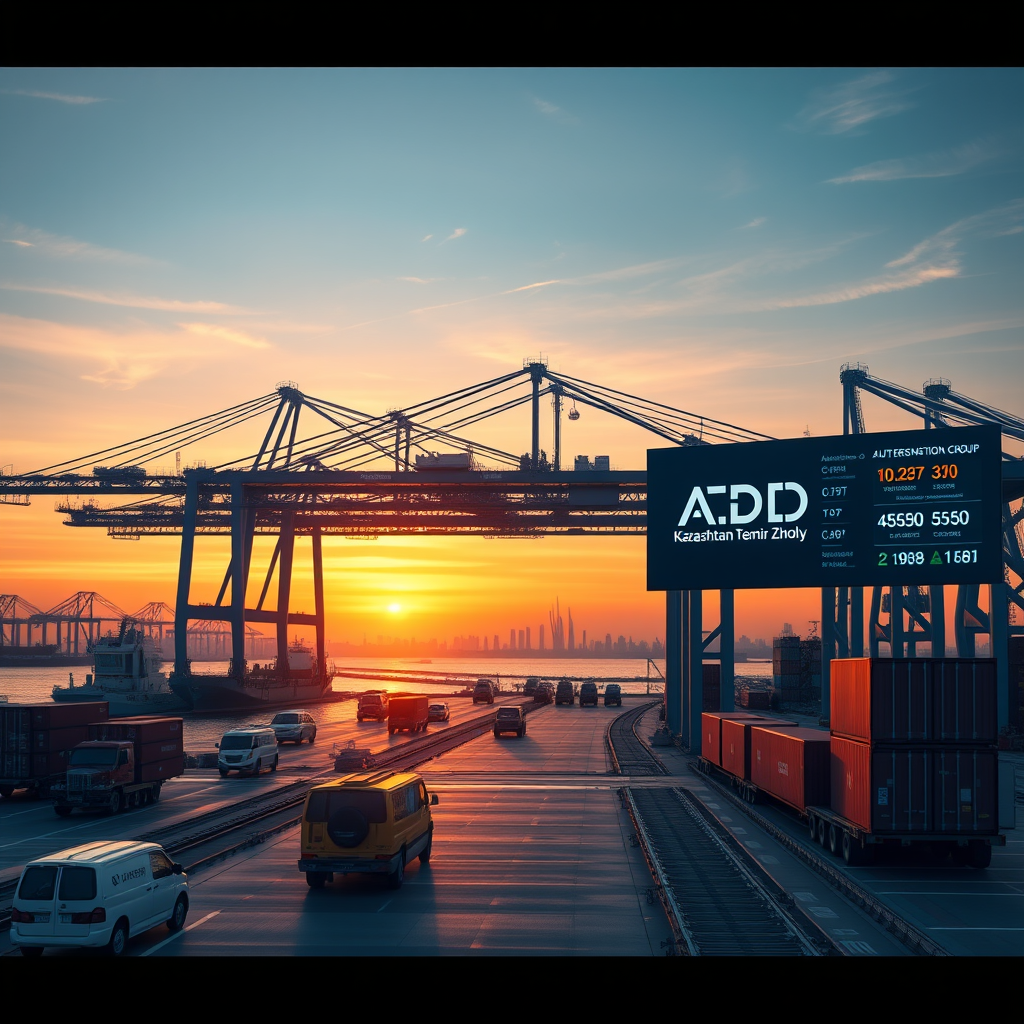
This article examines the strategic partnership between AD Ports Group (Abu Dhabi Ports Group) and Kazakhstan Temir Zholy (KTZ, or Kazakhstan Railways), focusing on its implications for regional trade, infrastructure development, and the broader global maritime industry. The joint venture, with AD Ports holding a 51% stake and KTZ holding 49%, aims to significantly improve rail and maritime connectivity across Central Asia. This collaboration represents a crucial step in optimizing logistics, streamlining trade routes, and fostering economic growth in the region. The partnership leverages the expertise of both organizations—AD Ports’ maritime experience and KTZ’s extensive rail network—to create a synergistic approach to infrastructural development and operational efficiency. This analysis delves into the specific goals of the partnership, explores the potential benefits for various stakeholders, and considers the long-term implications for regional and global trade dynamics. The analysis will further examine the technological advancements, including the application of Intelligent Transportation Systems (ITS), that will facilitate the joint venture’s success.
The Strategic Rationale Behind the Partnership
The partnership between AD Ports and KTZ is driven by a mutual recognition of the significant economic benefits of enhanced connectivity between Central Asia and the Arabian Gulf. For AD Ports, the venture expands its global reach and provides access to the burgeoning Central Asian market, enriching its portfolio of port operations and logistics services. The partnership aligns with AD Ports’ broader strategic objective of becoming a leading global maritime hub. For KTZ, the collaboration provides crucial access to advanced technologies and maritime expertise, allowing them to upgrade their existing infrastructure and significantly boost Kazakhstan’s export capabilities. The partnership addresses the longstanding challenge of efficient trade routes between Central Asia and global markets by creating a more integrated and streamlined transport corridor. This allows for increased trade volumes and strengthens Kazakhstan’s position as a critical transit point in the region.
Infrastructure Development and Technological Integration
A key focus of the joint venture is the development of port infrastructure on the Caspian Sea. This includes the creation of modern trade hubs equipped with advanced digital technologies, including Intelligent Transportation Systems (ITS). The implementation of ITS will enhance operational efficiency, improve tracking and monitoring capabilities, and optimize the flow of goods through the entire transport chain. This technological integration is crucial for achieving significant improvements in speed, efficiency, and cost-effectiveness within the supply chain. The modernization of port facilities and the integration of advanced technology will not only benefit the partners but also stimulate wider economic activity in the region. Investment in improved rail infrastructure within Kazakhstan is equally crucial to the overall success of this initiative, ensuring efficient connections between the Caspian ports and international markets.
Expanding Trade Flows and Economic Growth
The anticipated outcome of the AD Ports-KTZ partnership is a substantial increase in trade flows between Central Asia and the Middle East. By streamlining logistics and providing efficient transport routes, the joint venture aims to significantly increase the volume of goods moving through the Caspian Sea and onward to global markets. This will provide Kazakhstan with greater access to lucrative markets in the Middle East and beyond, promoting economic diversification and reducing reliance on traditional trading partners. The expansion of trade routes and increased efficiency will drive economic growth not just in Kazakhstan, but across the entire Central Asian region, creating opportunities for businesses and jobs throughout the supply chain.
Geopolitical Implications and Future Outlook
This partnership holds significant geopolitical implications. It signifies a strengthening of economic ties between Central Asia and the Middle East, promoting regional stability and economic cooperation. The increased connectivity facilitated by this joint venture can potentially reshape regional trade patterns, fostering greater integration and interdependence among participating nations. The long-term success of the project relies on sustained investment in infrastructure, ongoing technological upgrades, and strong collaboration between AD Ports and KTZ. Further development and optimization of the joint venture will require careful monitoring of trade routes, continuous improvement of transport efficiency, and ongoing adaptation to evolving global market conditions.
Conclusions
The strategic partnership between AD Ports Group and Kazakhstan Railways marks a significant development in regional trade and infrastructure. The joint venture, combining AD Ports’ maritime expertise with KTZ’s extensive rail network, aims to revolutionize transport and logistics across Central Asia. By focusing on the development of Caspian Sea ports, integrating advanced digital technologies like Intelligent Transportation Systems (ITS), and improving the overall efficiency of trade routes, the partnership aims to unlock substantial economic growth. The initiative promises to boost Kazakhstan’s export capabilities, increase trade volumes between Central Asia and the Middle East, and create a more robust and integrated transportation corridor. The successful implementation of this venture hinges on continuous investment in infrastructure, technological advancements, and strong collaborative efforts between the two partners. The long-term implications extend beyond the immediate economic benefits, shaping regional geopolitical dynamics and promoting greater economic interdependence across Central Asia and the wider global market. The anticipated success of this partnership will serve as a model for future collaborations, driving further investment and development in the region. The potential for growth, spurred by efficient logistics and strengthened connectivity, signifies a bright future for trade and economic development in the Central Asian region. However, careful management, continuous adaptation to market fluctuations, and ongoing technological upgrades are vital to ensuring its long-term sustainability and maximizing its economic impact.
RELATED POSTS

July 14, 2019 10:30 am
Introduction The Canadian railway industry, a cornerstone of the nation’s...

September 7, 2025 10:30 pm
HS2 project in the Midlands creates 12,535 local jobs, with...
April 1, 2021 4:28 pm
Boosting Indian Rail Freight Capacity: Alstom’s Contribution to the Dedicated...

January 13, 2026 1:39 am
Dianne Barnett of Norfolk Southern wins Railway Woman of the...
August 31, 2019 7:00 pm
This article delves into a significant railway infrastructure upgrade project...
December 21, 2021 3:08 pm
The Calgary Airport – Banff Rail (CABR) Project: A Deep...