
FTA Amends Transit Grants, Removes Immigration Enforcement Cooperation Mandate
FTA amends transit grants, removing immigration cooperation after a court ruling. This impacts railway sector funding and streamlines agency obligations.

Here’s the “Source Text” with the “Old Article” content inserted before the last paragraph, and the residual HTML code removed:
The Federal Transit Administration (FTA) has rescinded a contractual requirement compelling transit grant recipients to cooperate with federal immigration enforcement, a directive that drew legal challenges. This move follows a federal judge’s ruling on November 4 that deemed the Department of Transportation’s order unlawful, signaling a significant shift in the relationship between federal funding and immigration law enforcement for transit agencies.
| Key Entity | Critical Detail |
|---|---|
| Federal Transit Administration (FTA) | Amended contract condition in grant agreements; rescinded mandatory cooperation with immigration enforcement. |
| U.S. Department of Transportation | Issued the original order mandating cooperation with immigration enforcement. |
| Federal Judge | Ruled on November 4 that the DOT’s order is unlawful. |
| Affected Parties | Transit grant recipients nationwide. |
| Key Date | November 4 (Date of federal judge’s ruling). |
Main Body:
The FTA’s decision to amend grant agreements marks a significant turn after the U.S. Department of Transportation initially informed grant recipients of their obligation to cooperate with U.S. Immigration and Customs Enforcement (ICE) and other Department of Homeland Security components. This directive, communicated via an April letter from the Transportation Secretary, stated that recipients of federal funds are legally bound to comply with all applicable federal laws and regulations, including those pertaining to immigration law enforcement.
Legal Challenge and Judicial Review
The genesis of this amendment lies in a lawsuit filed by several states, which challenged the legality of the Transportation Secretary’s mandate. A federal judge’s decisive ruling on November 4 declared the Department of Transportation’s order unlawful. This judicial intervention effectively nullified the prior requirement, prompting the FTA to revise its contractual stipulations to align with the court’s findings and avoid further legal entanglements.
Implications for Transit Agencies
This policy shift has immediate implications for transit agencies across the country that rely on federal grants for operational funding and infrastructure development. The rescinded condition had placed these agencies in a potentially precarious position, balancing their primary mission of public transportation with the demands of immigration enforcement. The FTA’s amendment provides relief and clarifies their obligations, allowing them to focus on service delivery without the added pressure of cooperating with federal immigration agencies.
Industry Context
Last June 2025, we published an article about Renfe’s cutting-edge Aranjuez maintenance hub. Click here to read – Future of Rail: Renfe’s Railway Technology Hub, Aranjuez: Essential Guide
For transit sector leaders, this development underscores the ongoing tension between federal regulatory oversight and the operational autonomy of public transit systems. The swift legal challenge and subsequent amendment highlight the importance of clear legal frameworks and the potential for federal mandates to impact local service provision. CEOs of transit authorities will be closely monitoring any further guidance from federal agencies to ensure compliance while safeguarding their core mission and community trust.
RELATED POSTS

February 19, 2022 5:29 am
This article analyzes the recent contract awarded to Hitachi Rail...
April 25, 2022 12:17 am
The Transformation of Wales’ Railway Infrastructure: A £5 Billion Investment...
April 1, 2020 4:14 pm
The Impact of the COVID-19 Pandemic on VIA Rail Canada’s...
August 4, 2016 3:53 pm
In 2024, the Port of Rotterdam launches a new **Ticketing...
October 26, 2016 8:21 am
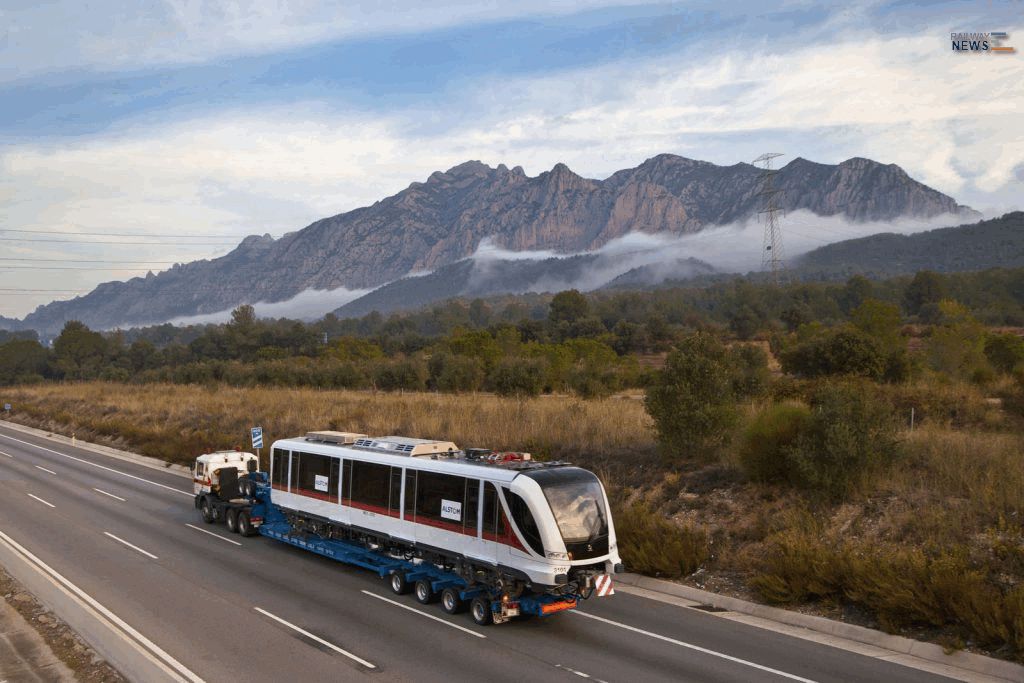
Alstom shipped the first Metropolis trainset for Guadalajara metro Line...

February 20, 2015 11:04 pm
Daktronics (NASDAQ-DAKT) of Brookings, South Dakota, has partnered with Schweizerische...