
Rail Infrastructure: Essential Advancements, Future Trends
Here are a few options for a voiceover-friendly excerpt, focusing on the essence of the article and tailored for railway professionals:
**Option 1 (Focus on Importance):**
> Rail infrastructure is the backbone of modern transport. We’ll explore its critical components, challenges, and the innovations shaping the future of the railway industry.
**Option 2 (Focus on Future):**
> Investing in rail infrastructure is key to a sustainable future. Discover how advancements in signaling and technology are revolutionizing the rail network.
**Option 3 (Focus on Key Components):**
> From tracks to signaling, the vital components of rail infrastructure connect communities and drive economic growth. Let’s dive into the details.

Article title: The Critical Role of Rail Infrastructure in Modern Transportation Networks
Introduction:
The backbone of efficient and sustainable transportation systems relies heavily on robust and well-maintained rail infrastructure. From high-speed passenger lines to the intricate networks that transport goods across continents, railways play a vital role in connecting communities, fostering economic growth, and reducing the environmental impact of travel and shipping. This article will delve into the multifaceted importance of rail infrastructure, exploring its key components, the challenges faced in its development and maintenance, and the innovative solutions being implemented to optimize its performance and ensure its long-term viability. We will examine the critical role of signaling systems, track maintenance, and the impact of technological advancements, offering insights into the future of rail transport and its continued relevance in a rapidly evolving world. Understanding the complexities of rail infrastructure is crucial for policymakers, engineers, and the general public alike, as it directly impacts the quality of life and the economic prosperity of a region.
Rail Infrastructure: The Foundation of Modern Transport
The infrastructure that underpins modern rail networks encompasses a wide range of interconnected elements, each playing a crucial role in ensuring safe, efficient, and reliable operations. These components can be broadly categorized as track, signaling systems, rolling stock, and supporting infrastructure.
* _Track_: This forms the physical pathway for trains, including rails, sleepers (ties), ballast, and subgrade. The design and maintenance of the track are paramount for ensuring the stability and safety of trains, minimizing wear and tear on both the track and the rolling stock. Different track gauges are used globally, impacting interoperability and requiring careful planning for cross-border transport.
* _Signaling Systems_: These are the nervous system of the railway, responsible for controlling train movements, preventing collisions, and optimizing traffic flow. They include signals, switch points, and communication systems that transmit vital information to train drivers and central control centers. Modern signaling systems, such as the European Rail Traffic Management System (ERTMS), are designed to enhance safety and capacity by automating train control and providing real-time information.
* _Rolling Stock_: This refers to the trains themselves, including locomotives, passenger cars, and freight wagons. The design, maintenance, and modernization of rolling stock are essential for enhancing operational efficiency, reducing energy consumption, and improving passenger comfort.
* _Supporting Infrastructure_: This encompasses stations, yards, maintenance facilities, and other structures that support the operation of the rail network. Modernization and expansion of supporting infrastructure are crucial for accommodating increasing traffic volumes and improving the overall passenger experience.
The Challenges of Maintaining and Upgrading Rail Networks
Maintaining and upgrading rail infrastructure presents a complex set of challenges. The aging infrastructure in many regions requires significant investment for repair and replacement. Furthermore, increasing traffic volumes and the demand for higher speeds put additional strain on existing systems.
The implementation of new technologies, while beneficial, can also create challenges. Upgrading signaling systems, for example, requires significant investment and can disrupt existing operations. Collaboration between different stakeholders, including railway operators, infrastructure managers, and government agencies, is crucial for successful project delivery. Moreover, climate change poses a growing threat to rail infrastructure, with extreme weather events causing damage and disrupting services. Effective adaptation strategies, such as strengthening tracks and drainage systems, are essential for ensuring the resilience of rail networks in the face of these challenges.
You might be interested in: “`html
Last October 2018, we published an article about X Train’s strategic acquisition of vintage passenger cars elevating luxury rail travel. Click here to read – X Train’s Luxury Rail Acquisition: Strategic Insights
“`
Technological Advancements Reshaping the Rail Industry
Technological advancements are revolutionizing rail infrastructure, leading to improved efficiency, safety, and performance. These innovations include:
* _Advanced Signaling Systems_: Such systems are at the forefront of railway modernization, offering enhanced safety and allowing for increased track capacity. ERTMS, for instance, provides continuous train control and enables automated train protection, reducing the risk of accidents.
* _Data Analytics and Predictive Maintenance_: Sensors embedded in tracks and rolling stock collect vast amounts of data, enabling railway operators to predict potential failures and schedule maintenance proactively. This reduces downtime, optimizes maintenance costs, and extends the lifespan of infrastructure and equipment.
* _High-Speed Rail Technologies_: These advancements include the development of specialized track, signaling, and rolling stock designs, such as those employed in bullet trains, allowing for faster and more efficient travel. High-speed rail offers a sustainable alternative to air travel and reduces congestion on highways.
* _Digitalization and Automation_: The integration of digital technologies streamlines operations, improves communication, and allows for greater automation in areas such as train dispatching and maintenance. Digitalization also allows for real-time monitoring and control of the rail network.
Conclusion
In conclusion, the vitality of modern transportation networks hinges on the robust and forward-thinking development of rail infrastructure. From the intricate design of track systems to the sophistication of signaling systems and the modernization of rolling stock, each element contributes to the overall safety, efficiency, and sustainability of railway operations. Addressing the challenges of aging infrastructure, increasing traffic demands, and the impacts of climate change requires strategic investment, innovative technologies, and collaborative efforts between stakeholders. The ongoing integration of advanced signaling systems, data analytics, and automation is transforming the industry, paving the way for a more efficient and resilient rail network.
Financing these crucial projects often involves complex financial mechanisms, including _rail bond offerings_, which provide an essential source of capital for infrastructure improvements and expansions. As we look towards the future, a commitment to investing in and upgrading our rail infrastructure is not only crucial for economic growth and connectivity but also for mitigating the environmental impact of transport, making rail a central pillar of a sustainable future. The continued advancement and proper management of rail infrastructure will be crucial in accommodating growing transport needs and fostering a more sustainable and interconnected world.
RELATED POSTS
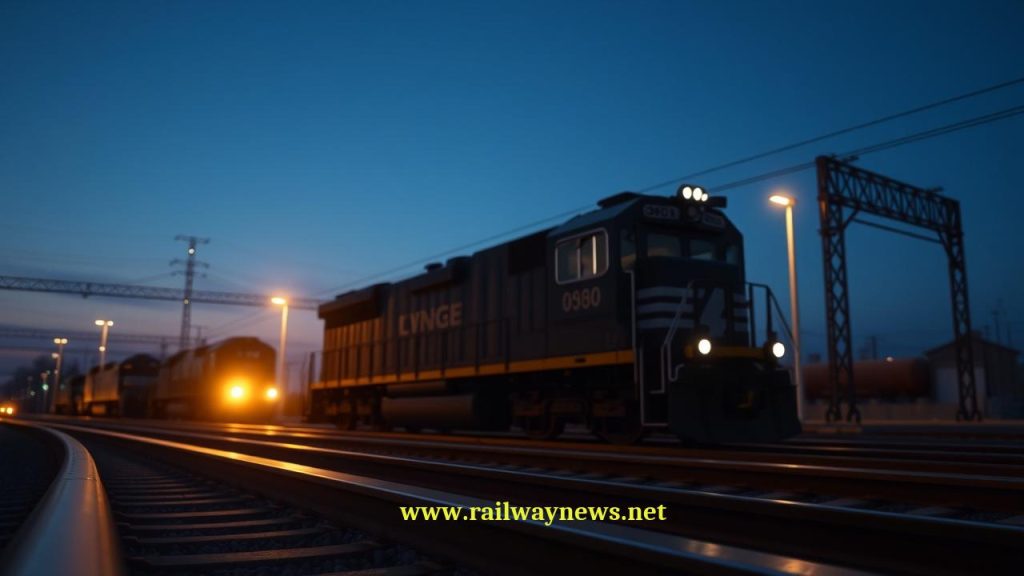
ASLRRA honors Matt Carne and Joe Wilcox with 2026 safety...
October 22, 2018 8:34 pm
Australia's railway system is getting a major upgrade! Composite...
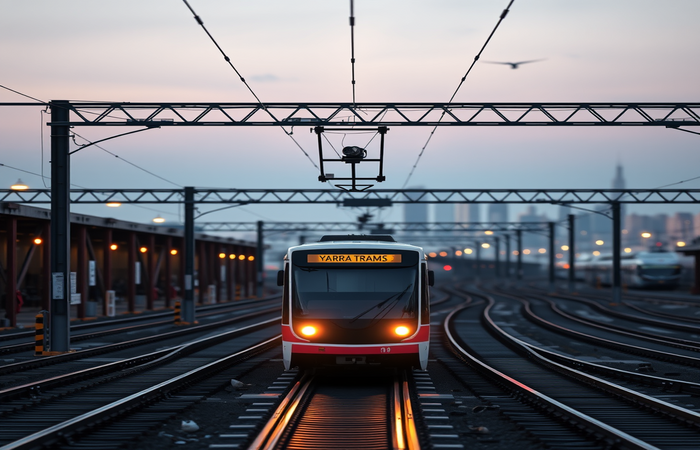
June 11, 2025 4:00 am
Melbourne's Yarra Trams use laser tech to drastically reduce bird...
September 23, 2018 2:37 pm
Network Rail's £1.46 billion commercial estate sale funded vital upgrades,...
February 7, 2017 7:01 am
Here's a voiceover-friendly excerpt:The Akhaura-Agartala railway project, now with a...
September 2, 2022 6:17 pm
Stadler’s TINA Tram: A Case Study in Modern Tramway Technology...