
High-Speed Rail & Railway Infrastructure: Trends, Future & Insights
Here are a few voiceover-friendly excerpts tailored for railway professionals:
**Option 1 (Focus on Efficiency):**
> Modernize your approach to railway infrastructure. Explore how advanced signaling systems and network upgrades boost efficiency and capacity.
**Option 2 (Focus on Sustainability):**
> Sustainable railways: a cornerstone of the future. Discover how electrification and eco-friendly practices are transforming rail operations.
**Option 3 (Focus on the Future):**
> Step into the future of rail! We’re overhauling **regional rail networks** through cutting-edge technology and innovative practices for a sustainable future.

Railway Infrastructure: A Deep Dive into Modernization and Efficiency
In the ever-evolving landscape of transportation, railway infrastructure stands as a cornerstone of economic growth and societal connectivity. This article delves into the intricate world of railway systems, exploring the critical aspects of modernization, technological advancements, and the pursuit of enhanced efficiency. We will examine the pivotal role of signaling systems, the impact of high-speed rail on regional development, the challenges of capacity expansion, and the importance of sustainable practices. The aim is to provide a comprehensive overview of the key elements that shape the modern railway, addressing both the technical complexities and the broader implications for the communities it serves. Understanding these facets is crucial for policymakers, railway operators, and the public alike, as they collectively shape the future of rail transport.
High-Speed Rail and Network Expansion
The advent of high-speed rail (HSR) has revolutionized passenger transport, transforming how people travel and impacting regional economies. HSR systems, capable of operating at speeds exceeding 250 km/h, demand significant investment in dedicated infrastructure. This includes specialized tracks, advanced signaling systems, and rolling stock designed for high-velocity operation. The benefits, however, are substantial. HSR reduces travel times, increases network capacity, and stimulates economic activity along its routes. The construction and operation of HSR lines create jobs, boost tourism, and encourage investment in local businesses. Furthermore, HSR can help to alleviate congestion on highways and reduce reliance on air travel, thereby contributing to a reduction in carbon emissions. The successful implementation of HSR projects requires careful planning, rigorous engineering, and effective collaboration between government agencies, private investors, and railway operators.
You might be interested in:
“`html
Last October 2018, we published an article about India’s new Bahraich-Khalilabad railway line: a $675 million investment boosting regional development and connectivity. Click here to read – India’s Bahraich-Khalilabad Rail Line: Development Boost
“`
Signaling and Control Systems: The Brains of the Operation
Modern railway operations rely heavily on sophisticated signaling and control systems. These systems are responsible for ensuring the safe and efficient movement of trains. At the core of these systems lies the concept of “safe separation,” preventing collisions by controlling train movements and maintaining appropriate distances between them. Traditional signaling systems utilized track circuits and mechanical signals, while modern systems employ computerized interlocking, automatic train protection (ATP), and automatic train operation (ATO). The European Train Control System (ETCS) is a standardized signaling and control system designed to improve interoperability across different railway networks. The evolution of signaling systems has not only increased safety but also enabled higher train frequencies and improved network capacity. Furthermore, advanced systems provide real-time information to train operators and control centers, allowing for proactive management of disruptions and optimized train scheduling. Ongoing advancements in digital technologies and communication networks are paving the way for even more intelligent and automated railway systems, further enhancing efficiency and safety.
Capacity Enhancement: Meeting Growing Demand
Increasing the capacity of existing railway networks is a constant challenge, especially in densely populated areas or on heavily trafficked corridors. Several strategies can be employed to boost capacity, including:
- Track doubling or quadrupling: Adding more tracks allows for increased train frequency and reduces congestion.
- Improved signaling systems: Upgrading to advanced signaling, such as ETCS, can enable trains to run closer together safely.
- Optimized train scheduling: Efficient timetabling can maximize the use of available track capacity.
- Station upgrades: Expanding station platforms and improving passenger flow can reduce dwell times and improve overall efficiency.
- Freight management: Implementing efficient freight handling systems and dedicated freight lines can alleviate congestion on passenger lines.
These initiatives often require significant investment and careful planning, but they are essential for accommodating growing passenger and freight demands. Furthermore, effectively managing capacity requires close collaboration between railway operators, infrastructure managers, and regulatory bodies.
Sustainable Practices and the Future of Rail
Sustainability is becoming increasingly important in all aspects of railway operations. Railways are inherently more energy-efficient than other modes of transport, particularly for moving large volumes of passengers and freight. Reducing the environmental footprint of railways involves several key areas:
- Electrification: Replacing diesel locomotives with electric trains powered by renewable energy sources significantly reduces carbon emissions.
- Energy efficiency: Implementing energy-efficient technologies, such as regenerative braking and advanced train control systems, can minimize energy consumption.
- Noise reduction: Utilizing noise barriers and quieter rolling stock can mitigate noise pollution in urban areas.
- Waste management: Implementing effective waste management practices, including recycling and responsible disposal of materials, is crucial.
Looking ahead, the future of rail is inextricably linked to innovation and sustainability. The deployment of advanced technologies, such as autonomous trains and smart infrastructure, promises further improvements in efficiency and safety. Moreover, the shift towards renewable energy sources and the integration of rail with other modes of transport, such as buses and cycling, will create more sustainable and integrated transportation systems. With strategic investment and a commitment to environmental responsibility, railways are poised to play a vital role in shaping a more sustainable future. A **regional rail network overhaul** is crucial for the expansion and modernization of rail systems, addressing the increasing needs of communities and businesses alike.
Conclusion
In conclusion, the railway industry is a dynamic sector constantly evolving to meet the demands of the modern world. This evolution is driven by technological advancements, the need for greater efficiency, and a growing emphasis on sustainability. From the implementation of high-speed rail and the development of advanced signaling systems to the strategic enhancement of network capacity and the adoption of eco-friendly practices, the railway sector is undergoing a significant transformation. The benefits of this transformation are numerous, including reduced travel times, increased safety, improved network efficiency, and a smaller environmental footprint. However, realizing these benefits requires substantial investment, meticulous planning, and ongoing collaboration among various stakeholders. As we move forward, the railway industry will continue to play a pivotal role in shaping a more interconnected and sustainable future. This will involve the integration of innovative technologies, a relentless focus on efficiency, and a strong commitment to environmentally responsible practices. The success of the railway industry hinges on its ability to adapt, innovate, and provide efficient and sustainable transportation solutions for both passengers and freight. The **regional rail network overhaul** will play a crucial role in achieving these goals, ensuring that rail transport remains a vital component of the global economy and societal development.
RELATED POSTS
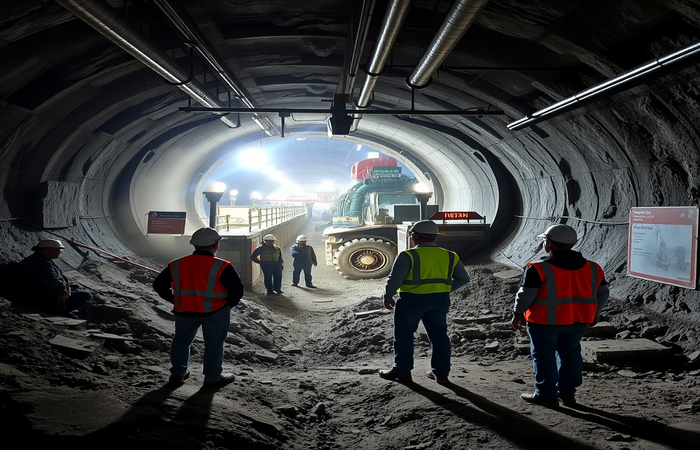
June 3, 2025 8:00 pm
Toronto's Ontario Line gets a boost! Excavation at Queen Station...
March 17, 2018 2:21 am
Algeria's railway modernization takes a giant leap with the Coradia...
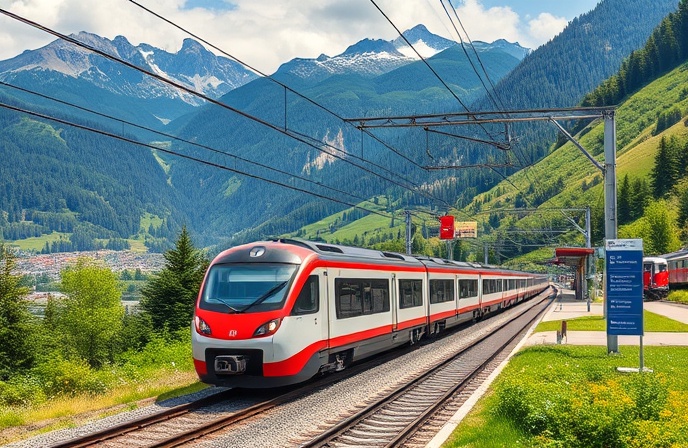
August 7, 2025 10:33 am
ÖBB boosts Austrian rail with ICE 4, Koralmbahn launch. ...
April 18, 2022 7:05 pm
Analysis of the Ghotki Train Collision and Pakistan’s Railway Safety...

September 20, 2010 4:54 pm
The Ghanaian Government has invested $39.5m in a bid to...
August 2, 2022 1:24 am
This article delves into the significant electrical infrastructure upgrade project...