
Bangalore Metro Signaling: Future Trends & Rail Advancements
“Modernizing railway signaling systems is transforming how trains operate, boosting safety and efficiency. Advanced technologies like ERTMS and CBTC are revolutionizing the future of rail. Learn how!”

The Modernization of Railway Signaling Systems: A Deep Dive
Railway signaling systems, the unsung heroes of modern transportation, are undergoing a profound transformation. This evolution, driven by technological advancements and the need for enhanced safety and efficiency, is reshaping how trains operate worldwide. From the earliest semaphore signals to today’s sophisticated, computerized systems, the journey of railway signaling is a testament to human ingenuity. This article will delve into the key aspects of this modernization, exploring the technologies at the forefront, the benefits they offer, the challenges faced, and the future trajectory of this critical infrastructure. We will examine the shift from traditional methods to cutting-edge solutions, analyzing how these changes impact operational performance, passenger safety, and the overall sustainability of rail networks. The aim is to provide a comprehensive overview of the current state and future prospects of railway signaling systems, highlighting their crucial role in the advancement of the railway industry.
Advanced Signaling Technologies
The transition from traditional, mechanically-based signaling to advanced, electronically-controlled systems represents a quantum leap in railway technology. Central to this evolution is the implementation of European Rail Traffic Management System (ERTMS) (a European standard for railway signaling) and Communication-Based Train Control (CBTC) (a railway signaling system that uses radio communication). ERTMS offers a standardized approach to train control across international borders, enhancing interoperability and reducing delays. It encompasses two main levels: ETCS (European Train Control System), which provides in-cab signaling and train protection, and GSM-R (Global System for Mobile Communications – Railway), a dedicated mobile communication system for railway operations. CBTC, commonly used in urban metro systems, allows for automated train operation (ATO) and optimized train headways, significantly increasing line capacity. These systems rely on continuous communication between the train and trackside equipment, providing real-time information about train location, speed, and operational status. This allows for a much more accurate and efficient control of train movements compared to older signaling technologies. Furthermore, these modern systems integrate with other advanced technologies such as Automatic Train Protection (ATP) and interlocking systems to ensure the highest levels of safety.
The Benefits of Modernization
The modernization of railway signaling systems yields a multitude of benefits, significantly impacting operational efficiency, safety, and passenger experience. One of the most significant advantages is increased line capacity. By enabling shorter headways (the time interval between trains), CBTC and ERTMS can dramatically increase the number of trains that can operate on a given track. This is particularly crucial in densely populated urban areas and on high-traffic lines. Another key benefit is enhanced safety. Modern signaling systems incorporate sophisticated safety features such as ATP, which automatically slows down or stops a train if it exceeds the speed limit or violates signal aspects. This reduces the risk of accidents caused by human error. Furthermore, the implementation of these systems allows for improved operational reliability and reduced delays. Real-time monitoring and diagnostics capabilities enable rapid detection and resolution of any issues, minimizing disruptions to train services. Finally, the integration of advanced technologies enables the optimization of energy consumption, contributing to the sustainability of rail transport. The efficient operation of trains and reduced need for physical infrastructure upgrades also lead to significant cost savings over the long term.
Challenges and Considerations
Despite the numerous advantages, the modernization of railway signaling systems presents several challenges. The initial investment costs associated with implementing these advanced technologies can be substantial. Upgrading existing infrastructure requires significant capital expenditure for new equipment, software, and training. Furthermore, ensuring the seamless integration of new systems with legacy infrastructure can be complex, requiring careful planning and execution. Another critical challenge is cybersecurity. As signaling systems become increasingly reliant on digital technologies and connected networks, they become vulnerable to cyberattacks. Robust cybersecurity measures are essential to protect these systems from potential threats. The need for skilled workforce capable of maintaining and operating these sophisticated systems is another crucial aspect. Training programs and ongoing professional development are essential to ensure that railway personnel have the necessary expertise. Finally, the regulatory framework and standardization efforts play a vital role in the successful deployment of advanced signaling systems. Adherence to international standards, such as those defined by ERTMS, is essential for interoperability and the efficient operation of railway networks across borders.
The Future of Railway Signaling
The future of railway signaling points towards even greater integration of digital technologies, automation, and data analytics. The continuous development of advanced signaling systems is driven by the need to enhance the efficiency, safety, and sustainability of rail networks. Key trends include the further expansion of ERTMS and CBTC deployments worldwide, with a focus on seamless integration and interoperability. The use of artificial intelligence (AI) and machine learning (ML) to optimize train movements, predict equipment failures, and improve overall operational performance is expected to become more prevalent. The development of digital twins, virtual replicas of physical infrastructure, will enable railway operators to simulate and analyze system performance, optimizing maintenance schedules and improving decision-making. Furthermore, the integration of advanced communication technologies, such as 5G, will facilitate real-time data transmission and enhance the capabilities of signaling systems. The focus on cybersecurity will remain a priority, with the development of robust security measures to protect against cyber threats. This includes the *Bangalore Metro contract* which aims to bring these state-of-the-art technologies to new regions, thereby increasing the adoption of advanced signaling. The continuous innovation of railway signaling systems will play a critical role in the future of sustainable and efficient transportation.
You might be interested in:
Last October 2018, we published an article about Efacec’s XSafe level crossing protection system winning a major Trafikverket contract. Click here to read – Efacec’s XSafe: Revolutionizing Swedish Rail Safety
In conclusion, the modernization of railway signaling systems is a dynamic and multifaceted process, fundamentally transforming the way trains operate. From the shift to advanced technologies such as ERTMS and CBTC to the integration of AI and data analytics, the rail industry is embracing innovation to enhance safety, increase capacity, and improve operational efficiency. Although the implementation of these systems poses certain challenges, the benefits – increased safety, improved performance, and enhanced sustainability – are substantial. The future of railway signaling promises even greater advancements, with a continued focus on digital integration, automation, and cybersecurity. The *Bangalore Metro contract* is an example of how these advances are being adopted globally. As railway networks worldwide continue to evolve, the modernization of signaling systems will remain a crucial driver of progress, ensuring that rail transport remains a safe, reliable, and efficient mode of transportation for decades to come. The ongoing evolution of these technologies is paving the way for a more connected and efficient railway network, ultimately benefiting both operators and passengers.
RELATED POSTS
May 4, 2019 3:51 am
VR Group's new Stadler diesel-electric locomotives: Boosting efficiency, safety,...

Australia, Australia, Infrastructure, Light Railway Systems, News, Past Railway News, Projects, Urban
December 8, 2015 1:27 pm
22-kilometre route for the Parramatta light rail route in Sydney...
February 16, 2018 10:54 pm
Hong Kong's Kowloon-Canton Railway (KCR) undergoes major technological upgrades, expanding...

June 16, 2025 5:01 pm
Brazil's Transnordestina Railway gets BRL 1 billion boost, expanding to...
June 30, 2017 5:11 am
Here's a voiceover-friendly excerpt:From static boards to real-time data, **Passenger...
September 25, 2011 9:04 pm
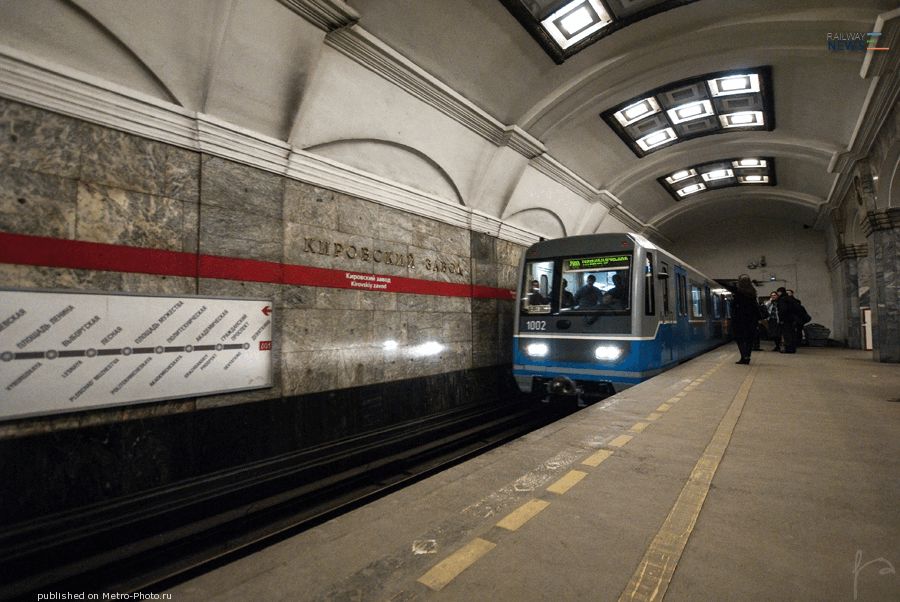
The new generation metropolitan train set of 81-780/781 series, produced...