
Metrolink: Rail Tech Excellence in Southern California – Innovation
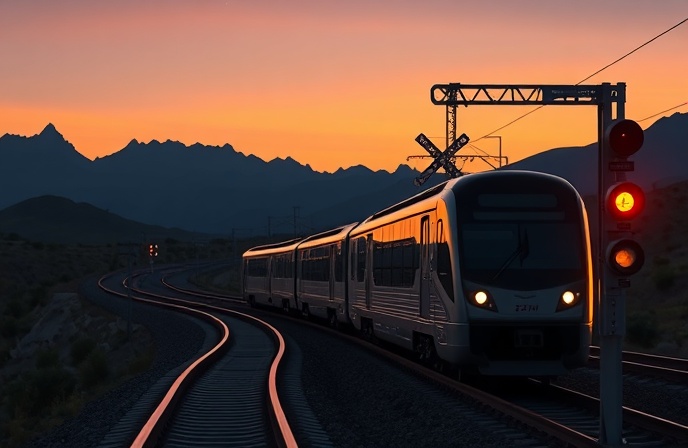
Metrolink’s CEO highlights award-winning **railway** innovations including safety tech and fare restructuring, transforming the agency into a regional **rail** leader in Southern California.
“`html
Introduction
Darren Kettle, CEO of Metrolink, discussed the agency’s transformation and award-winning innovations, including the Student Adventure Pass, Wireless Crossing Nearside Station Stop technology, and Earthquake Early Warning System, in an interview following the 2025 Railway Technology Excellence Awards.
Awards and Vision
The 2025 Railway Technology Excellence Awards recognize Metrolink’s commitment to innovation, safety, and equity. According to CEO Darren Kettle, the awards validate Metrolink’s evolution from a commuter rail system to a regional rail provider. This transformation, referred to as “Metrolink Reimagined,” aims to reshape mobility in Southern California. Key projects highlighted include the Student Adventure Pass, the Wireless Crossing Nearside Station Stop technology, and the Earthquake Early Warning System, all aimed at enhancing safety, reliability, and accessibility. A major fare restructure is also underway to simplify the pricing system and promote equity for riders.
Innovation and Technology
Metrolink’s culture of innovation is driven by a willingness to adapt and challenge traditional industry practices. The agency encourages its teams to explore new ideas in areas such as zero-emission trains, real-time alerts, and safety technology. The Wireless Crossing Nearside Station Stop (WCNSS) technology’s scalability depends on funding. Beyond crossings, AI and digital platforms offer potential for improving the customer journey, including personalized trip planning and self-service modules. Technology also plays a role in managing operations more efficiently and reducing costs.
Earthquake Early Warning System
The integration of USGS ShakeAlert technology into Metrolink’s Earthquake Early Warning system was a significant advancement. In April, a 5.2-magnitude earthquake near Julian, California, triggered the system, causing trains to automatically stop. This event served as a real-world test of the system, demonstrating its effectiveness in ensuring passenger safety. Partnerships with organizations like Caltrans, the USGS, and local entities are crucial for innovation. Metrolink incorporates feedback from riders, including students, through surveys, community meetings, and digital tools to improve service and product offerings.
Future Initiatives and Challenges
The momentum towards zero-emissions trains is a key area of focus for Metrolink. The Zero Emissions Multiple Unit (ZEMU) pilot, launched on the Arrow service in mid-September, represents a significant step in transitioning away from fossil fuels. Open payments and digital tools are also expected to make transit more accessible. Funding and governance remain significant challenges, particularly given that Metrolink serves six counties with multiple partners.
Last June 2025, we published an article about Renfe’s new Aranjuez maintenance hub. Click here to read –
Future of Rail: Renfe’s Railway Technology Hub, Aranjuez: Essential Guide
Future of Rail: Renfe’s Railway Technology Hub, Aranjuez: Essential Guide
Conclusion
Metrolink’s commitment centers on safety, innovation, and community, aiming to make train travel convenient, reliable, and the preferred mode of transportation for Southern Californians.
Company Summary
Metrolink: Operates commuter rail services in Southern California, focused on innovation, safety, and regional mobility.
Technology
Wireless Crossing Nearside Station Stop (WCNSS): Technology designed to enhance safety at railroad crossings.
Zero Emissions Multiple Unit (ZEMU): A pilot program focused on zero-emission trains, launched on the Arrow service.
USGS ShakeAlert: Earthquake Early Warning System technology integrated into Metrolink’s operations.
“`
RELATED POSTS
July 12, 2025 8:33 am
AAR seeks FRA waiver for automated track inspection, aiming for...

November 21, 2017 6:02 am
Rio's new light rail transit system, a successful public-private partnership,...
September 7, 2025 11:00 pm
Czech Republic's high-speed rail network gains speed, with České dráhy's...
December 5, 2017 5:57 pm
Navigating Hyderabad metro's safety approval process reveals crucial design, testing,...
June 8, 2019 10:26 am
The Fehmarnbelt Rail Link: €200 million fuels Danish rail...
August 5, 2025 3:33 pm
Lithuania ramps up Rail Baltica construction with €235M investment, speeding...