
High-Speed Rail’s Viability: Houston, US & Global Trends
High-speed rail: A 21st-century solution for reduced congestion and boosted economies. Discover how!

The Viability of High-Speed Rail in the 21st Century
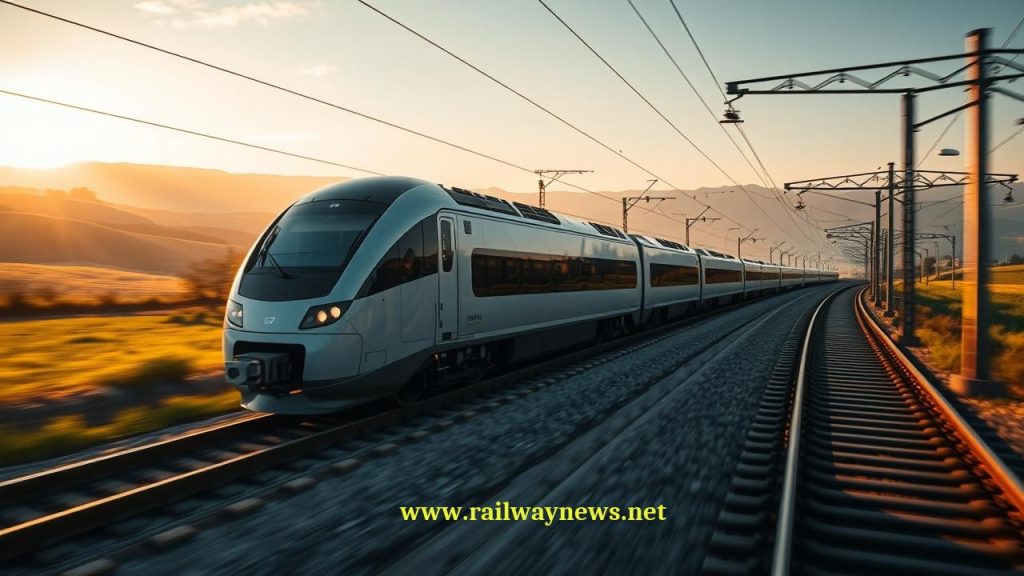
The 21st century presents a unique opportunity for a resurgence of high-speed rail (HSR) as a viable mode of transportation. While its implementation often faces significant hurdles, the potential benefits in terms of reduced congestion, decreased carbon emissions, and enhanced economic development are undeniable. This article will delve into the key aspects of HSR viability, examining its economic feasibility, environmental impact, and societal benefits, highlighting the critical role of infrastructure development and technological advancements in ensuring its success. Specifically, the discussion will examine the complexities of project initiation, financing, and operation, focusing on strategies that can maximize the positive impact of HSR projects while mitigating potential challenges. The potential for HSR to become a cornerstone of urban and regional mobility will be a central theme, drawing specific parallels to the ongoing debates surrounding the implementation of high-speed rail infrastructure in the United States.
Economic Considerations of High-Speed Rail
The economic feasibility of HSR projects is a complex evaluation. While upfront capital costs can be substantial, the long-term economic benefits can be significant. HSR projects can spur economic growth in various ways, such as creating jobs during construction and operation, attracting tourism and new businesses, and enhancing the competitiveness of regional economies. The analysis should encompass not only the direct costs of the project, but also the opportunity costs associated with alternative transportation options. It is critical to consider the potential for private sector involvement in financing and operation through public-private partnerships (PPPs). Predictive modeling, using established economic indicators and transportation impact analyses, is essential to project the return on investment.
Environmental Impact and Sustainability
High-speed rail’s environmental impact is a critical factor in its long-term viability. Compared to other modes of transportation, such as air travel or automobiles, HSR can significantly reduce carbon emissions, contributing to environmental sustainability. However, the environmental impact analysis must consider the entire lifecycle of the project, from material sourcing for construction to ongoing operation. Examining the energy efficiency of HSR vehicles, track construction techniques, and the potential for using renewable energy sources to power operations will be essential in evaluating the environmental sustainability of the project. Consideration must also be given to land use impact, mitigation of potential habitat loss and species relocation strategies.
Infrastructure Development and Technological Advancements
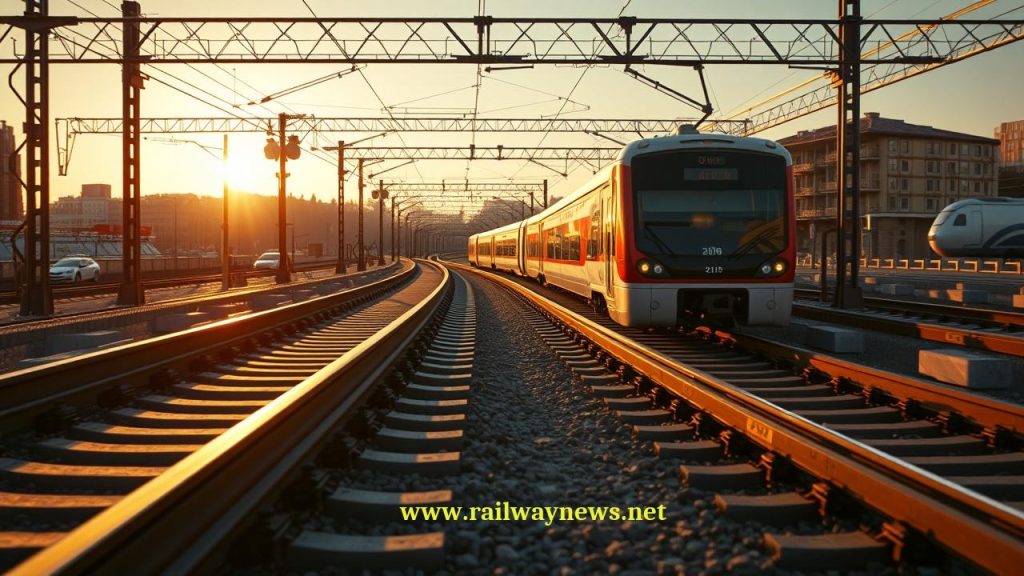
The success of HSR projects heavily depends on robust infrastructure development, including the construction of high-speed railway lines, tunnels, bridges, and related facilities. Advanced technologies play a crucial role in enhancing the efficiency and safety of HSR operations. This chapter will explore the critical infrastructure components. From the design of the track structure and the use of advanced signalling systems to the integration of intelligent transportation systems (ITS), these advancements will be discussed and their importance highlighted. Furthermore, this chapter will cover the development of higher-speed, lower-maintenance trains that can minimize operating costs and maximize efficiency.
Case Studies and Future Trends
Examining case studies of successful HSR projects worldwide, both in established and emerging economies, provides valuable insights into the key factors contributing to success. These studies can highlight lessons learned and best practices in project planning, implementation, and operation. Looking ahead, one must consider emerging trends in sustainable transportation, the integration of HSR with other transportation modes, and the role of innovation and technological advancement in optimizing future designs. A specific case study that would be pertinent is the discussion surrounding the development of a potential Houston high-speed rail system, and the economic and social drivers for such a project. The analysis should consider the potential economic impact and compare it to other modes of transportation.
Conclusions
In conclusion, the viability of high-speed rail in the 21st century rests on a complex interplay of economic factors, environmental considerations, and infrastructural advancements. While initial investment costs can be substantial, the long-term economic benefits, the environmental advantages, and the positive societal impact can be considerable, making HSR a compelling option for fostering sustainable and efficient transportation. The integration of innovative technologies, the creation of robust public-private partnerships, and the implementation of efficient management strategies are crucial for ensuring successful HSR implementation. By learning from existing case studies and fostering a comprehensive understanding of the project lifecycle, the risks and challenges can be mitigated, and the benefits maximized. The success of high-speed rail projects depends not only on the technical and financial feasibility but also on the alignment with regional economic development goals and societal needs. This is exemplified by the discussion regarding the prospect of a high-speed rail network in Houston, which would significantly impact transportation infrastructure and the city’s future.
The development of robust high-speed rail networks represents a significant opportunity for nations to invest in a sustainable future, reduce dependence on air travel, and promote economic growth. Addressing the challenges associated with project initiation, financing, and operational management is crucial for maximizing the potential of HSR while ensuring its long-term sustainability. The future of HSR is inextricably linked to the advancement of technology and the adoption of innovative practices, allowing for greater efficiency and safety within the rail network. The specific case of Houston high-speed rail serves as an example of this multifaceted approach to transportation planning and implementation.
You might be interested in:
Last December 2018, we published an article about Germany’s AVG expanding its tram fleet. Click here to read – Germany’s AVG Expands: 20 New Bombardier FLEXITY Trams
RELATED POSTS
March 5, 2026 7:57 pm
Banedanmark launched battery train operations on Denmark's 67 km Skjern–Holstebro...
March 4, 2026 10:12 am
Amtrak and Siemens deploy 8 Airo trains for the U.S....
March 4, 2026 2:06 pm
Alstom commissioned 76 Flexity LRVs and CBTC signaling for Toronto,...
Ukraliznytsia launched its first dual-gauge semi-trailer intermodal service, linking Ukraine's...
March 5, 2026 1:38 pm
Wabtec finalized its acquisition of Sweden's Dellner Couplers on February...
March 9, 2026 5:45 pm
ÖBB and Wiener Linien launch Vienna S-Bahn 13 km main...