
Optimizing Global Rail Infrastructure: Lund-Arlöv & Future Trends
Unlocking railway project success: Learn how comprehensive planning, funding, and technology integration are key to optimizing your infrastructure projects. Discover how!

Optimizing Railway Infrastructure: Lessons from Recent Projects
This article delves into the critical factors influencing the success of modern railway projects, drawing upon recent case studies. We examine the complexities of infrastructure development, exploring crucial elements such as planning, financing, and community engagement. The overarching theme is how to maximize efficiency, minimize disruption, and ensure projects align with both technical specifications and societal needs. The analysis considers recent developments in railway technology and explores how innovative approaches are reshaping the landscape of railway infrastructure. From the perspective of an experienced railway expert, the text aims to offer valuable insights to stakeholders involved in project planning, implementation, and evaluation.
The Imperative of Comprehensive Planning
Effective railway infrastructure necessitates rigorous and comprehensive planning. This involves a detailed assessment of the project’s environmental impact, stakeholder engagement, and potential disruptions to existing operations. Detailed cost-benefit analyses are paramount, considering not only initial investment but also long-term operational costs, maintenance requirements, and potential revenue generation. Early stakeholder engagement, including local communities, businesses, and regulatory bodies, is crucial for mitigating potential conflicts and fostering public support. Furthermore, meticulous project scheduling, taking into account potential delays and unforeseen circumstances, is essential for on-time and within-budget delivery.
Financial Sustainability and Risk Management
Securing adequate funding and managing risks are fundamental to the viability of any railway project. Different funding models, including public-private partnerships (PPPs), government grants, and private investment, require careful evaluation to ensure the project remains financially sustainable throughout its lifecycle. Risk assessment should encompass various factors, such as construction delays, material cost fluctuations, and unforeseen regulatory changes. Robust contingency plans are vital to mitigate these risks. Implementing thorough due diligence and financial modeling throughout the project lifecycle is essential to forecast potential financial bottlenecks and ensure a stable financial footing. This includes careful evaluation of anticipated ridership patterns, operating costs, and possible future expansions.
Technological Integration and Operational Efficiency
Modern railway infrastructure must embrace advanced technologies to enhance safety, efficiency, and passenger experience. This includes implementing real-time monitoring systems, utilizing advanced signalling technologies, and employing data analytics to optimize operational efficiency. Improved communication systems are crucial for seamless coordination between various stakeholders, including train operators, maintenance crews, and dispatch centres. Integrating innovative technologies such as automated train control systems (ATCS) can significantly reduce human error and improve safety. Moreover, exploring sustainable technologies, like electric traction and renewable energy sources, is crucial for minimizing environmental impact and maintaining long-term sustainability.
The OHL Lund-Arlöv railway project as a case study
The OHL Lund-Arlöv railway project presents a compelling case study for understanding the complexities of modern railway infrastructure. This project exemplifies the challenges inherent in balancing community concerns with the need for efficient and sustainable transportation systems. The careful consideration of environmental impact, local resistance, and logistical complexities underscores the importance of a robust planning process. Moreover, this project highlights the necessity of incorporating community feedback and engaging with local stakeholders throughout the development process. Its analysis provides valuable lessons about the intricacies of navigating societal challenges while maintaining technological innovation and financial prudence.
Conclusion
Successful railway infrastructure projects demand a multifaceted approach. Comprehensive planning, encompassing environmental impact assessments and stakeholder engagement, lays the groundwork for success. Sound financial strategies, incorporating risk management and diverse funding sources, are crucial for long-term sustainability. Embracing innovative technologies for operational efficiency, safety, and passenger experience is critical. Finally, incorporating real-world case studies, such as the OHL Lund-Arlöv railway project, allows for a deeper understanding of the nuanced considerations required for successful implementation. By adhering to these principles, projects can achieve enhanced efficiency, reduced disruptions, and greater public acceptance. Only by meticulously considering each of these factors – planning, financing, technology, and community engagement – can we build railway systems that meet both present needs and future demands. The development of future railway infrastructure must be informed by a deep understanding of the societal impact of these projects. We must be mindful of the importance of transparent and participatory processes, involving stakeholders from the initial planning stages to the final evaluation of the project.
You might be interested in:
Last December 2018, we published an article about the Parramatta Light Rail, a $2.4 billion project showcasing innovative wire-free technology and community engagement. Click here to read – Parramatta Light Rail: A $2.4B Transformation
RELATED POSTS
May 30, 2017 3:21 am
Melbourne's public transport is getting a boost! The first of...
June 3, 2025 4:01 pm
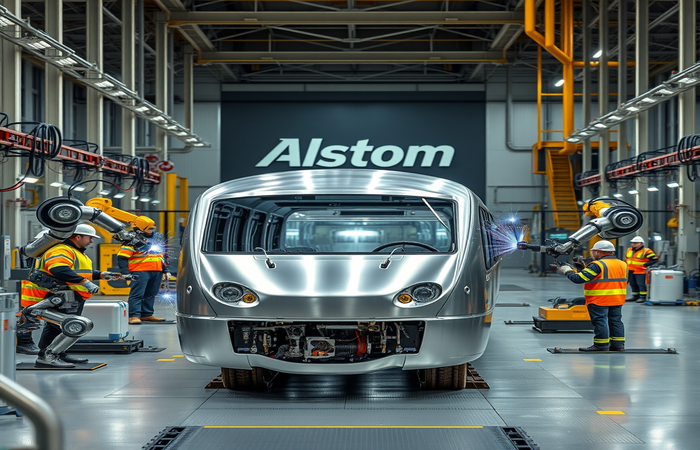
Alstom's new Hornell, New York plant is revolutionizing domestic passenger...
June 28, 2018 5:33 am
Florida's high-speed rail project seeks private investment, a bold move...
September 9, 2010 4:57 am
São Paulo's metro system expands with innovative technology, including driverless...
June 16, 2020 5:33 am
This article explores the significant advancements in passenger rail technology...
March 12, 2014 11:44 am
Germany's Deutsche Bahn unveils the new Siemens Velaro D high-speed...