
Thameslink 319 Retirement: UK Rail’s Future, Driven by Tech
Revolutionizing rail: Tech advancements and asset management are boosting safety and efficiency. Discover how!

The Impact of Technological Advancements and Asset Management on Rail Systems
The railway industry is undergoing a period of significant transformation, driven by technological advancements and evolving asset management strategies. This article delves into the interplay of these factors, exploring how they influence operational efficiency, safety, and the overall sustainability of rail networks. From the automation of track maintenance to the integration of advanced signalling systems, the railway landscape is rapidly changing. This evolution necessitates a careful balancing act between embracing innovation and safeguarding the established infrastructure and expertise that underpin the reliability and safety of modern rail systems. We will examine the key challenges and opportunities presented by these trends, ultimately assessing their impact on the future of passenger and freight transport. This article will also examine the factors behind the recent news regarding the Thameslink Class 319 train retirement, demonstrating the dynamic nature of the industry.
Technological Integration in Rail Operations
Technological advancements are fundamentally reshaping rail operations. From sophisticated train control systems that optimize speed and scheduling to real-time monitoring of infrastructure, technology is improving efficiency and reducing operational costs. Consider the integration of GPS-based tracking, allowing for precise location data, and the use of AI for predictive maintenance and anomaly detection in rolling stock. The use of digital twins for modeling railway lines permits virtual simulations and identification of potential bottlenecks before they occur, dramatically improving response times to various potential issues. These advancements not only enhance efficiency but also contribute to safety by allowing for the early identification of maintenance needs, proactive responses to faults, and more robust safety protocols. The adoption of these new technologies, combined with modern signaling methods, reduces risks and ensures the safe and timely transit of passengers and cargo.
Modern Asset Management Strategies for Rail Infrastructure
Effective asset management is crucial to the long-term viability of rail networks. This involves a comprehensive approach that goes beyond simply maintaining existing assets. It requires understanding the complete life cycle of each component, from initial installation to eventual replacement, thereby optimizing maintenance scheduling and allocation of resources. Employing advanced analytics, predictive modeling, and intelligent sensors for monitoring, allows for proactive asset management. This approach prioritizes preventative maintenance, reducing unexpected disruptions and maximizing the lifespan of critical infrastructure. The efficient management of rail assets is directly tied to the safety and reliability of the entire network, thereby making a tangible difference to the overall passenger and freight transport system.
The Future of Rail: Embracing Innovation and Sustainability
The future of rail systems hinges on a harmonious blend of technology and sustainable practices. Integrating renewable energy sources into the power supply for trains, implementing innovative track design with lightweight materials, and using less energy-intensive traction systems are all part of this vision. This also includes the development of more environmentally friendly and fuel-efficient rolling stock. The use of data-driven approaches allows for dynamic optimization of service frequency, leading to a more efficient and cost-effective use of resources. The integration of data analytics is also invaluable for predicting future demand and optimizing capacity allocation. This forward-thinking approach is crucial in adapting to future passenger and freight needs while promoting sustainable practices and addressing climate change considerations.
The Thameslink Class 319 Train Retirement: A Case Study in Transition
The retirement of the Thameslink Class 319 trains represents a significant shift in the UK rail industry. This decision highlights the ongoing need to adapt to changing technological demands and operational requirements. The introduction of newer, more efficient, and environmentally friendly rolling stock exemplifies a necessary response to the evolving demands on the railway network. This transition underscores the importance of strategic planning, asset management, and the adoption of technological advancements in the railway sector. The replacement of these older trains allows for a more sustainable and efficient future for Thameslink commuters.
You might be interested in:
Last January 2019, we covered a huge upgrade to Washington Union Station’s Claytor Concourse. Click here to read – Amtrak’s Union Station: Claytor Concourse Upgrade
Conclusions
The railway industry is undergoing a period of rapid transformation. The combination of advanced technologies and refined asset management strategies is fundamentally altering operational efficiency, safety, and sustainability. The seamless integration of digital technologies allows for real-time tracking of assets, optimizing maintenance schedules and enhancing predictive capabilities to proactively address potential issues. This proactive approach reduces operational disruptions and maximizes the lifespan of critical infrastructure components. The strategic approach to asset management allows for the responsible and economical maintenance of critical assets, allowing for long-term planning for infrastructure and equipment replacement. The transition towards a more technologically advanced and environmentally conscious future is evident, as highlighted by the Thameslink Class 319 train retirement. This case study underscores the industry’s need to adapt to changing technological advancements, and emphasizes the crucial role of strategic planning, asset management, and operational efficiency in shaping the future of rail networks. Ultimately, these advancements are leading to improved passenger experience, higher safety standards, and reduced environmental impact. The future of rail transportation promises to be both innovative and sustainable, providing a vital mode of transport for decades to come.
RELATED POSTS
May 14, 2021 3:44 pm
This article examines the significant upgrade of the Kouvola-Kotka-Hamina railway...
May 16, 2003 8:34 am
Ferronorte railway's expansion boosts Brazil's agricultural exports. ALL's investments...
June 16, 2018 10:56 pm
Railway innovation is accelerating! From smart trams to high-speed...
July 16, 2025 10:33 pm
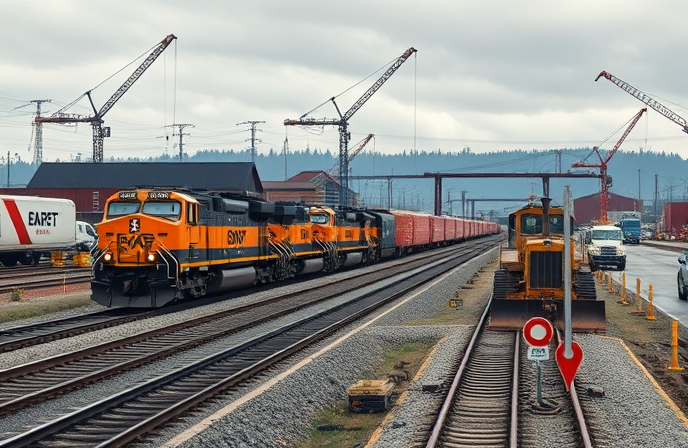
US DOT awards $3M in railway infrastructure grants, boosting rail...
August 2, 2015 1:47 pm
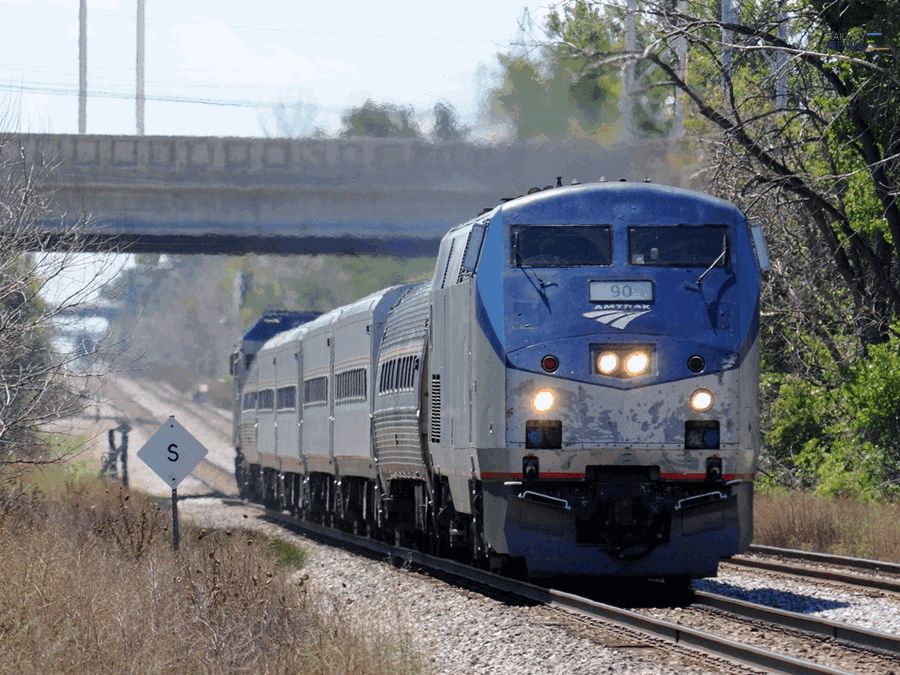
Amtrak has released feasibility of an additional daily passenger works.

March 10, 2017 6:26 pm
The new high speed train Velaro TR, operated by TCDD...