
Thales LRT Contract: Urban Rail Innovations & Future Trends
Thales LRT contract: Revolutionizing urban rail with cutting-edge digital technology. Discover how!

The Future of Urban Rail: Innovations, Challenges, and the Thales LRT Contract
The global shift towards sustainable and efficient urban transportation solutions is driving significant innovation in the rail sector. Modern light rail transit (LRT) systems are increasingly sophisticated, integrating cutting-edge technologies to enhance passenger experience, operational efficiency, and safety. This article delves into the key advancements shaping the future of urban rail, examining the technical innovations, the challenges faced by operators, and the significance of strategic contracts like the recent Thales LRT contract. The increasing demand for reliable, comfortable, and environmentally friendly public transit necessitates continuous improvement in existing systems and the development of innovative approaches to meet the diverse needs of urban populations.
The Rise of Digitalization in Urban Rail
Digitalization is transforming every aspect of urban rail operations. Real-time passenger information systems, integrating GPS technology, provide precise and up-to-the-second updates on train locations and schedules. Advanced signaling systems, such as CBTC (Communication-Based Train Control), enable higher train frequencies and reduced journey times while significantly enhancing safety through automated train operations. These systems, coupled with predictive maintenance algorithms analyzing sensor data from rolling stock, enable proactive maintenance strategies, minimizing downtime and maximizing operational efficiency. The integration of these technologies creates a smart railway system capable of adapting to fluctuating passenger demand and ensuring seamless travel.
Infrastructure Optimization and Sustainability
Modernizing existing rail infrastructure is critical for improving performance. Implementing dedicated bus lanes, integrated ticketing systems, and intelligent traffic management strategies can minimize congestion and optimize passenger flow. Emphasis is also being placed on sustainability. The development of energy-efficient train designs, incorporating advanced materials and regenerative braking systems, helps reduce energy consumption and lower environmental impact. Electric power distribution and charging infrastructure is becoming increasingly crucial, alongside the exploration of alternative energy sources, further highlighting the commitment to environmentally conscious urban transportation.
The Impact of Strategic Partnerships and Contracts: A Case Study of the Thales LRT Contract
Strategic partnerships and significant contracts play a pivotal role in driving innovation and modernization within the rail sector. The Thales LRT contract signifies a key development, showcasing a commitment to technological advancement. Thales, a globally recognized provider of cutting-edge rail technology, is likely providing advanced signaling, communication, and possibly even train control systems, reflecting the increasing integration of sophisticated digital components within urban rail systems. These partnerships are vital for the implementation of comprehensive modernization strategies, ensuring a seamless transition to the future of urban mobility. Such partnerships, and specific contracts like the Thales LRT contract, also facilitate the transfer of knowledge and expertise, leading to the development of more efficient and sustainable operations.
Conclusions: Shaping the Future of Urban Mobility
The future of urban rail is characterized by a convergence of technological advancements, operational efficiencies, and a growing emphasis on sustainability. Digitalization, exemplified by real-time information systems and advanced signaling, is revolutionizing operations, improving passenger experience, and enhancing safety. Concurrent infrastructure optimization, focusing on both passenger flow and environmental impact, is crucial. Partnerships such as the recent Thales LRT contract are driving the implementation of modern technologies and processes. This continuous effort is crucial for the creation of seamless, reliable, and environmentally conscious urban transportation systems.
The successful implementation of these technologies and strategic partnerships hinges on collaboration between stakeholders—manufacturers, operators, and regulatory bodies. Open communication channels, transparent regulations, and efficient project management are essential for overcoming challenges and ensuring the timely and effective integration of these advanced technologies. By fostering a supportive environment for innovation and collaboration, urban rail systems can evolve into truly intelligent, sustainable, and user-friendly transportation networks. The future of urban mobility will depend on our collective ability to embrace and implement these advancements, optimizing existing infrastructure, and leveraging innovative partnerships to create the ideal urban transport systems for the coming decades. The Thales LRT contract represents a major step in this direction.
You might be interested in:
Last January 2019, we covered railway innovation, major acquisitions, contracts, and tech advancements. Click here to read – Railway Industry: Acquisitions, Contracts & Tech Advancements
RELATED POSTS
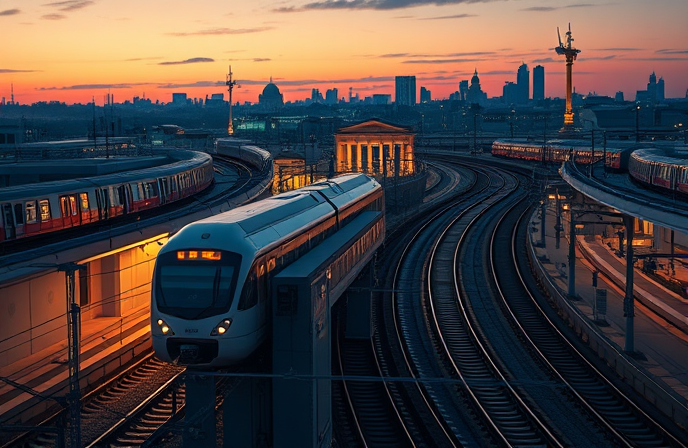
June 23, 2025 10:33 am
Berlin's U-Bahn gets new trains, entering testing. Modernized trains...
February 7, 2021 4:31 am
This article examines Bombardier Transportation’s significant investment in its Bruges,...

August 19, 2015 6:02 pm
Taking the train from Kuala Lumpur to the north of...
October 1, 2018 8:58 pm
Revolutionize your rail network with Alstom's Coradia iLint hydrogen trains!...
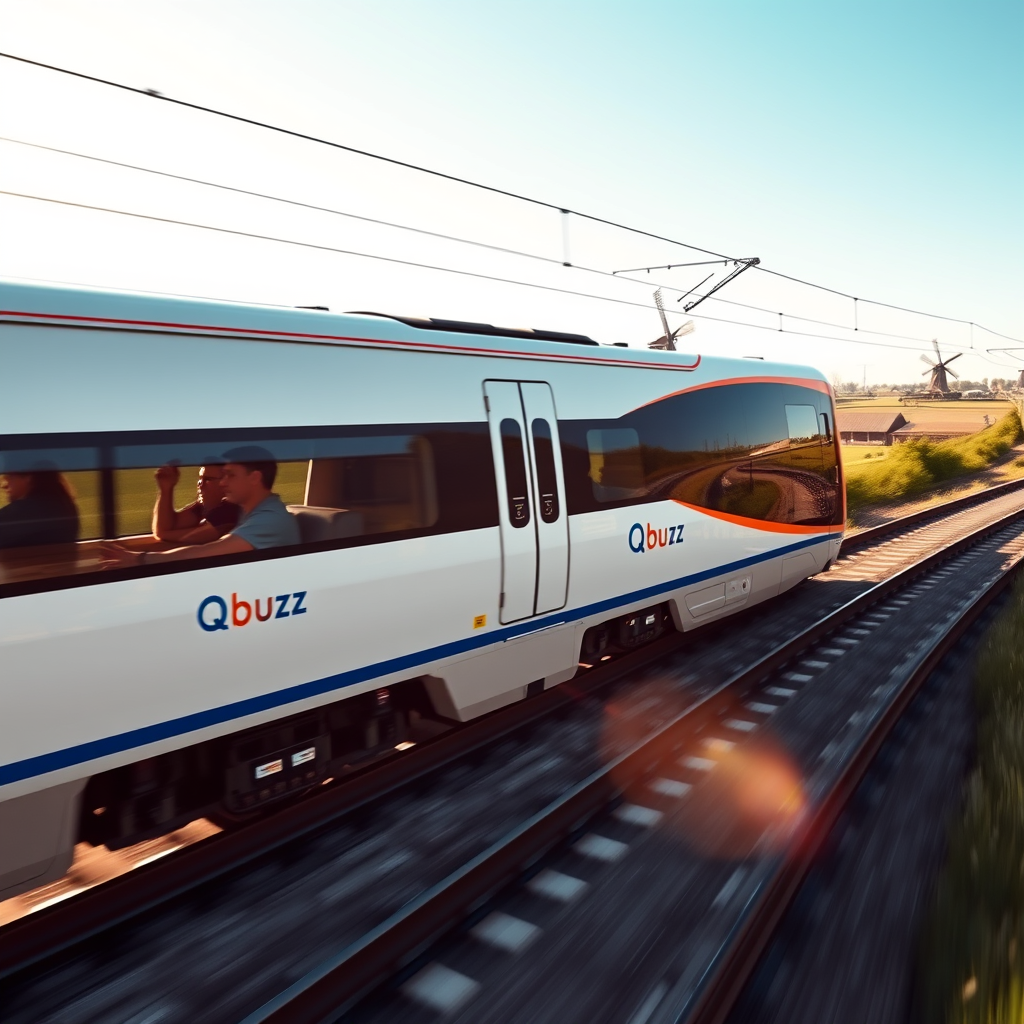
April 17, 2025 8:09 pm
Modernizing Regional Rail: CAF Civity Trains for Qbuzz in the...
January 30, 2015 10:17 am
Uzbekistan 2020 will invest about $ 10 billion on the...