
Trans-Australian Rail: Optimizing Freight Network Resilience
Optimize freight rail networks for efficiency and resilience. Embrace innovative technologies and strategic partnerships to thrive in the future of freight rail. Discover how!

The Future of Freight Rail: Optimizing Network Efficiency and Resilience
The global freight rail industry is at a critical juncture, facing increasing pressure to enhance efficiency, sustainability, and resilience. This article delves into the key challenges and opportunities shaping the future of freight rail networks, exploring innovative technologies, strategic partnerships, and policy frameworks crucial for maintaining competitiveness and adapting to evolving market demands. From optimizing operational processes and embracing digitalization to fostering collaboration and enacting supportive policies, this analysis aims to provide valuable insights into the factors driving the transformation of freight rail networks and identify strategies for their sustainable future.
The Imperative for Efficiency and Sustainability in Freight Rail
Freight rail networks face mounting pressure to optimize efficiency and embrace sustainability. Increased competition from other transport modes, rising fuel costs, and growing environmental concerns are pushing railroads to explore new approaches to streamline operations and minimize their environmental footprint. This requires a comprehensive analysis of current processes and a strategic adaptation to incorporating innovative technologies and sustainable practices. Improved scheduling and routing algorithms, enhanced signaling systems, and the strategic use of advanced analytics are crucial for enhancing operational efficiency and mitigating delays. Furthermore, adopting sustainable practices, such as the implementation of alternative fuels, the optimization of energy consumption, and the use of advanced materials in infrastructure projects, are necessary for minimizing the environmental impact of freight rail operations.
Technological Advancements and Digitalization in Freight Rail
The application of advanced technologies, such as artificial intelligence (AI) and machine learning (ML), plays a critical role in optimizing freight rail operations. AI algorithms can analyze vast amounts of data to predict potential disruptions, optimize train scheduling, and enhance resource allocation. Real-time tracking of cargo and trains, powered by digital platforms and communication systems, enables better visibility and allows for efficient management of freight flows. Furthermore, the integration of IoT sensors and interconnected systems throughout the rail network provides crucial data to optimize maintenance schedules, predict equipment failures, and minimize downtime. Automation of routine tasks further enhances efficiency and minimizes labor costs.
Strategic Partnerships and Infrastructure Development
Successful freight rail networks hinge on strategic partnerships and robust infrastructure. Collaboration between freight rail operators, governments, and logistics providers is essential for streamlined freight movement and efficient supply chains. Joint ventures and consortia can facilitate the sharing of resources, expertise, and best practices, fostering innovation and resilience. Investing in infrastructure improvements, such as upgrading track capacity, signal systems, and terminal facilities, is essential for improving operational efficiency and reducing congestion. These investments must also consider future needs, such as the incorporation of high-speed freight lines to enable faster and more efficient cargo movement on key corridors. Consideration should also be given to integrating different modes of transportation (road, sea, and rail) to create seamless intermodal transport networks.
The Trans-Australian Railway’s Role in Regional Growth and Development
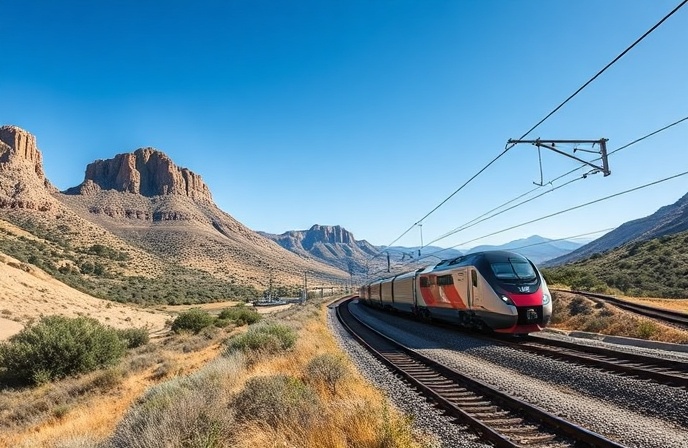
The Trans-Australian Railway, as a prominent example, highlights the vital role of freight rail in promoting regional development and supporting domestic trade. The infrastructure, once considered a vital asset, has faced criticism for its current state and lack of investment. Addressing these issues will unlock the potential of the transcontinental network and connect remote communities to the national and global marketplace. Strategies focusing on revitalizing this strategic rail corridor are crucial for optimizing the transport of essential goods and services throughout Australia, fostering economic growth, and connecting communities across vast distances. This demonstrates that a robust freight rail network isn’t merely about moving goods but also about fostering regional development and facilitating access to markets.
You might be interested in:
Last March 2019, we published an article about Alstom’s Urbalis 400 CBTC system revolutionizing Mumbai and Pune’s metros. Click here to read – Alstom’s Urbalis 400: Mumbai & Pune Metro Leap
Conclusion: Shaping a Resilient and Sustainable Freight Rail Future
The future of freight rail hinges on a multifaceted approach encompassing technological advancements, strategic partnerships, and supportive policies. The integration of digital technologies, such as AI and IoT, promises to optimize operations, enhance safety, and minimize disruptions. Robust infrastructure development, including track upgrades and terminal improvements, is essential to enhance efficiency and capacity. Moreover, fostering collaborative relationships between rail operators, government agencies, and logistics providers is critical for creating seamless and efficient supply chains. The increasing significance of sustainable practices, such as exploring alternative fuels and optimizing energy consumption, underscores the industry’s commitment to minimizing its environmental impact. The Trans-Australian Railway provides a pertinent example illustrating the multifaceted importance of well-maintained freight rail infrastructure in fostering regional growth and economic prosperity. By prioritizing these crucial elements, freight rail networks can navigate the challenges of the future and emerge as a vital and sustainable part of the global transportation landscape. Ultimately, the success of freight rail hinges on its capacity to adapt to the changing demands of the market, embrace technological innovation, and remain committed to sustainable practices. Only by acknowledging the interconnectedness of operational efficiency, technological advancement, strategic collaboration, and sustainable principles can we truly unlock the potential of freight rail to drive economic growth, reduce environmental impacts, and create a more resilient and interconnected future. This will be vital for the freight transportation sector’s ability to compete in the future and continue to play an essential role in the supply chain.
RELATED POSTS
June 22, 2018 4:42 am
Upgrade your rail network with Vivarail's Class 230 D-Trains. ...
September 9, 2020 10:08 am
Introduction The tragic Stonehaven derailment in Scotland, resulting in three...
November 12, 2022 6:46 am
This article explores the strategic partnership between Jaheziya, a UAE-based...

U.S. **rail traffic** experienced a 3.8% decline in the week...
November 14, 2025 11:54 am
Expert no comment.
August 27, 2016 6:33 am
Here's a voiceover-friendly excerpt:"The Port of Dover is building a...