
Amsterdam: New LRVs Drive Sustainable Rail & Passenger Experience
Amsterdam invests €391M to modernize its light rail fleet, upgrading its tram network with 78 new LRVs. Project aims for improved accessibility and sustainability.
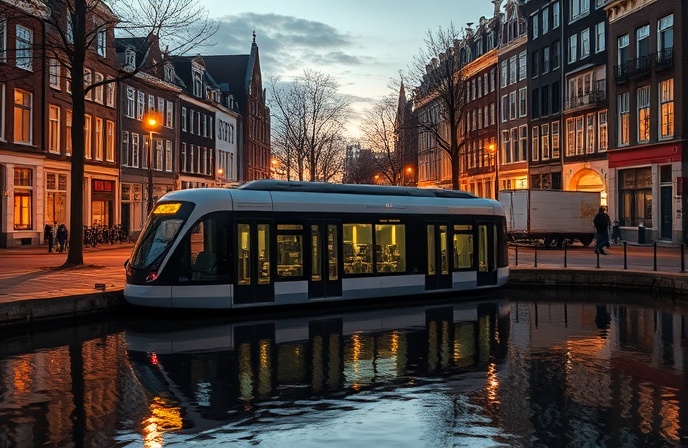
Amsterdam to Modernize Light Rail Fleet with €391 Million Investment
Amsterdam’s iconic tram network is set for a significant upgrade, with the Vervoerregio Amsterdam (the Amsterdam Transport Authority) issuing a tender for up to 78 new low-floor light rail vehicles (LRVs). This move, announced recently, marks a crucial step in modernizing the city’s public transport infrastructure and replacing aging rolling stock. The total budget allocated for this ambitious project, encompassing the LRVs themselves, spare parts, implementation costs, project risk mitigation, and depot/maintenance facility modifications, is a substantial €391 million. This article will delve into the specifics of the tender, its objectives, the timeline, and the strategic implications for Amsterdam’s urban mobility landscape. The initiative, spearheaded by the GVB (Gemeentelijk Vervoerbedrijf), the city’s transport operator, is designed to ensure a reliable and sustainable tram service for decades to come, addressing passenger comfort, accessibility, and environmental impact.
The Tender Process: A Detailed Examination
The tender process, initiated by the Vervoerregio Amsterdam, is expected to be completed within approximately eighteen months. GVB, the operational arm of the project, will oversee the evaluation of bids, with the contract award slated for the first half of 2027. This timeframe reflects the complexity of the procurement process, which involves stringent technical specifications and financial evaluations. The successful bidder will be tasked with delivering 30-meter-long low-floor LRVs, optimized for operation within the city centre’s often-constrained urban environment. These vehicles are designed with a projected operational lifespan of around 30 years, underscoring the long-term commitment to sustainable urban transport. The procurement process stems from the “Tram Fleet Strategy” adopted by the transport authority’s executive board at the end of 2022, and the exploration of this new tram order was started as early as 2023.
Prioritizing Passenger Experience and Accessibility
The new LRVs will prioritize enhanced passenger experience and accessibility features. This focus aligns with the broader urban planning goals of Amsterdam, which aim to create a more inclusive and user-friendly transport network. The low-floor design is a key component, significantly improving accessibility for passengers with reduced mobility, families with strollers, and cyclists. Furthermore, the new vehicles are expected to incorporate advanced comfort features for both passengers and drivers. This includes improved climate control, ergonomic seating, and advanced driver assistance systems. Gerard Slegers, a member of the executive board of the Amsterdam Transport Authority, emphasized these aspects, stating that the authority is “aiming for comfortable vehicles for both passengers and drivers” and placing “extra emphasis on the accessibility, safety, and sustainability of the vehicles.”
Sustainability as a Core Requirement
Sustainability is a core tenet of this project. The new LRVs will be designed with energy efficiency in mind, contributing to the city’s broader environmental goals. The procurement process will likely emphasize the use of lightweight materials, regenerative braking systems, and advanced traction technologies to minimize energy consumption and reduce emissions. Moreover, the design of the new LRVs will likely incorporate features to extend their operational lifespan, such as corrosion-resistant materials and modular designs for easier maintenance and component replacement. This commitment to sustainability extends beyond the vehicles themselves, with considerations given to the environmental impact of manufacturing, maintenance, and disposal processes.
Infrastructure Adaptation and Future Integration
The introduction of new LRVs necessitates modifications to existing infrastructure, including depots, maintenance facilities, and potentially track upgrades. The €391 million budget incorporates these infrastructural adjustments to ensure seamless integration of the new fleet with the existing tram network. Detailed planning is underway to determine the optimal placement of maintenance facilities and spare parts management systems to maximize operational efficiency. Furthermore, the design of the new LRVs must conform to the existing track gauge and signaling systems. This project is also forward-looking, with the potential to incorporate future technological advancements, such as automated train operation (ATO) systems and integrated real-time passenger information displays. The new vehicles are scheduled to enter service around 2032.
Conclusion
The Amsterdam Transport Authority’s decision to procure up to 78 new LRVs represents a significant investment in the future of the city’s public transport system. By prioritizing passenger comfort, accessibility, sustainability, and operational efficiency, this project reflects a proactive approach to urban mobility planning. The tender process, although extensive, underscores the commitment to selecting the best possible solution for the city’s needs. The deployment of these new LRVs will not only modernize the tram fleet but also enhance the overall passenger experience. The initiative is expected to have a positive impact on Amsterdam’s reputation as a world-class city with an efficient and environmentally conscious transport system. The long-term implications include reduced operational costs, improved reliability, and a more sustainable transport solution. This proactive strategy by Amsterdam also sets a benchmark for other urban centers facing similar challenges in replacing aging rolling stock and investing in a more sustainable future.
RELATED POSTS

September 10, 2012 1:34 pm
Hitachi has opened a European rail research centre (ERCC) to...

January 27, 2023 6:31 pm
The Acquisition of Operail’s Finnish Rail Freight Operations by Nurminen...
September 18, 2025 11:55 pm
“`html Introduction Washington State regulators have approved $25,000 in funding...
July 28, 2017 4:02 am
Here are a few voiceover-friendly excerpts for railway professionals, focusing...

September 19, 2025 3:55 pm
Alstom's Widnes modernization facility welcomed its first passenger train, showcasing...
December 6, 2021 10:13 pm
This article examines the significant contract awarded to Siemens Mobility...